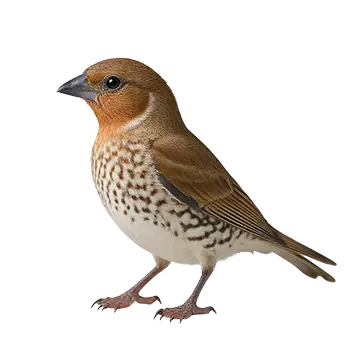

Spice Finches are small, quiet birds that mask illness and discomfort instinctively, a survival strategy inherited from wild ancestors for whom any visible sign of weakness attracted predators. This stoic nature means that problems in their environment or health often progress silently until they reach a critical stage that is difficult or impossible to reverse. Technology cannot replace attentive daily observation, but it provides a second layer of monitoring that catches what the human eye and schedule cannot, particularly during overnight hours, periods of absence, and the gradual environmental shifts that develop too slowly for casual observation to detect.
The core technologies relevant to Spice Finch keeping fall into several functional categories: environmental monitoring and control, specialized lighting, air quality management, visual observation systems, and smart automation. Not every keeper needs every category, and the appropriate level of technology depends on the housing setup, climate, flock size, and the keeper's comfort with manual management. A pair of Spice Finches in a standard indoor cage in a climate-controlled home needs far less technological support than a breeding colony in an outdoor aviary subject to seasonal weather variation.
The tropical origin of Spice Finches makes environmental consistency particularly important. These birds evolved in equatorial and subtropical habitats where temperature, humidity, and photoperiod vary within relatively narrow ranges throughout the year. Captive environments in temperate climates impose seasonal extremes that can stress the birds' thermoregulatory and hormonal systems. Technology that smooths these extremes and provides conditions closer to the species' evolutionary baseline delivers measurable health benefits in terms of plumage quality, breeding success, disease resistance, and behavioral normalcy.
Cost is a legitimate consideration when evaluating technology for finch care. The birds themselves are modestly priced, and spending hundreds of dollars on monitoring equipment for a twenty-dollar finch may seem disproportionate. However, the calculation changes when viewed in terms of the value of the birds' welfare and the replacement cost of veterinary care for problems that technology could have prevented. A forty-dollar digital thermometer-hygrometer that alerts the keeper to a dangerous temperature drop costs a fraction of an emergency avian veterinary visit for a hypothermic bird.