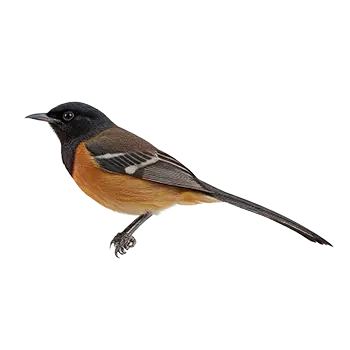

The Shama Thrush presents monitoring challenges that differ from those of larger, more interactive cage birds. Parrots announce discomfort through vocalizations, plucking, and behavioral changes that are hard to miss during routine handling. The Shama, by contrast, is a more self-contained species that often masks early signs of illness, environmental stress, or behavioral decline until the problem is advanced. Technology fills this observational gap by providing continuous, objective data that the keeper can review and act upon before subtle issues become serious ones.
Environmental monitoring is particularly critical for the Shama because the species originates from tropical and subtropical forests where temperature, humidity, and light levels remain within narrow ranges year-round. Captive environments in temperate climates fluctuate far more widely, especially during seasonal transitions, and the cumulative effect of suboptimal conditions may not manifest immediately but erodes the bird's health over weeks and months. Sensors that track temperature, humidity, and light intensity throughout the day and night reveal patterns that single-point readings during daily care routines would miss entirely.
Behavioral monitoring through camera systems allows the keeper to observe the bird during periods when human presence would alter its behavior. Male Shamas often suppress territorial singing and display behavior when the keeper is nearby, especially during the acclimation period, but perform freely when alone. Nighttime monitoring reveals sleep quality, roosting position, and any episodes of night fright or disturbance. Reviewing recorded footage over days and weeks creates a behavioral baseline against which changes can be detected early, providing an alert system that relies on the keeper's growing familiarity with their specific bird rather than on generic thresholds.
The integration of monitoring technology into Shama care should enhance rather than replace direct observation and hands-on husbandry. Technology provides data, but interpreting that data requires the keeper's knowledge of the species, familiarity with the individual bird, and judgment about when an observed change warrants concern versus when it falls within normal variation. The most effective approach combines reliable technology with attentive, informed caregiving.