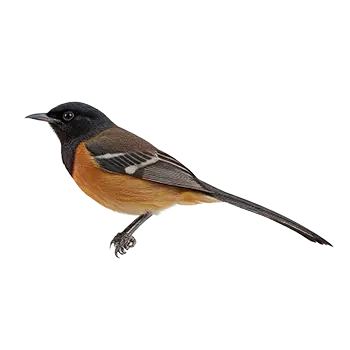

Nutritional Needs

The Shama Thrush is a true insectivore-frugivore, and its nutritional requirements differ fundamentally from those of seed-eating or granivorous cage birds. In the wild, the White-rumped Shama hunts actively through the forest understory, capturing beetles, caterpillars, crickets, ants, and other invertebrates that form the protein-dense core of its diet. Fruit and berries supplement the insect intake, providing sugars, moisture, and a range of micronutrients. Any captive feeding program must replicate this balance between animal protein and plant-based nutrition, because the Shama's digestive system is simply not equipped to process grains or seeds as primary food sources.

Protein demands are high relative to the bird's body size. Breeding pairs and molting adults require even more protein than maintenance-phase birds, because feather production and egg formation both draw heavily on amino acid reserves. The Shama's famously complex and powerful song also correlates with overall physical condition, so owners who want their bird to sing at its best must ensure that protein intake is consistently adequate. A diet deficient in animal protein leads to dull plumage, diminished vocal output, and increased susceptibility to illness within weeks.

Calcium and phosphorus balance matters as much for softbills as it does for parrots, though the delivery mechanism differs. Because Shamas obtain most of their calcium from the exoskeletons of insects rather than from cuttlebone or mineral blocks, the calcium content of feeder insects becomes a critical variable. Insects raised on nutrient-poor substrates deliver far less calcium than those gut-loaded with calcium-rich feeds, which is why the sourcing and preparation of live food is not a peripheral concern but a central one.

Iron storage disease is a serious metabolic risk for many softbill species, including thrushes. The Shama Thrush is moderately susceptible to iron storage disease, a condition in which excess dietary iron accumulates in the liver and other organs, eventually causing organ failure. This susceptibility means that food products marketed for softbills should be evaluated not only for what they contain but also for what they do not contain. Products with added iron, iron-rich preservatives, or high levels of citric acid, which enhances iron absorption, should be avoided or used with caution.

What to Look For

When selecting commercial food products for a Shama Thrush, the first consideration is whether the product was formulated for insectivorous or frugivorous birds rather than for the general cage-bird market. Products designed for finches, canaries, or parakeets are grain- and seed-based and entirely inappropriate for this species. Softbill-specific formulations are manufactured by a smaller number of companies, so the selection is narrower, but the products that do exist tend to be well-researched and carefully balanced for the metabolic profile of insect-eating birds.

Ingredient transparency is essential. A quality softbill diet will list recognizable protein sources, typically dried insects, insect meal, or egg protein, near the top of the ingredient panel. Fruit components should be identified by species rather than grouped under vague terms like natural flavoring or fruit blend. The iron content should be clearly stated on the guaranteed analysis panel, and products formulated with low iron levels specifically for thrushes and other iron-sensitive softbills are strongly preferable to general-purpose formulations.

Moisture content varies widely among softbill foods and affects both palatability and spoilage. Dry pellet and crumble formulations have long shelf lives and are convenient, but many Shamas show a strong preference for moist or semi-moist foods that more closely resemble the texture of natural prey. Some keepers mix dry softbill food with water or fruit juice to create a moist consistency that the bird finds more appealing. Whichever format is chosen, the product should be stable enough to remain in the food dish for several hours without fermenting or growing mold, particularly in warm climates.

Avoid products that rely heavily on citrus-derived acids as preservatives or flavor enhancers. Citric acid, ascorbic acid in large amounts, and other organic acids increase the bioavailability of dietary iron, compounding the iron storage risk that is already a concern for this species. Similarly, products containing grape or raisin derivatives should be viewed cautiously, as their iron-enhancing effects are well documented in avian nutrition research.

Live and Dried Insect Foods

Live insects are the single most important food category for a captive Shama Thrush. No pellet, powder, or processed food fully replicates the nutritional profile, behavioral stimulation, and feeding satisfaction that live prey provides. Crickets are the most commonly available feeder insect and serve as an excellent dietary staple. House crickets and banded crickets in sizes appropriate to the bird's gape are readily accepted, and their relatively balanced protein-to-fat ratio makes them suitable for daily feeding. Crickets should be gut-loaded for at least twenty-four hours before offering, using a high-calcium, low-iron substrate to maximize their nutritional value.

Mealworms are another widely used feeder insect, though they should be considered a supplement rather than a staple due to their high fat content and relatively poor calcium-to-phosphorus ratio. The larval stage of the darkling beetle, mealworms are easy to keep and breed at home, making them convenient for owners who want a steady supply without frequent purchases. Offering mealworms in moderation, perhaps five to ten per day depending on the bird's size and activity level, provides dietary variety without excessive fat intake. Superworms, the larvae of a larger darkling beetle species, share similar nutritional characteristics but their tougher exoskeleton may be less digestible for smaller Shamas.

Black soldier fly larvae have emerged as a superior feeder insect for softbills in recent years. Their calcium content is naturally far higher than that of mealworms or crickets, often exceeding the calcium levels achieved even through aggressive gut-loading of other species. Their fat content is moderate, and they contain a broad spectrum of amino acids. Dried black soldier fly larvae are now widely available through online retailers and specialty bird supply shops, and their shelf stability makes them a practical pantry staple for Shama keepers who cannot always source live insects.

Dried insect products, including freeze-dried crickets, mealworms, and insect-based crumbles, serve as valuable backup foods when live insects are unavailable or as travel provisions. Freeze-drying preserves more of the original nutrient content than conventional drying, so freeze-dried products are generally preferable. However, dried insects lack the moisture content and behavioral enrichment value of live prey, so they should supplement rather than replace the live food component of the diet. Some dried insect blends combine multiple species with dried fruits and egg food, creating a convenient mixed diet that can be left in the food dish alongside live offerings.

Waxworms and butterworms deserve mention as high-value treats rather than dietary staples. Both are extremely high in fat and very palatable, making them useful for conditioning underweight birds, encouraging reluctant eaters, or rewarding desired behavior during taming. Because of their fat content, daily use should be limited to one or two larvae for a bird in normal condition.

Softbill Pellets and Formulated Diets

Commercially formulated softbill diets fill an important role in Shama Thrush nutrition by providing a consistent baseline of vitamins, minerals, and macronutrients that can be difficult to achieve through live insects and fruit alone. These products come in several forms, including fine pellets, crumbles, and powder-based mixes designed to be moistened before serving. The best formulations for thrushes use insect meal or dried insect protein as a primary ingredient and maintain iron levels below the threshold associated with iron storage disease risk.

Low-iron softbill pellets were developed specifically for species vulnerable to hemochromatosis, including toucans, mynahs, and thrushes. These products typically contain iron at concentrations well below one hundred parts per million, compared to standard avian pellets that may contain several hundred parts per million. For a Shama Thrush, selecting a low-iron formulation is not optional but essential for long-term health. Keepers should verify the iron content on the product label or contact the manufacturer directly if the information is not printed on the packaging.

Egg food, a protein-rich supplement originally developed for breeding canaries and finches, can be adapted for Shama use when combined with insect-based foods. Commercial egg foods are typically made from dried egg, breadcrumbs, and added vitamins. While not formulated specifically for insectivores, they provide a concentrated protein source during breeding season or molt. Some keepers prepare their own egg food by mixing hard-boiled egg with finely ground insects and a small amount of calcium powder, creating a species-appropriate blend that the bird readily consumes.

Universal softbill food, sometimes marketed as insectivore fare or thrush mixture, is a category of moist or semi-moist food that blends insect derivatives, dried fruits, and grain binders into a crumbly consistency. Quality varies enormously across brands. The best products contain clearly identified insect protein, real dried fruit without added sugar, and minimal grain filler. The worst are essentially sweetened breadcrumb mixtures with negligible insect content. Reading the ingredient panel critically and choosing products from manufacturers with established reputations in softbill nutrition protects against paying premium prices for nutritionally inadequate food.

Fruits and Supplements

Fruit forms the second pillar of the Shama Thrush's natural diet and should comprise roughly twenty to thirty percent of the captive feeding program. The ideal approach is to offer a rotating selection of fruits that mirrors the seasonal variety the bird would encounter in its native Southeast Asian habitat. Papaya, banana, blueberries, grapes cut into small pieces, diced apple, and mango are all well-accepted by most Shamas. Berries are particularly valuable because their small size allows the bird to swallow them whole, which closely replicates natural feeding behavior and provides enrichment.

Fruit should be offered fresh and at room temperature rather than cold from the refrigerator. Cold fruit is less aromatic and less palatable to most softbills, and the reduced scent means the bird may not recognize it as food, especially when a new fruit type is being introduced. Removing uneaten fruit within a few hours prevents fermentation and bacterial growth in the food dish, which is particularly important during warm weather. Dried fruits can substitute for fresh when necessary, but they should be unsulfured, free of added sugar, and soaked briefly in water to restore some moisture before serving.

Calcium supplementation beyond what gut-loaded insects provide is advisable for most captive Shamas, particularly breeding hens. Powdered calcium carbonate or calcium gluconate can be lightly dusted onto insects or mixed into soft food. Liquid calcium supplements designed for birds offer another delivery method, though adding them to drinking water is less reliable because intake depends on how much the bird drinks on a given day. A pinch of calcium powder on the daily insect ration is the most consistent approach.

Multivitamin supplements should be used sparingly and with veterinary guidance. A Shama eating a varied diet of gut-loaded insects, quality softbill food, and fresh fruit generally receives adequate vitamins without supplementation. Over-supplementation poses real risks, particularly with fat-soluble vitamins that accumulate in body tissues. During molt or recovery from illness, a short course of avian multivitamin supplement may be warranted, but routine daily supplementation in a well-fed bird is unnecessary and potentially counterproductive. Probiotic supplements formulated for birds can support digestive health and may be particularly useful after antibiotic treatment, when the gut flora needs reestablishment.

Foods to Avoid

The Shama Thrush's sensitivity to dietary iron makes food avoidance a more complex topic for this species than for many other cage birds. Beyond the universally toxic foods that endanger all avian species, Shama keepers must also restrict or eliminate foods that are safe for parrots and finches but problematic for iron-sensitive softbills. Understanding both categories is essential for preventing dietary harm.

Avocado is toxic to all birds and must be completely excluded. The compound persin, found throughout the fruit, causes cardiac damage and respiratory distress that is frequently fatal. Chocolate and caffeine-containing foods are similarly dangerous, as theobromine and caffeine produce cardiac arrhythmia, hyperactivity, and potentially lethal seizures even in small doses. Onion and garlic, whether fresh, cooked, or powdered, damage red blood cells through their sulfur compounds and should never be offered or included in any prepared food given to the bird.

High-iron foods represent a category-specific danger for the Shama Thrush. Red meat, liver, spinach, raisins, and iron-fortified cereals or breads all deliver iron at levels that contribute to hepatic iron accumulation over time. While a single exposure to any of these foods is unlikely to cause acute illness, repeated or regular inclusion in the diet accelerates iron storage disease, which is insidious because clinical signs often do not appear until organ damage is advanced. Citrus fruits and tomatoes deserve cautious handling as well, not because they contain dangerous levels of iron themselves, but because their organic acids significantly increase the absorption of iron from other dietary sources consumed at the same time.

Processed human foods have no place in the Shama's diet. Bread, crackers, pasta, rice, and other grain products are nutritionally inappropriate for an insectivore and displace the protein and fruit that should form the dietary core. Sugary foods promote yeast overgrowth in the gastrointestinal tract and contribute to obesity. Salty foods overwhelm the bird's limited capacity for sodium excretion and can cause dehydration and kidney stress. Even foods that might seem harmless, such as a piece of plain toast, provide nothing of value to this species and occupy stomach capacity that should be filled with insects and fruit.

Fruit seeds and pits from apples, cherries, peaches, and apricots contain amygdalin, which converts to cyanide during digestion. These should be removed before offering any of these fruits. Dairy products are poorly tolerated because birds lack the enzyme lactase needed to digest lactose, leading to gastrointestinal upset. Raw dried beans contain toxic lectins that are destroyed by cooking but dangerous in their uncooked form.

Feeding Schedule

The Shama Thrush is a crepuscular feeder in the wild, most active during the early morning and late afternoon hours when insect activity in the forest understory peaks. A captive feeding schedule should align with this natural rhythm to promote healthy eating behavior and metabolic regularity. The first feeding of the day should occur shortly after the bird wakes and the cage cover is removed, when appetite is strongest after the overnight fast. This morning meal is the ideal time to offer the day's live insects, as the bird is most motivated to hunt and the feeding interaction provides immediate behavioral enrichment.

A practical daily schedule for an adult Shama in maintenance condition involves offering live insects twice daily, morning and late afternoon, with softbill pellets or formulated diet available continuously in a separate dish. Fresh fruit should be placed in the enclosure in the morning and removed by midday if uneaten, then a fresh portion can be offered in the afternoon. This pattern ensures that the bird has access to its most nutritionally important foods during its natural feeding windows while maintaining a baseline of formulated food throughout the day.

Portion sizing requires observation and adjustment rather than rigid measurement. A healthy adult Shama in non-breeding condition typically consumes ten to fifteen appropriately sized crickets per day, a tablespoon or two of softbill pellet mix, and a similar volume of diced fruit. During breeding season or heavy molt, insect intake may increase by fifty percent or more, and the bird's body condition should guide portion adjustments. Regularly handling the bird to assess breast muscle condition and keel prominence provides more reliable feedback than visual observation alone, as the dense plumage can mask weight changes.

Water must be fresh and available at all times. Shamas drink frequently, especially after eating dry formulated food, and they also bathe vigorously in their water dishes if a separate bathing vessel is not provided. For this reason, many keepers provide two water sources: a drinking vessel positioned near the food dishes and a separate, larger dish or shallow bath for bathing. Both should be cleaned and refilled daily. Vitamin or supplement additives in the drinking water are generally less effective than direct application to food, because intake is unpredictable and the additives may discourage drinking or promote bacterial growth in the water.

Always consult a qualified professional before making any health-related decisions. This content is provided for informational reference only and should not replace professional guidance specific to your animal.