
Essential Accessories Overview

Outfitting a Shama Thrush enclosure with the right accessories goes beyond the basic necessities of food dishes and water bowls. The Shama is a softbill with specific behavioral and physiological characteristics that demand accessory choices tailored to its needs rather than selected from the general cage-bird aisle. Accessories designed for parrots and finches often fail to account for the Shama's insectivorous diet, vigorous bathing habits, long tail feathers, territorial temperament, and sensitivity to environmental stressors. Building an accessory kit around these species-specific factors ensures that daily care is efficient, the bird remains comfortable, and the keeper can manage routine tasks without unnecessary stress to the animal.

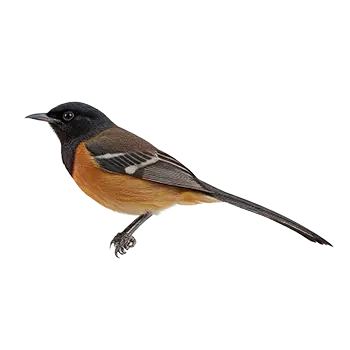
The Shama Thrush's long graduated tail, which can account for nearly half the bird's total length in adult males, imposes constraints on accessory design that owners of short-tailed species never encounter. Feeding dishes mounted too close to the cage wall catch tail feathers during turning movements. Standard round water cups force the bird to assume awkward postures that press the tail against adjacent surfaces. Travel carriers designed for small birds may not provide enough depth for the tail to hang freely without bending against the carrier floor. Every accessory placement and selection decision should account for the tail's length and the bird's need for unobstructed movement.

Quality of materials matters more for softbill accessories than many keepers initially realize. The wet, fruit-rich diet of the Shama creates a care environment with higher moisture levels than a seed-eating bird's setup. Dishes, perch fittings, cage clips, and mounting hardware are exposed to frequent moisture from bathing splashes, fruit juices, and moist softbill food, which accelerates corrosion in low-quality metals and promotes bacterial growth on porous surfaces. Investing in stainless steel, food-grade ceramic, and high-quality plastics for items that contact food or water pays for itself in longevity and reduced contamination risk.

Organizing accessories for daily workflow makes the difference between a care routine that takes ten minutes and one that consumes thirty. Keeping spare food dishes clean and ready for rotation, maintaining a dedicated set of cleaning tools for the bird room, and storing supplements, insect containers, and fresh food supplies within arm's reach of the cage transforms daily care from a chore into a streamlined process. The goal is a setup where every task the keeper performs regularly can be completed quickly and without disrupting the bird more than necessary.

Feeding and Watering Equipment

Food dishes for the Shama Thrush must accommodate the species' varied diet, which includes live insects, moist softbill food, fresh fruit, and dry pellets or crumbles. A single all-purpose dish is inadequate because different food types have different presentation and hygiene requirements. Most experienced keepers maintain at minimum three separate feeding stations: one for live insects, one for moist or prepared food, and one for fresh fruit. This separation prevents cross-contamination, allows the keeper to monitor consumption of each food type independently, and gives the bird distinct feeding stations to visit, which adds a minor foraging dimension to the daily routine.

Live insect dishes require specific design features to function properly. A smooth-sided ceramic or glass dish with walls high enough to prevent crickets and mealworms from escaping but low enough for the bird to see and access the contents works best. Some keepers use commercially available escape-proof worm dishes that feature an inward-curving rim, preventing mealworms from climbing out while allowing the bird to reach in easily with its beak. For crickets, a deeper dish with smooth vertical sides is necessary, as crickets are more agile climbers than mealworm larvae. Placing the insect dish on the cage floor near a low perch encourages the natural downward-pouncing hunting behavior that Shamas employ in the wild.

Water dispensing equipment for softbills should prioritize cleanliness and ease of replacement over volume. Shamas drink frequently but in small amounts, and their water is contaminated rapidly by bathing splashes, food debris, and droppings. Open ceramic water cups are the most natural option and easy to clean, but they require multiple daily changes. Tube-style water bottles keep the water cleaner for longer and are suitable as a supplemental water source, though some softbills are reluctant to drink from a tube and may need training to use one. If a tube bottle is provided, it should be offered alongside an open dish until the bird demonstrates reliable use of both methods.

Dish mounting systems affect both hygiene and the bird's comfort. Coop cups that mount securely to the cage bars at a height accessible from a nearby perch are practical for dry and moist foods. Floor-mounted dishes on stable weighted bases suit live insect presentations and bathing dishes. Swinging or loosely attached dishes are unsuitable for a species that approaches food with quick, precise movements, as any dish that shifts when the bird lands on its rim will startle and deter feeding. Stainless steel coop cups with locking brackets provide the most secure wall-mounted option, while heavy ceramic crocks are ideal for floor placement.

Bathing Accessories

Bathing accessories for the Shama Thrush deserve dedicated attention because this species bathes more frequently and more vigorously than most cage birds, and inadequate bathing provisions compromise both feather condition and behavioral wellbeing. The minimum bathing setup is a shallow, heavy ceramic dish placed on the cage floor, but keepers who invest in more sophisticated bathing accessories generally observe more enthusiastic and complete bathing behavior from their birds.

Dedicated bird bath dishes designed specifically for cage use are available in several configurations. Enclosed clip-on bath houses that attach to an open cage door allow the bird to bathe inside a contained unit that keeps most of the splash water within the bath rather than spraying across the cage and surrounding area. These units are particularly useful for keepers who want to minimize water damage to the bird room floor and walls. The bath house should be large enough for the Shama to enter fully, turn around, and splash without restriction, which means that bath houses designed for small finches are likely too cramped for this species.

Misting accessories extend the bathing experience beyond the bath dish. A quality pump-action mister with an adjustable nozzle that produces a fine, fog-like spray allows the keeper to deliver a gentle rain simulation that many Shamas find deeply enjoyable. The mister should be dedicated exclusively to the bird and filled only with clean, lukewarm water. Adding supplements, oils, or any other substances to the misting water is unnecessary and potentially harmful. Automated misting systems can be installed in aviaries or bird rooms to deliver scheduled misting sessions, replicating the brief tropical rain showers that the species encounters daily in its native range.

Bath water temperature has a measurable effect on bathing enthusiasm and duration. Most Shamas prefer lukewarm water that is slightly above room temperature, roughly between seventy-two and eighty degrees Fahrenheit. Cold water discourages bathing and can chill a small bird, while hot water risks thermal injury and strips natural oils from the plumage. Testing the water with a wrist before filling the bath ensures appropriate temperature without the need for a thermometer. In cold weather or air-conditioned environments, using slightly warmer water compensates for the rapid cooling that occurs in a shallow, open dish.

Post-bath drying conditions are part of the bathing equation. A Shama that bathes in a drafty or cold environment may become chilled before its plumage dries, increasing the risk of respiratory illness. Ensuring that the bath area is draft-free and the room is at a comfortable temperature allows the bird to preen and air-dry at its own pace. Some keepers position a low-wattage ceramic heat emitter or a bird-safe warming perch near the bathing area so the bird can move to a warm spot after bathing. Direct heat lamps aimed at the bird should be avoided, as they create localized overheating and can dry the plumage excessively.

Travel and Transport

A proper transport carrier is a non-negotiable accessory for any Shama Thrush keeper, needed for veterinary visits, moves, emergency evacuations, and temporary housing during cage maintenance. The carrier must accommodate the bird's long tail, provide ventilation and security, and minimize visual stress during transit. Choosing the right carrier before it is urgently needed prevents the scramble of improvising containment during a stressful situation.

Small bird carriers and travel cages designed for finches and canaries are often too short in depth for a Shama's tail. A carrier measuring at least twelve inches in the longest interior dimension provides enough space for the bird to perch without bending its tail against the back wall. The carrier should be tall enough for a perch mounted at a height that keeps the tail clear of the floor, where it would contact droppings and become soiled. Hard-sided carriers are preferable to fabric or mesh carriers because they provide better physical protection, maintain shape during handling, and are easier to clean after use.

Ventilation must be adequate without creating a drafty interior. Carriers with ventilation slots or small mesh panels on multiple sides allow air circulation while limiting the bird's view of its surroundings, which reduces stress-related panic. Fully open wire carriers offer maximum ventilation but expose the bird to visual overload from unfamiliar environments, moving objects, and the presence of other animals in veterinary waiting rooms. A partially covered carrier that allows the bird to retreat visually while still receiving fresh air strikes the best balance for most transport situations.

Carrier furnishing is minimal but important. A single natural wood perch mounted securely at mid-height gives the bird a stable footing during transit. A small dish of water secured to the carrier wall prevents dehydration during longer trips, though a dish of moist fruit can substitute for water on shorter journeys and is less likely to spill. Lining the carrier floor with a paper towel or small piece of newspaper facilitates cleanup and allows the keeper to assess droppings, which provides diagnostic information if the bird is being transported to a veterinarian.

Acclimating the bird to the carrier before it is needed reduces transport stress dramatically. Leaving the carrier open in the bird room for several days before a planned trip, with a treat placed inside, encourages the bird to investigate and enter voluntarily. A bird that associates the carrier with food and exploration rather than with sudden capture and unfamiliar movement will travel far more calmly. For emergency situations where prior acclimation is not possible, covering the carrier with a lightweight cloth immediately after placing the bird inside reduces visual stimulation and helps the bird settle.

Nesting and Roosting Accessories

Roosting accessories support healthy sleep patterns and provide the Shama with a sense of security during rest periods. In the wild, Shamas roost in dense vegetation that provides cover from above and on the sides, selecting perches that are sheltered from wind and concealed from predators. Replicating this sense of enclosure in the captive environment improves sleep quality and reduces nighttime stress behaviors such as thrashing or night frights.

Roosting perches should be positioned at the highest point in the enclosure, as Shamas instinctively seek the highest available perch for sleeping. The roosting perch should be a natural wood branch of comfortable diameter, placed in a corner or against a solid wall that provides a backdrop. A small cluster of artificial or dried foliage attached near the roosting perch creates overhead cover that simulates the dense canopy the bird would select in the wild. This simple addition often produces an immediate and visible improvement in roosting behavior, with the bird settling more quickly and sleeping more deeply.

Nest boxes are necessary accessories for breeding pairs. The Shama Thrush is a cavity nester in the wild, selecting tree holes, crevices in banks, and similar enclosed spaces for nesting. A commercially available wooden nest box with an open front, rather than a round entrance hole, suits the species well. The box should measure approximately six inches square and eight inches deep, mounted at the highest practical point in the breeding enclosure. Lining the bottom with a layer of dry leaf litter, coconut fiber, or fine wood shavings provides a base upon which the female will construct her nest from additional materials provided by the keeper.

Nesting material should be offered in variety and abundance during the breeding season. Dried grass, coconut fiber, fine bark strips, moss, and small feathers are all used by breeding Shamas in nest construction. Placing these materials in a loose pile on the cage floor or in a small basket allows the pair to select and carry preferred materials to the nest box. Avoid offering cotton batting, string, or synthetic fibers, which pose entanglement and ingestion risks. Monitoring nest construction without disturbing the pair provides insight into breeding readiness without the stress of direct nest inspection.

Cage covers serve as a roosting accessory that establishes a clear distinction between active and rest periods. A dark, breathable cover placed over the cage at a consistent time each evening signals the onset of the rest period and blocks artificial light that might otherwise disrupt sleep. The cover material should be opaque enough to create darkness but breathable enough to maintain adequate air exchange. Heavy fabrics that trap heat and restrict ventilation should be avoided. Establishing a consistent cover-on and cover-off schedule reinforces the bird's circadian rhythm and promotes the regular sleep cycles that support immune function, hormonal balance, and overall health.

Cleaning and Maintenance Supplies

Maintaining a hygienic environment for a Shama Thrush requires a dedicated set of cleaning supplies that are effective against the organic residue of a softbill diet while remaining safe for use around a sensitive avian respiratory system. The moist foods, fruit residue, and wet droppings characteristic of insectivore-frugivore care create cleaning challenges that differ from those of seed-eating bird maintenance, and the supplies chosen must address these specific conditions.

Bird-safe disinfectants formulated for avian use are the cornerstone of the cleaning supply kit. Products based on accelerated hydrogen peroxide or quaternary ammonium compounds approved for avian environments provide effective sanitation without the volatile fumes that make bleach and phenol-based cleaners dangerous to birds. The disinfectant should be used at the manufacturer's recommended dilution, applied to surfaces, allowed to sit for the specified contact time to ensure pathogen kill, and rinsed thoroughly with clean water before the bird is returned to the enclosure. Keeping a spray bottle of diluted bird-safe disinfectant ready for daily spot cleaning streamlines the routine.

Dedicated scrub brushes in multiple sizes handle different cleaning tasks. A stiff-bristled bottle brush reaches inside tube feeders and water bottles. A flat scrub brush with medium bristles works well on food dishes, bath dishes, and cage trays. A small detail brush or old toothbrush reserved for cage bar cleaning reaches into corners and around fittings where droppings and food residue accumulate. All cleaning brushes should be used exclusively for bird enclosure maintenance and never shared with household cleaning tasks, preventing cross-contamination with household chemicals.

Enzymatic cleaners designed for pet use provide superior performance on the organic residue that characterizes softbill enclosure maintenance. Fruit sugars, insect proteins, and bird droppings create a complex organic film that standard soap and water may not fully dissolve, particularly on textured surfaces or in joints and seams. Enzymatic formulations break down these organic compounds at the molecular level, producing a genuinely clean surface rather than a superficially rinsed one. These products are particularly valuable for deep-cleaning perches, nest boxes, and porous accessories that absorb organic material over time.

A complete maintenance supply kit should also include replacement hardware and consumables: extra cage clips and mounting brackets, spare perch holders, a supply of substrate material, backup food and water dishes for use during cleaning, and a small toolkit with pliers and screwdrivers for cage repairs. Having these items on hand means that a broken clip, a cracked dish, or a failed perch mount can be addressed immediately rather than leaving the bird in a compromised setup while replacement parts are sourced. An organized storage system for these supplies, kept in or near the bird room, supports the efficient care routine that keeps both the bird and its keeper on an even keel.

Always consult a qualified professional before making any health-related decisions. This content is provided for informational reference only and should not replace professional guidance specific to your animal.