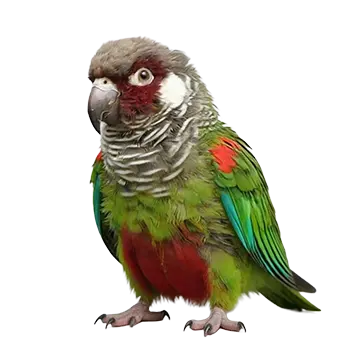

Outfitting a Scaly Breasted Parakeet's living space goes well beyond choosing a cage and filling a food dish. The accessories that surround the bird's daily routine, from the style of feeding station to the type of cage cover used at night, collectively shape the quality of its captive experience. Lorikeets present unique accessory requirements compared to seed-eating parrots, primarily because their liquid diet and projectable droppings demand materials and designs that can withstand frequent cleaning, resist moisture damage, and contain mess more effectively than standard parrot accessories.
The accessories discussed in this guide are organized by function: feeding and watering equipment, perching, travel, grooming, sleep, and cleaning. Each category includes considerations specific to Scaly Breasted Parakeets that may not apply to other parrot species. Selecting accessories with lorikeet-specific demands in mind from the start avoids the common experience of purchasing general parrot products, finding them inadequate for the realities of lorikeet keeping, and replacing them within weeks.
Quality matters more than quantity when assembling an accessory collection. A few well-chosen, durable items that suit the bird's species-specific needs will outlast and outperform a larger collection of generic products. Stainless steel, food-grade acrylic, and high-density plastics that tolerate hot water and disinfectant scrubbing are the material benchmarks for any accessory that will contact food, water, or droppings. Items that cannot be thoroughly sanitized should be treated as disposable and budgeted for regular replacement.
Investing in the right accessories at the outset also reduces the daily time commitment of lorikeet care. A well-designed feeding system that minimizes splashing, a cage skirt that contains droppings, and cleaning tools that make daily maintenance efficient all contribute to a routine that is manageable over the years rather than exhausting within months. The birds can live fifteen to twenty years in captivity, and sustainability of the care routine is essential for both the owner's well-being and the bird's long-term welfare.