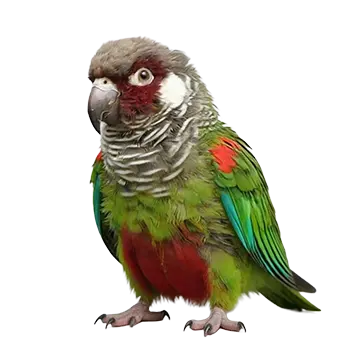

Scaly Breasted Parakeet Species Guide - Furry Critter Network

Scaly Breasted Parakeet

Quick Facts

🔬 Scientific Name
Trichoglossus chlorolepidotus
📊 Care Level
Intermediate
😊 Temperament
Playful, Gentle, Curious, Social
📏 Adult Size
9-10 inches
⏱️ Lifespan
20-30 years
🔊 Noise Level
Moderate
🗣️ Talking Ability
Limited
🍽️ Diet Type
Nectar-based
🌍 Origin
Eastern Australia
🏠 Min Cage Size
30x18x36 inches
📐 Size
Small

Scaly Breasted Parakeet - Names & Recognition

The Scaly Breasted Parakeet is most widely known in aviculture and ornithology as the Scaly-breasted Lorikeet, a name that more accurately reflects its taxonomic placement within the lorikeet subfamily Loriinae. The common name parakeet persists in some regional usage and older literature, though it can create confusion with the unrelated parakeet species of the genera Psittacula, Melopsittacus, and others. Additional common names encountered in Australian and international sources include the Green and Gold Lorikeet, the Gold-flanked Lorikeet, and simply the Greenie, a colloquial term used in eastern Australian communities where the species is abundant and familiar.

The scientific name Trichoglossus chlorolepidotus places this bird within the genus Trichoglossus, which it shares with the closely related Rainbow Lorikeet and several other Australasian lorikeet species. The species epithet chlorolepidotus derives from the Greek chloros meaning green and lepidotos meaning scaly, directly referencing the distinctive yellow-edged green feathers on the breast and underparts that create the scalloped appearance giving the bird its primary common name. The species was first formally described by the German naturalist Heinrich Kuhl in 1820, based on specimens collected from eastern Australia.

Taxonomic revisions within the Trichoglossus genus have shifted the relationships among its member species over time, but the Scaly Breasted Parakeet has remained a consistently recognized and uncontested species throughout these changes. It has no recognized subspecies, which is somewhat unusual among Australian parrots and reflects the species' relatively uniform appearance and behavior across its geographic range. The bird is protected under Australian wildlife legislation and is listed under CITES Appendix II, which regulates international trade. In the domestic aviculture market outside Australia, the species is moderately available through captive breeding programs, though it remains less common than the Rainbow Lorikeet in both pet stores and breeder collections.

Within Australia, the Scaly Breasted Parakeet holds a familiar and generally positive reputation among the public. It is a common sight in urban parks, suburban gardens, and rural orchards along the eastern seaboard, where its gregarious flocking behavior and fondness for flowering trees make it one of the most visible native parrot species. Commercial fruit growers have a more ambivalent relationship with the species, as large flocks can cause significant crop damage during fruiting seasons, though this has not led to the persecutional pressure experienced by some other native parrots.

Scaly Breasted Parakeet Physical Description

The Scaly Breasted Parakeet is a compact, solidly built lorikeet measuring approximately nine to ten inches in total length from the tip of the beak to the end of the tail. Adults typically weigh between seventy-five and ninety-five grams, with minimal size difference between males and females. The species is monomorphic, meaning that males and females are visually indistinguishable without DNA sexing or surgical examination, a trait shared with most lorikeet species. This monomorphism extends to juvenile birds, which closely resemble adults by the time they fledge, differing only in slightly duller plumage and darker bills that lighten with maturity.

The dominant plumage color is a rich, uniform green that covers the head, wings, back, and tail, giving the bird an overall emerald appearance at rest. The defining feature from which the species takes its common name is the breast and abdominal plumage, where each feather is broadly edged in bright yellow against a green center, creating a distinctive scalloped or fish-scale pattern that is immediately recognizable at close range. This scalloping extends from the lower throat down through the belly and onto the flanks, gradually diminishing in contrast toward the vent. The underwing coverts display a vivid band of orange-red that is concealed when the wings are folded but flashes conspicuously during flight, providing a reliable field identification character when the bird is seen from below.

The beak is dark, nearly black, and relatively narrow compared to the broader mandibles of seed-cracking parrots, reflecting the lorikeet's specialized adaptation for nectar feeding. The tongue is one of the species' most remarkable anatomical features. Like all lorikeets, the Scaly Breasted Parakeet possesses a brush-tipped tongue equipped with papillae at its distal end, which it extends into flowers to collect nectar and pollen with extraordinary efficiency. This tongue structure sets lorikeets apart from other parrot groups and directly shapes their dietary requirements in captivity. The eyes are orange-red in adults, surrounded by a narrow ring of bare grey periorbital skin. The legs and feet are dark grey, with the zygodactyl toe arrangement standard to all parrots providing strong grip on branches and cage surfaces.

In flight, the Scaly Breasted Parakeet is fast and direct, with rapid wingbeats and a distinctive silhouette created by its pointed tail and relatively short, rounded wings. The orange-red underwing flash and the overall green body make it distinguishable from the Rainbow Lorikeet in areas where both species occur together, as the Rainbow Lorikeet displays a blue head, orange breast, and multicolored plumage pattern absent in the Scaly Breasted Parakeet. Captive-bred color mutations are rare in this species, with the overwhelming majority of birds in aviculture displaying the wild-type green and yellow plumage.

Affection Level
Scaly Breasted Parakeets are genuinely affectionate birds that enjoy physical closeness with their bonded humans. They readily solicit head scratches, perch on shoulders and hands, and often nestle against their owner's neck or cheek during quiet moments. Their affection is expressed calmly rather than demandingly, making them comfortable companions for owners who prefer warmth without the intensity of cockatoo-style neediness.
Sociability
As flock-oriented birds in the wild, Scaly Breasted Parakeets adapt well to household social life and generally accept interaction with multiple family members rather than bonding exclusively to one person. They enjoy being in the same room as their human flock and often vocalize contentedly during household activity. Early socialization further strengthens their comfort around varied people and environments.
Vocalization
Scaly Breasted Parakeets produce a moderate level of vocalization consisting of high-pitched chattering, whistling, and shrill contact calls that carry but lack the piercing volume of larger lorikeets and cockatoos. They are most vocal during morning and evening activity periods and when excited by interaction. Their overall noise output is manageable in most housing situations, though not silent enough for highly noise-sensitive environments.
Intelligence
These lorikeets demonstrate solid problem-solving abilities and learn foraging puzzles, simple tricks, and household routines readily. While not reaching the cognitive sophistication of African Greys or cockatoos, they show genuine curiosity and investigative behavior that keeps them engaged with novel toys and environmental changes. Their intelligence is well matched to the enrichment level most owners can realistically provide.
Exercise Needs
Scaly Breasted Parakeets are active, energetic birds that require substantial daily flight and play time outside the cage. In the wild they fly considerable distances between feeding sites, and captive birds need opportunities to exercise this drive through supervised free flight in bird-safe rooms or large flight enclosures. Inadequate exercise leads to obesity and behavioral frustration in this naturally athletic species.
Maintenance Level
The nectar-based diet of lorikeets creates maintenance demands that exceed those of seed- or pellet-fed parrots. Liquid droppings require more frequent cage cleaning, and fresh nectar preparations must be replaced multiple times daily to prevent bacterial growth. Cage surfaces, perches, and walls near the cage accumulate splattered food and excrement rapidly. Owners must be prepared for a significantly higher cleaning commitment than other parrots require.
Trainability
Scaly Breasted Parakeets respond well to positive reinforcement training, learning step-up, recall, and basic tricks with consistency and patience. Their food motivation, particularly for nectar treats, provides an effective training lever. They are less driven to perform complex trick sequences than some larger parrots but participate willingly in training sessions that are kept short and rewarding.
Independence
These birds tolerate periods of independence better than cockatoos or lovebirds but still need regular daily interaction to remain well-adjusted. A pair of Scaly Breasted Parakeets housed together can entertain one another during the owner's working hours, reducing the social burden on a single caretaker. Singly housed birds require more direct human engagement and may develop behavioral issues if left alone for extended periods routinely.

Natural Habitat & Range

The Scaly Breasted Parakeet is endemic to eastern Australia, with a natural range extending from the Cape York Peninsula in far northern Queensland southward through coastal and near-coastal regions of New South Wales to the Illawarra district south of Sydney. The range is bounded to the west by the Great Dividing Range, beyond which the species is largely absent, and it does not occur naturally in Western Australia, South Australia, or Tasmania. Within its range the species is common to locally abundant, with population density highest in coastal lowland areas where flowering eucalyptus, melaleuca, and banksia trees provide year-round nectar resources.

Habitat preferences center on open eucalyptus woodland, coastal heath, subtropical and tropical rainforest margins, urban parkland, and suburban gardens with established flowering trees and shrubs. The species is not a deep-forest bird, favoring woodland edges, cleared areas with remnant trees, and the fragmented habitats created by agricultural and urban development. This adaptability to modified landscapes has allowed the Scaly Breasted Parakeet to maintain stable or increasing populations in regions where more habitat-specialist species have declined, and it has expanded its range southward in New South Wales over recent decades, possibly in response to climate warming and the planting of ornamental flowering trees in suburban environments.

Scaly Breasted Parakeets are highly nomadic within their range, moving in response to the sequential flowering of different tree species across seasons and regions. A flock may exploit a stand of flowering Eucalyptus robusta for several weeks before relocating to a distant grove of Melaleuca quinquenervia as the nectar resource shifts. This nomadic pattern means that a given location may host large numbers of the species for a period and then none at all for months, a dynamic that early observers sometimes mistook for seasonal migration. True migration does not occur in this species, and the movements are resource-driven rather than directionally consistent.

Socially, wild Scaly Breasted Parakeets are gregarious flock birds that rarely occur singly except during nesting. Flocks of twenty to several hundred individuals are common at productive feeding sites, and roosting aggregations at favored overnight sites can number in the thousands. Mixed-species flocking with Rainbow Lorikeets is routine where the two species overlap geographically, and interspecific competition for nest hollows represents a significant ecological interaction between them. The Scaly Breasted Parakeet nests in tree hollows, particularly in dead or living eucalyptus trees, laying clutches of two to three eggs that are incubated primarily by the female for approximately twenty-five days.

Temperament

The Scaly Breasted Parakeet brings a temperament to captivity that distinguishes it from both the boisterous intensity of Rainbow Lorikeets and the demanding emotional complexity of larger parrots. These birds are playful, active, and genuinely curious about their environment, engaging with toys, household objects, and human companions with an enthusiasm that is energetic without being frantic. Their play style is physical and acrobatic, involving hanging upside down, wrestling with foot toys, rolling on flat surfaces, and swinging from cage furnishings with the athletic confidence characteristic of lorikeets as a group.

Socially, Scaly Breasted Parakeets are flock-oriented birds that generally distribute their social investment across multiple household members rather than forming the exclusive single-person bonds that complicate ownership of some parrot species. A well-socialized individual typically accepts handling from several people, engages in greeting behavior when family members return home, and positions itself near household activity rather than retreating to the cage. This social flexibility makes them more adaptable to the changing dynamics of multi-person households than species prone to intense one-person bonding.

Their temperament includes a gentleness that is unusual among parrots of any size. While any bird with a beak can bite, Scaly Breasted Parakeets are notably less inclined toward aggressive biting than many parrot species, including other lorikeets. Their nipping behavior is typically exploratory rather than defensive or territorial, and they generally respond to handling mistakes with evasion rather than attack. This comparatively gentle disposition makes them more suitable for households with older children or less experienced bird handlers than species whose bite force and willingness to use it demand advanced handling skills.

The species does display some behavioral characteristics that require understanding and management. They are energetic to the point of restlessness when under-stimulated, and boredom manifests as repetitive behaviors, excessive vocalization, or destructive chewing of cage accessories and any accessible household materials. Their lorikeet heritage includes a fondness for bathing that borders on compulsive, and providing daily bathing opportunities through shallow dishes, spray bottles, or shower perches is essential for feather health and behavioral satisfaction. Hormonal behavior during breeding season can temporarily increase territorial behavior and possessiveness, though this tends to be milder in Scaly Breasted Parakeets than in many other parrot species.

Care Requirements

Housing a Scaly Breasted Parakeet demands accommodations that address both its physical activity needs and the unique maintenance challenges created by its liquid diet and correspondingly liquid droppings. The minimum cage size for a single bird is thirty inches wide, eighteen inches deep, and thirty-six inches tall, though a flight cage or small aviary is strongly preferred. Bar spacing should not exceed half an inch for this small species. The cage must be positioned in a socially active area of the home where the bird can observe and participate in household life, away from kitchens where fumes from heated nonstick cookware pose a lethal respiratory hazard and away from drafty windows and exterior doors.

The single greatest care distinction between lorikeets and other parrots is the cleaning burden. Nectar-fed birds produce copious, liquid droppings that are projected with surprising force and range. Cage trays require daily lining changes, and the area surrounding the cage will need wall protection and regular cleaning. Acrylic cage guards, splash shields, or strategic placement of washable mats around the cage base significantly reduce the cleaning scope. Perches, toys, and cage bars accumulate sticky nectar residue and fecal matter rapidly and need thorough cleaning on a schedule far more frequent than what conventional parrot husbandry requires. Owners who are unprepared for this level of daily maintenance consistently find lorikeet keeping unsustainable.

Environmental enrichment must address the species' intelligence and physical energy. Foraging toys that dispense treats when manipulated, swings, ladders, and bells provide in-cage stimulation. Supervised out-of-cage time in a bird-safe room allows flight exercise that no cage can replicate and should be provided daily for at least one to two hours. The bird-safe room must be screened for hazards including open water, ceiling fans, toxic houseplants, exposed electrical cords, and windows or mirrors against which the bird might collide. Some owners designate a single room with washable wall coverings and minimal furnishings as a dedicated lorikeet flight room, which simplifies both safety management and post-flight cleanup.

Bathing is not optional for this species. Scaly Breasted Parakeets require daily access to bathing water, whether provided as a shallow dish in the cage, a fine mist from a spray bottle, or access to a wet lettuce leaf or leafy branch that the bird can roll against. Bathing maintains feather condition, supports the health of the specialized plumage structure, and provides behavioral enrichment that visibly improves the bird's mood and activity level. Depriving a lorikeet of regular bathing opportunities contributes to feather quality deterioration and stress-related behavioral problems.

Temperature management deserves attention given the species' tropical and subtropical origin. Scaly Breasted Parakeets tolerate a comfortable range of approximately sixty-five to eighty-five degrees Fahrenheit but are sensitive to cold drafts and rapid temperature fluctuations. Indoor housing in climate-controlled environments suits them well in most regions. Outdoor aviary housing is viable in warm climates but requires sheltered sections that protect against wind, rain, and temperature drops during cooler months.

Feeding & Nutrition

The dietary requirements of the Scaly Breasted Parakeet differ fundamentally from those of seed-eating and pellet-eating parrots and represent the most significant care commitment unique to lorikeet ownership. In the wild, the species feeds primarily on nectar and pollen from native flowering trees, supplemented by soft fruits, berries, insects, and occasional seeds. The brush-tipped tongue is specifically adapted for extracting nectar from tubular flowers, and the gastrointestinal tract is designed to process a high-sugar, low-fiber liquid diet rather than the hard seeds and nuts that sustain most parrots. Captive feeding must replicate this dietary profile to maintain health.

Commercially formulated lorikeet nectar mixes form the dietary foundation for captive Scaly Breasted Parakeets. These products, available as dry powders that are reconstituted with water or as ready-to-serve liquids, are designed to provide balanced nutrition while controlling iron content, an important consideration given lorikeets' susceptibility to iron storage disease. Reputable brands formulate their products with the specific nutritional ratios that lorikeet physiology requires, including appropriate protein levels, vitamins, and minerals. The nectar must be prepared fresh at least once daily, and in warm conditions twice daily, because the sugar content supports rapid bacterial and fungal growth that can cause serious gastrointestinal illness if the bird consumes spoiled nectar.

Fresh foods supplement the nectar base and provide dietary variety, enrichment, and additional micronutrients. Suitable fresh foods include chopped fruits such as apple, pear, grape, melon, and papaya; flowers and blossoms from safe, unsprayed plants including grevillea, bottlebrush, eucalyptus, and hibiscus; and small amounts of leafy greens and soft vegetables. Corn on the cob is a favored enrichment food that most lorikeets attack with enthusiasm. Citrus fruits can be offered in moderation. Avocado, chocolate, caffeine, onion, and garlic are toxic and must be excluded entirely, as with all parrot species.

Iron management is a critical and species-specific dietary consideration. Lorikeets absorb dietary iron more efficiently than many other bird groups, and excess iron accumulates in the liver causing hemochromatosis, a progressive and potentially fatal condition. Commercial lorikeet nectar formulations designed for daily use maintain iron at safe levels, but supplemental foods must also be evaluated for iron content. Dark leafy greens high in iron, red meat-based foods, and vitamin C supplements that enhance iron absorption should be limited or avoided. Choosing fruits and vegetables with moderate to low iron content and using nectar brands that explicitly address iron levels in their formulation provides the best dietary framework for long-term health.

Fresh, clean water must be available at all times in addition to nectar. While lorikeets obtain significant moisture from their liquid diet, separate water access for drinking and bathing remains essential. Water dishes must be changed daily and positioned to minimize contamination from droppings and food splatter. Some owners provide water through sipper bottles, which reduce contamination but must be monitored to ensure the bird is drinking adequately and the mechanism is functioning properly.

Scaly Breasted Parakeet Health & Lifespan

With appropriate husbandry, Scaly Breasted Parakeets live twenty to thirty years in captivity, a lifespan that places them in the moderate-commitment category among companion parrots and demands long-term planning from prospective owners. Achieving the upper end of this range depends heavily on diet quality, hygiene standards, veterinary access, and the management of species-specific health vulnerabilities that distinguish lorikeet medicine from general avian care. Their specialized digestive system, adapted for processing nectar rather than seeds, creates a unique health profile that avian veterinarians must account for when assessing and treating this species.

The high-sugar, liquid diet that defines lorikeet feeding creates an environment within the crop and gastrointestinal tract that favors microbial overgrowth when hygiene is compromised. Candidiasis, caused by Candida yeasts proliferating in the warm, sugary conditions of the crop, is one of the most common health problems in captive lorikeets and can become chronic if the underlying husbandry deficiencies driving it are not corrected. Bacterial infections from contaminated nectar produce similar gastrointestinal symptoms including regurgitation, crop stasis, altered droppings, and lethargy. The single most effective preventive measure against these infections is rigorous nectar hygiene, replacing fresh nectar multiple times daily and thoroughly cleaning all feeding implements.

Iron storage disease represents a slowly progressive threat that may not produce clinical signs until organ damage is advanced. Routine blood work during annual veterinary examinations can detect elevated iron levels before symptoms develop, allowing dietary adjustments and, if necessary, medical management through phlebotomy or chelation therapy. Owners should discuss iron-aware dietary planning with their avian veterinarian and select commercial nectar formulations from manufacturers that specifically control iron content for lorikeet species.

Lorikeet Paralysis Syndrome remains a poorly understood condition that predominantly affects wild lorikeets in eastern Australia but has been reported in captive birds as well. The syndrome produces progressive weakness and paralysis, typically beginning in the legs and advancing to the wings and respiratory muscles. Suspected causes range from viral agents to plant toxins, and no definitive etiology has been established despite decades of investigation. Captive birds presenting with sudden onset weakness or inability to perch should receive emergency veterinary assessment, as supportive care including fluid therapy, warmth, and assisted feeding can produce recovery in some cases if initiated promptly.

Because lorikeets hide illness as effectively as other parrot species, daily observation of behavior, droppings, appetite, and physical appearance constitutes the owner's primary health monitoring tool. Changes in dropping consistency, color, or volume are particularly informative in nectar-fed birds and should be evaluated in the context of what the bird has recently eaten, as normal droppings in lorikeets are naturally more liquid than those of seed-eating parrots. Sustained changes, however, warrant veterinary consultation. Weight monitoring using a gram-accurate scale provides an objective measure that detects the gradual weight loss often preceding visible illness by days or weeks.

Common Health Issues

  • Lorikeet Paralysis Syndrome - A neurological condition of uncertain etiology that affects lorikeets in Australia and captivity, causing progressive limb weakness, paralysis, and sometimes death. Suspected causes include viral infection, plant toxins, or nutritional imbalances. Affected birds require immediate supportive veterinary care including fluid therapy and nutritional support.
  • Iron Storage Disease (Hemochromatosis) - Lorikeets are susceptible to excessive iron accumulation in the liver and other organs, a condition linked to dietary iron levels and genetic predisposition. Symptoms include lethargy, labored breathing, and abdominal distension as liver function deteriorates. Prevention centers on feeding low-iron nectar formulations specifically designed for lorikeet species.
  • Candidiasis - Fungal overgrowth of Candida species in the crop and gastrointestinal tract occurs frequently in lorikeets due to the high-sugar content of their nectar diet. Signs include regurgitation, white plaques in the oral cavity, crop stasis, and reduced appetite. Maintaining strict hygiene of nectar dispensers and food dishes is essential for prevention.
  • Psittacine Beak and Feather Disease - PBFD caused by circovirus affects lorikeets and can produce feather dystrophy, beak abnormalities, and immune suppression. Young birds are most vulnerable, and the disease is transmitted through feather dust and fecal material. No cure exists, making quarantine of new birds and testing before introduction to established collections critical preventive measures.
  • Obesity - Captive lorikeets receiving excessive amounts of high-sugar nectar, fruit, and treats without adequate exercise are prone to obesity that stresses the liver and cardiovascular system. Weight monitoring using a gram scale, controlled portion sizes, and daily flight exercise help maintain appropriate body condition in this active species.

Preventive Care & Health Monitoring

  • Annual avian veterinary examinations - Including physical assessment, blood work, and fecal testing establish health baselines and detect developing conditions before clinical signs appear. Avian specialists familiar with lorikeet-specific health concerns provide the most appropriate care for this species.
  • Strict nectar hygiene - Fresh nectar must be replaced at least twice daily in warm weather and once daily in cooler conditions to prevent bacterial and fungal proliferation. Nectar dispensers, feeding dishes, and surrounding cage surfaces require thorough daily cleaning with bird-safe disinfectants to reduce pathogen exposure.
  • Low-iron diet management - Using commercially formulated lorikeet-specific nectar mixes designed with controlled iron levels reduces the risk of hemochromatosis. Supplemental foods including fresh flowers, native blossoms, vegetables, and limited fruit should also be chosen with iron content in mind.
  • Quarantine protocols for new birds - Any new lorikeet introduced to a household with existing birds should be quarantined for a minimum of thirty days with separate feeding equipment, airspace, and handler hygiene to prevent transmission of PBFD, polyomavirus, psittacosis, and other communicable diseases.
  • Daily flight and exercise opportunities - Providing supervised out-of-cage flight time in a bird-safe environment maintains cardiovascular fitness, healthy weight, and psychological wellbeing. Flight cages or indoor aviaries offer controlled exercise space for households where free room flight is impractical.
  • Full-spectrum UV lighting - Providing access to unfiltered natural sunlight or full-spectrum UVB lighting supports vitamin D3 synthesis and calcium metabolism, which are essential for bone health and immune function in captive lorikeets that may not receive adequate natural sun exposure.

Training & Vocalization

Scaly Breasted Parakeets are responsive training subjects whose combination of food motivation, social orientation, and moderate intelligence makes them well suited to positive reinforcement methods. Step-up training, the foundational behavior on which all subsequent handling relies, is typically accomplished within days to weeks with consistent, patient daily sessions. The bird's natural curiosity and willingness to approach human hands for nectar treats facilitates the trust-building process that more fearful or territorial species resist. Target training follows naturally from step-up and provides a versatile platform for teaching recall, stationing, and simple tricks that provide cognitive enrichment.

Training sessions should be brief, no more than five to ten minutes, and timed to coincide with periods when the bird is alert and mildly hungry rather than recently fed or fatigued. Nectar delivered from a small syringe or spoon serves as an effective reward that the bird can consume quickly without interrupting the training rhythm. Solid treats like small pieces of fruit work as well but may slow the session as the bird manipulates and chews each piece. Ending every session on a successful repetition, even if that means returning to an already-mastered behavior, maintains the bird's positive association with the training context and its willingness to engage in subsequent sessions.

Vocal behavior in the Scaly Breasted Parakeet is characterized by a varied repertoire of chattering, whistling, and high-pitched calls that are moderate in volume relative to larger lorikeet and parrot species. Their contact call, used to maintain flock cohesion in the wild and to summon bonded humans in captivity, is a sharp, carrying note that repeats in rapid succession and can become persistent if the bird is anxious or seeking attention. Morning and evening activity periods produce the most intense vocalizations, reflecting the species' natural crepuscular activity peaks. Between these periods, a content bird typically produces quieter conversational chattering that most owners find pleasant and unobtrusive.

Speech mimicry in the Scaly Breasted Parakeet is limited compared to larger parrot species known for their talking ability. Some individuals learn to reproduce a handful of words or short phrases in a quiet, somewhat unclear voice, while others never develop recognizable speech beyond their natural call repertoire. Whistled tunes are learned more readily than words, and many individuals develop personalized whistle sequences that they associate with specific people or events. Owners seeking a bird primarily for its talking ability are better served by species with stronger vocal mimicry aptitude, but those who appreciate the species' natural vocalizations and occasional words will find the Scaly Breasted Parakeet's vocal personality charming in its own right.

Socialization training, distinct from trick training, ensures the bird remains comfortable with varied handling situations including nail trims, veterinary examinations, travel carriers, and exposure to new environments and people. Gradually introducing the bird to towel restraint, gentle wing extension, and foot handling during calm, positive interactions builds tolerance for the necessary but intrusive procedures that all companion birds periodically experience. A bird accustomed to these interactions from a young age presents dramatically less stress during veterinary visits than one encountering restraint for the first time during an emergency.

Children & Other Pets

The Scaly Breasted Parakeet's comparatively gentle disposition makes it one of the more child-compatible parrot species, though meaningful caveats apply. Children old enough to understand and follow handling guidelines, generally those aged eight and above, can participate in feeding, supervised interaction, and basic training under adult oversight. The bird's smaller size and relatively restrained bite force reduce the risk of serious injury from defensive biting compared to larger parrots, but its small body is correspondingly vulnerable to injury from rough handling, squeezing, or accidental drops. A child who grabs or startles the bird may be nipped and may reflexively throw or drop the animal, creating a dangerous situation for a seventy-five-gram bird. Direct adult supervision during all child-bird interactions is non-negotiable regardless of the child's age or the bird's temperament.

Teaching children to approach the bird calmly, speak softly, and offer a flat hand for step-up rather than reaching or grabbing builds safe handling habits that protect both child and bird. Involving children in age-appropriate care tasks such as preparing fresh fruit, refilling water dishes, and selecting toys for rotation creates investment in the bird's welfare without placing the child in handling situations that exceed their motor skills or judgment. The educational value of caring for a living animal whose needs and responses differ from their own offers genuine developmental benefits when the relationship is managed responsibly by adults.

Compatibility with other household pets requires careful evaluation on a case-by-case basis. Scaly Breasted Parakeets housed in the same aviary or flight cage with other lorikeet species or with similarly sized, non-aggressive parrots often coexist peacefully, particularly if the enclosure provides adequate space, multiple feeding stations, and separate roosting options that prevent territorial conflict. Mixed-species housing with seed-eating parrots is more problematic because dietary requirements differ fundamentally, and cross-contamination of food types can cause health problems for both parties.

Dogs and cats present the most significant interspecies risk in any household containing companion birds. Even well-behaved dogs and cats retain predatory instincts that can activate without warning when a small, fast-moving bird enters their visual field. A single bite or swat from a dog or cat can kill or critically injure a lorikeet before any human intervention is possible. The bacteria present in cat saliva, particularly Pasteurella multocida, are rapidly fatal to birds even from minor scratches or bites that appear superficial. Birds and mammalian predators should never be allowed unsupervised interaction regardless of how trustworthy the mammal appears, and ideally should occupy separate rooms when direct supervision is unavailable.

Other small household animals including ferrets, snakes, and large lizards represent similar or greater predation risks and must be kept in completely separate, secured environments from the bird. Even visual exposure to perceived predators through glass enclosures can cause chronic stress in some birds, manifesting as reduced feeding, increased startle responses, and deteriorated feather condition. Thoughtful household layout that eliminates or minimizes the bird's visual and physical contact with potential predators supports both safety and psychological wellbeing over the long term.