
Nutritional Needs

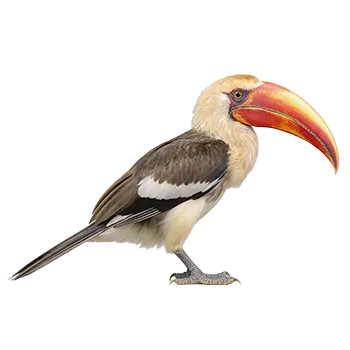
The Red-Billed Hornbill is an omnivorous species native to the dry savannas and open woodlands of sub-Saharan Africa, and its diet in the wild reflects the opportunistic feeding strategy that has made the genus Tockus so successful across arid landscapes. In their natural habitat, these hornbills consume a shifting mix of insects, arachnids, small vertebrates, fruit, seeds, and occasionally carrion, adjusting proportions seasonally based on availability. Replicating this dietary breadth in captivity is the central challenge of feeding a Red-Billed Hornbill, and it requires a deliberate combination of commercial insectivore products, fresh produce, and live prey items.

Protein demands are substantial for this species, particularly during breeding season, juvenile growth, and feather molt. Insects make up the largest share of the wild diet during the dry season when fruit is scarce, and captive birds retain a strong drive to hunt and consume invertebrates. Without adequate animal protein, Red-Billed Hornbills can develop muscle wasting, poor feather quality, and compromised immune function. The protein fraction of the diet should be built around gut-loaded live insects and a high-quality commercial insectivore or softbill pellet, with occasional offerings of pinky mice or small pieces of cooked egg for variety.

Calcium and phosphorus balance is a persistent concern with insectivore species. Most commercially raised feeder insects have an inverted calcium-to-phosphorus ratio, meaning they provide abundant phosphorus but very little calcium unless they have been dusted or gut-loaded with a calcium-rich substrate. Red-Billed Hornbills that receive unfortified insects as a dietary staple are at risk of metabolic bone disease, a condition that weakens the skeleton and can deform the casque and bill over time. Every insect feeding should involve either calcium dusting or verified gut-loading to correct this imbalance.

Vitamin A is essential for maintaining the vivid red coloration of the bill, healthy respiratory mucosa, and robust immune defenses. Hornbills fed monotonous diets low in carotenoids frequently show faded bill color and increased susceptibility to respiratory infections. Fresh foods rich in beta-carotene, such as papaya, mango, sweet potato, and red bell pepper, should appear in the diet daily. A well-formulated softbill pellet will contribute additional vitamin A, but whole-food sources remain important for delivering the full spectrum of carotenoid compounds.

What to Look For

Selecting food products for a Red-Billed Hornbill requires thinking beyond standard parrot nutrition. This is a softbill species with a digestive system adapted for processing insects and soft fruits rather than hard seeds and dry pellets alone. The foundation of the commercial diet should be a formulated insectivore or softbill pellet that lists whole insect meal, dried fruit, or egg protein among its first ingredients rather than corn gluten, soy isolate, or refined starches. These pellets are typically softer and more crumbly than parrot pellets, which suits the hornbill's feeding style of tossing food items to the back of the throat.

Ingredient transparency matters. Products that list vague terms like animal by-products or plant protein without specifying the source are generally lower in quality than those that name their ingredients precisely. Look for pellets that identify the insect species used, the fruit varieties included, and the vitamin premix composition. Iron content is another detail worth checking, as hornbills are susceptible to iron storage disease, a condition in which excess dietary iron accumulates in the liver and other organs. Products formulated for softbills and toucans typically manage iron levels more carefully than generic bird foods, and any pellet chosen for a hornbill should contain less than 100 parts per million of iron.

For live and dried insect products, sourcing quality is paramount. Feeder insects should come from reputable breeders who raise their stock on clean substrates and avoid pesticide-contaminated feed. Crickets, mealworms, waxworms, and dubia roaches are the most commonly available feeder insects, and each has a distinct nutritional profile. Dried insect products can supplement live offerings but should not replace them entirely, since the act of hunting and catching live prey provides critical behavioral enrichment that dried products cannot.

Fresh produce should be evaluated for pesticide residue and freshness. Organic fruits and vegetables reduce the risk of pesticide exposure, which is particularly important for a species with a relatively small body mass and correspondingly lower tolerance for chemical contaminants. When organic produce is not available, thorough washing and peeling can reduce residue levels. Frozen fruit and vegetable blends designed for smoothies can serve as a convenient backup supply, provided they contain no added sugars, citric acid preservatives, or artificial flavors.

Recommended Diet Components

A well-structured Red-Billed Hornbill diet consists of three major components offered in balanced proportions: a commercial softbill or insectivore pellet, live and dried insects, and fresh fruits and vegetables. The pellet component should account for roughly thirty to forty percent of the daily intake by volume, providing a nutritional baseline that ensures consistent vitamin and mineral delivery regardless of variation in the fresh food and insect offerings.

Commercial softbill pellets designed for iron-sensitive species are the preferred choice. These low-iron formulations were originally developed for toucans and mynahs but are equally appropriate for hornbills, which share the same vulnerability to hepatic iron accumulation. The pellets should be offered in a shallow dish that allows the hornbill to pick up individual pieces and toss them, mimicking its natural feeding behavior. Pellets that are too large can be broken into smaller pieces, though most softbill-specific products are already sized appropriately for medium-bodied birds.

The insect component should represent approximately thirty to forty percent of the diet and should include a rotation of species to ensure nutritional diversity. Crickets are the most balanced feeder insect in terms of protein and fat content and should form the backbone of the insect rotation. Black soldier fly larvae offer an exceptionally high calcium content compared to other feeder insects, making them a valuable addition for supporting bone and bill health. Mealworms and superworms are higher in fat and should be offered in smaller quantities, while waxworms are best reserved as occasional treats due to their very high fat content.

Fresh fruits and vegetables should make up the remaining twenty to thirty percent of the diet. Tropical fruits such as papaya, mango, banana, and figs are readily accepted and provide natural sugars, fiber, and vitamins. Berries including blueberries, raspberries, and blackberries are excellent sources of antioxidants. Vegetables like diced sweet potato, shredded carrot, and finely chopped leafy greens add mineral density and dietary fiber. The fresh food offering should change daily to encourage dietary flexibility and prevent the bird from fixating on a narrow range of preferred items.

Live Insect Selection and Preparation

Live insects are not merely a food source for the Red-Billed Hornbill but a fundamental component of the bird's behavioral repertoire. In the wild, these hornbills spend a significant portion of their active hours foraging on the ground and in low vegetation for beetles, grasshoppers, termites, scorpions, and other invertebrates. Providing live insects in captivity satisfies the hunting instinct and delivers animal protein in its most bioavailable form. The quality of the insects matters as much as the quantity, and keepers should invest in proper gut-loading and supplementation protocols.

Gut-loading is the practice of feeding nutritious foods to feeder insects for at least twenty-four to forty-eight hours before they are offered to the bird. Crickets and roaches gut-loaded on a mixture of calcium-fortified commercial gut-load powder, fresh vegetables, and ground whole grains become significantly more nutritious than those fed on cardboard or bran alone. The gut contents of the insect effectively become part of the hornbill's meal, so the quality of the gut-load directly influences the nutritional value the bird receives.

Calcium dusting provides an additional layer of mineral supplementation. A light coating of calcium carbonate powder with added vitamin D3 applied to insects immediately before feeding ensures that every insect delivers a measurable dose of calcium. The dusting should be light enough that the insects remain mobile and attractive to the bird, as heavily coated insects that cannot move are less likely to trigger the hornbill's predatory feeding response. Some keepers alternate between calcium dust and a complete vitamin-mineral powder on different days to avoid over-supplementation of any single nutrient.

Variety in insect species is important for providing a range of amino acids, fats, and micronutrients. Dubia roaches are increasingly popular due to their high protein content, low odor, and inability to climb smooth surfaces, which prevents escapes. Phoenix worms, the larvae of the black soldier fly, naturally contain high levels of calcium and require no additional dusting, making them an especially convenient option. Silkworms are an excellent low-fat, high-protein feeder that many hornbills accept eagerly, though their availability can be seasonal depending on the supplier.

Treats and Supplements

Treats for the Red-Billed Hornbill should reinforce the bond between keeper and bird while contributing meaningfully to the overall diet rather than undermining it with empty calories. Waxworms and mealworm pupae are high-value treats that most hornbills find irresistible, and their soft texture makes them easy to hand-feed during training sessions. Small pieces of ripe mango, papaya, or grape can also serve as effective rewards, especially for birds that have developed a strong preference for fruit.

Nut fragments are occasionally offered to hornbills, but their role in the diet is less central than it is for parrots. Red-Billed Hornbills do consume seeds in the wild, but they are not equipped to crack hard-shelled nuts the way psittacines are. If nuts are offered, they should be unsalted, shelled, and broken into small pieces. Pine nuts, slivered almonds, and crushed peanuts are the easiest options for hornbills to consume, and they provide healthy fats and additional protein. These should be offered sparingly, as the insect and pellet components of the diet already provide adequate fat.

Calcium supplementation beyond gut-loading and dusting may be necessary for breeding females, growing juveniles, and birds recovering from nutritional deficiencies. Liquid calcium gluconate preparations designed for reptiles or birds can be administered orally or mixed into soft food under veterinary guidance. Calcium-enriched gels and pastes marketed for insectivorous birds offer another delivery method and are particularly useful for birds that refuse to eat dusted insects. Cuttlebone can be offered as a supplemental calcium source, though many hornbills show limited interest in gnawing on it compared to parrots.

Vitamin and mineral supplements should be used with restraint and ideally under the direction of an avian veterinarian familiar with softbill species. Over-supplementation is a genuine risk, particularly with fat-soluble vitamins and iron. A hornbill receiving a balanced diet of low-iron softbill pellets, gut-loaded and dusted insects, and varied fresh produce typically does not require additional multivitamin supplementation. Targeted supplementation of specific nutrients may be appropriate during molt, breeding, illness recovery, or dietary transitions, but blanket daily multivitamin use can create more problems than it solves.

Foods to Avoid

Iron-rich foods represent the most significant dietary danger for the Red-Billed Hornbill. Like toucans, mynahs, and other softbill species, hornbills are highly susceptible to iron storage disease, a condition in which excess dietary iron is absorbed and deposited in the liver, heart, and other organs, eventually leading to organ failure. Foods with high iron concentrations, including red meat, liver, spinach, and iron-fortified cereals or breads, must be strictly excluded from the diet. Even seemingly benign offerings like raisins and dried apricots contain concentrated iron levels that can contribute to accumulation over time.

Citrus fruits and other highly acidic foods enhance iron absorption in the digestive tract and should be avoided or offered only in very small quantities. Oranges, grapefruits, lemons, limes, tomatoes, and pineapple all increase the bioavailability of non-heme iron from other foods consumed at the same meal. This interaction means that a hornbill eating a softbill pellet alongside orange slices will absorb more iron from the pellet than it would without the citrus, compounding the risk. Vitamin C supplements should similarly be avoided unless specifically prescribed by an avian veterinarian who is monitoring the bird's iron levels through blood work.

The standard list of avian toxins applies equally to hornbills. Avocado contains persin, which causes cardiac failure in birds. Chocolate and caffeine introduce theobromine and methylxanthines that disrupt cardiac rhythm and can be lethal in small doses. Onion and garlic contain organosulfur compounds that damage red blood cells. Alcohol, even in small amounts, overwhelms the avian liver. These substances must never be offered intentionally, and care should be taken to prevent accidental exposure when the bird is outside its enclosure.

Processed human foods are inappropriate for hornbills even when they contain ingredients that might seem harmless in isolation. Bread, crackers, chips, cooked pasta, and similar starchy foods offer little nutritional value and can displace the nutrient-dense items the bird actually needs. High-sodium foods stress the kidneys, and sugary foods promote yeast and bacterial overgrowth in the crop. Dairy products are poorly digested by birds, which lack the enzyme lactase needed to process milk sugars. The safest policy is to limit the bird's diet to products and whole foods specifically selected for their nutritional contribution to a softbill species.

Feeding Schedule and Presentation

Red-Billed Hornbills are most active during the early morning and late afternoon, and the feeding schedule should align with these natural activity peaks. The morning meal is typically the largest and most varied, consisting of a dish of softbill pellets, a serving of chopped fresh fruit and vegetables, and the first offering of live insects. Presenting the most nutritionally important items early in the day ensures the bird consumes them when hunger is highest and before it has the opportunity to fill up on preferred treats.

Live insects can be offered in two or three separate sessions throughout the day rather than all at once. Spreading insect feedings across multiple intervals extends the bird's foraging engagement and prevents it from gorging on insects early and then ignoring the pellet and produce components. Some keepers scatter a portion of the insects across the enclosure floor or hide them in foraging substrates to encourage natural ground-foraging behavior, which is a dominant feeding strategy for wild Red-Billed Hornbills.

Fresh food should be removed within a few hours of serving to prevent spoilage, particularly in warm environments where fruit and insects decompose rapidly. Pellets can remain available longer but should be replaced daily to ensure freshness and prevent mold growth. Water must be available at all times in a clean dish or bottle, and it should be changed at least twice daily, as hornbills frequently dip food items in their water before swallowing, which quickly contaminates the supply.

Portion sizing should be monitored against the bird's body weight and condition. An adult Red-Billed Hornbill in good condition typically consumes between forty and sixty grams of food daily across all categories, though this varies with activity level, ambient temperature, and reproductive status. Weekly weigh-ins using a digital gram scale provide the most reliable way to track whether the bird is maintaining a healthy weight. Gradual weight loss may indicate insufficient caloric intake or underlying illness, while steady weight gain in a non-breeding bird suggests the diet is too calorie-dense or portions are too generous.

Dietary transitions should be managed gradually over a period of two to four weeks. Birds accustomed to a seed-heavy or monotonous diet will not immediately accept unfamiliar softbill pellets, live insects, or diverse produce. Mixing new items into familiar foods, reducing preferred items incrementally, and offering novel foods at peak hunger times are all effective transition strategies. Patience is essential during this process, as forcing an abrupt dietary change can cause stress-related food refusal and weight loss.

Always consult a qualified professional before making any health-related decisions. This content is provided for informational reference only and should not replace professional guidance specific to your animal.