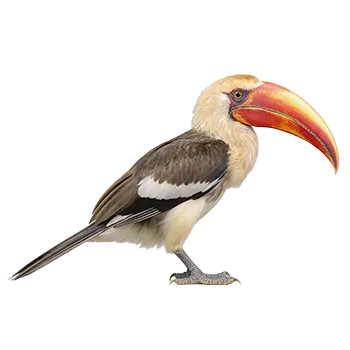

Environmental Monitoring Systems

Maintaining the correct temperature, humidity, and air quality in a Red-Billed Hornbill enclosure is critical to the bird's health, and environmental monitoring technology transforms this task from guesswork into data-driven management. The species originates from warm, semi-arid African savannas where daytime temperatures routinely reach the mid-eighties Fahrenheit and humidity hovers between thirty and fifty percent, and deviations from these conditions in captivity can trigger respiratory disease, feather problems, and immune suppression. Continuous monitoring catches environmental drift before it reaches harmful levels and alerts the keeper to equipment failures that might otherwise go unnoticed for hours.

Digital hygrometer-thermometer combination units are the entry-level monitoring tool for any hornbill enclosure. These battery-powered devices display real-time temperature and relative humidity on a small screen and typically record the daily high and low values for each parameter. Placing at least two units in the aviary, one at perch height and one near the floor, reveals the vertical temperature and humidity gradient within the enclosure, which is often more variable than keepers expect. The most useful models include a probe on a cable that allows the sensor to be positioned inside the enclosure while the display remains outside for easy reading without disturbing the bird.

Wireless sensor networks represent a significant upgrade over standalone monitors. Systems built around WiFi-connected or Bluetooth-enabled sensors transmit data to a smartphone app or web dashboard, allowing the keeper to check conditions remotely and receive push notifications when temperature or humidity crosses user-defined thresholds. Multiple sensors deployed throughout the aviary and in any connected indoor shelter create a comprehensive environmental picture that updates in real time. Historical data logging, available in most wireless platforms, enables the keeper to review trends over days, weeks, or months and correlate environmental patterns with behavioral observations or health events.

Air quality monitoring adds a layer of protection that temperature and humidity sensors alone cannot provide. Volatile organic compounds from cleaning products, off-gassing from new materials, and particulate matter from substrate dust all pose risks to the sensitive avian respiratory system. Air quality monitors that detect VOC levels, carbon dioxide concentration, and fine particulate matter help identify air quality problems before they cause clinical symptoms. Elevated carbon dioxide in a poorly ventilated indoor aviary, for example, may manifest as lethargy and reduced appetite in the bird, symptoms that are easily attributed to other causes unless the keeper has the data to recognize the environmental origin.

Camera and Observation Technology

Remote observation cameras allow keepers to monitor their Red-Billed Hornbill's behavior, activity patterns, and health status without physically entering the aviary space. This capability is particularly valuable for breeding pairs, where human presence near the nest can cause the female to delay sealing or the male to interrupt feeding routines, and for newly acquired birds that are still acclimating to their environment and may behave differently when a person is present versus absent.

WiFi-connected cameras with smartphone app integration are the most practical option for most keepers. These cameras stream live video to a mobile device and record footage to a cloud server or local memory card for later review. Features worth prioritizing for aviary use include night vision for observing roosting behavior in darkness, two-way audio for voice-based interaction with a trained bird, and motion detection that flags activity during unexpected hours, which could indicate distress, escape attempts, or predator intrusion in outdoor aviaries. Wide-angle lenses are preferred over narrow-field models because they capture more of the enclosure in a single view.

Camera placement must account for the hornbill's curiosity and destructive capabilities. Any camera mounted inside the enclosure will attract the bird's attention and likely become a target for investigation, bill strikes, and attempted dismantlement. Mounting cameras outside the mesh, either in weatherproof housings for outdoor aviaries or on shelves and brackets for indoor setups, keeps the equipment out of the bird's reach while maintaining a clear line of sight into the enclosure. If interior mounting is necessary, such as a nest box camera for monitoring breeding activity, the camera should be recessed into a protective housing with a clear window that prevents direct bill contact.

Nest box cameras are a specialized application that provides invaluable data during the breeding process. A small camera installed inside the nest box, ideally before the female enters and seals the cavity, captures the entire incubation, hatching, and chick-rearing sequence without requiring the keeper to open the nest and risk disturbing the sensitive breeding process. Infrared cameras are essential for this application because the sealed nest box interior is completely dark. The feed from a nest box camera allows the keeper to confirm egg laying, monitor incubation behavior, observe chick development, track the male's food delivery frequency, and identify potential problems such as egg abandonment or chick mortality without any physical intrusion.

Digital Scales and Weight Tracking

Routine weight monitoring is widely regarded as the single most effective early-warning system for health problems in captive birds, and the Red-Billed Hornbill is no exception. Birds instinctively conceal signs of illness to avoid attracting predators, and by the time behavioral symptoms like fluffed feathers, reduced activity, or appetite loss become apparent, the disease process may be significantly advanced. Weight changes, by contrast, often precede visible symptoms by days or weeks, and a reliable scale combined with consistent weighing protocols gives the keeper a quantitative baseline against which deviations become immediately detectable.

A digital platform scale with a capacity of at least two thousand grams and a resolution of one gram is the standard tool for weighing medium-sized softbill species. Kitchen scales in this range are widely available and affordable, and most models include a tare function that zeroes out the weight of a perch or container placed on the platform, isolating the bird's weight. A T-perch mounted on the scale platform allows the bird to step up and stand comfortably during the weighing process, producing more consistent readings than attempting to weigh the bird in a container or while restrained.

Training the hornbill to step onto the scale voluntarily eliminates the stress, handling risk, and inaccurate readings associated with capture-based weighing. The training process follows the same positive reinforcement principles used for target training and carrier training. The scale is introduced as a neutral object in the bird's environment, then associated with high-value food rewards when the bird approaches and eventually stands on it. Most hornbills can be trained to station reliably on a scale perch within two to four weeks of daily sessions. Once the behavior is established, weighing becomes a quick, stress-free routine that can be performed daily without disrupting the bird's normal activities.

Weight data should be recorded consistently and reviewed for trends rather than interpreted as isolated data points. A single day's weight can fluctuate based on crop contents, hydration status, and time of day, so readings taken under standardized conditions, such as every morning before the first feeding, produce the most meaningful trend data. A simple spreadsheet or dedicated avian health tracking application that charts weight over time makes it easy to spot gradual trends that would be invisible in a table of raw numbers. A sustained downward trend of more than five percent of baseline body weight warrants veterinary evaluation even if the bird appears clinically normal, as this level of loss is rarely attributable to normal variation.

Automated Climate Control

Automated climate control systems take the manual effort out of maintaining optimal environmental conditions and provide protection against dangerous temperature and humidity excursions caused by equipment failure, weather events, or keeper absence. For a species like the Red-Billed Hornbill that requires warm, moderately dry conditions within a relatively narrow range, automation can mean the difference between a minor fluctuation and a life-threatening environmental event.

Thermostat-controlled heating systems are the most fundamental automation component. A digital thermostat connected to a ceramic heat emitter, radiant panel heater, or forced-air heater maintains the target temperature by cycling the heating element on and off based on real-time sensor readings. Proportional thermostats that modulate power output rather than simply switching between full on and full off produce more stable temperatures and extend the service life of heating elements. The thermostat sensor should be positioned at the bird's primary perching height, where temperature most directly affects the bird, rather than at the floor or ceiling, where readings may not reflect the conditions the bird actually experiences.

Humidistat-controlled misting or humidification systems maintain the target humidity range with similar automated precision. A humidistat connected to a room humidifier, a misting nozzle system, or a fogger activates the moisture source when humidity drops below the set point and deactivates it when the target is reached. For indoor aviaries in dry climates or heated buildings, this automation prevents the chronic low humidity that causes feather brittleness and respiratory irritation. The humidistat sensor should be shielded from direct mist contact to prevent false readings, and the system should include a high-humidity cutoff to prevent oversaturation that promotes mold growth.

Integrated smart home platforms that combine temperature, humidity, lighting, and ventilation control under a single interface represent the most advanced level of aviary automation currently available to private keepers. Systems built on platforms such as Home Assistant, SmartThings, or Apple HomeKit can coordinate multiple devices using conditional logic. A rule that increases ventilation fan speed when the temperature sensor reads above eighty-eight degrees while simultaneously reducing the output of the ceramic heater demonstrates the kind of coordinated response that manual management struggles to achieve consistently. These platforms also provide historical data logging, remote access, and push notifications that alert the keeper to any condition that falls outside the defined parameters.

Backup power is a critical complement to any automated climate system. A power outage during a cold night can cause temperatures in an indoor aviary to drop below safe levels within hours, and heating systems are useless without electricity. An uninterruptible power supply sized to run essential heating and monitoring equipment for several hours provides a buffer during short outages, while a generator capable of powering the full aviary system is advisable for keepers in areas prone to extended power interruptions. At minimum, a battery-powered temperature alarm that sounds when conditions reach dangerous levels gives the keeper warning to take emergency action even if automated equipment fails.

Lighting Timers and UV Management

Automated lighting control ensures the Red-Billed Hornbill receives a consistent, species-appropriate photoperiod without relying on the keeper's daily intervention. Manual light switching inevitably produces inconsistencies in on-off timing that can disrupt the bird's circadian rhythm, affecting sleep quality, hormonal cycles, and molt timing. Digital timers and smart plugs eliminate this variability by executing a precise lighting schedule every day regardless of the keeper's activities or presence.

Programmable dimmers paired with full-spectrum avian lighting create naturalistic dawn and dusk transitions that benefit the bird's physiological and behavioral rhythms. A gradual fifteen to twenty minute ramp-up from darkness to full brightness in the morning allows the bird to wake naturally and begin its activity cycle without the abrupt disruption of a sudden light switch. The evening ramp-down provides a similar transition period during which the bird can settle onto its roosting perch and prepare for sleep. Dimmer modules compatible with the specific lighting fixtures in use are available in both inline and wall-mounted configurations, and many models integrate with smart home platforms for remote scheduling and adjustment.

UV output management is a technical concern that many keepers overlook. Avian full-spectrum fluorescent tubes and LED panels are rated for a specific number of operating hours before their UVB output declines below the effective threshold for vitamin D3 synthesis, even though the visible light they produce may remain apparently normal for much longer. Tracking bulb hours using a timer or logging system and replacing bulbs according to the manufacturer's recommended schedule ensures the bird continues to receive meaningful UVB exposure throughout the bulb's effective life. Most avian UVB bulbs require replacement every six to twelve months depending on the technology and daily operating hours.

UV radiometers provide direct measurement of UVB irradiance at the bird's perching level, eliminating guesswork about whether the lighting system is delivering adequate ultraviolet exposure. These handheld instruments measure the intensity of UVB radiation in microwatts per square centimeter and allow the keeper to verify that the light fixture is positioned at the correct distance from the perch and producing the expected output. A reading taken monthly and compared against the initial baseline reading when the bulb was new reveals the rate of UVB decay for that specific fixture and environment, informing replacement timing more accurately than manufacturer estimates alone.

Seasonal photoperiod adjustments can be automated using astronomical timer programs that calculate sunrise and sunset times for a given latitude and adjust the lighting schedule throughout the year. For a species like the Red-Billed Hornbill, which inhabits latitudes where day length varies only modestly, the timer can be set to the coordinates of the species' native range to replicate the photoperiod cycle those populations experience naturally. This approach provides the subtle seasonal cues that influence breeding readiness and molt timing without the extreme day-length swings that occur at higher latitudes and can disrupt the bird's endocrine regulation.

Health Tracking and Data Management

Digital health tracking systems consolidate the various data streams generated by environmental sensors, weight logs, feeding records, and veterinary visits into a unified record that reveals patterns and correlations invisible in isolated data sets. A hornbill keeper who records only weight, for example, may notice a downward trend but cannot easily determine whether it correlates with a temperature drop in the aviary, a change in food brand, or a seasonal shift in the bird's activity level. Integrated data management makes these connections visible and supports more informed care decisions.

Spreadsheet applications remain the most accessible data management tool for individual keepers. A well-structured spreadsheet with separate tabs for weight history, environmental data, dietary records, behavioral observations, and veterinary notes allows the keeper to build a longitudinal health profile that can be shared with veterinarians and other caregivers. Charts generated from the weight and environmental data tabs provide visual trend analysis at a glance. Template spreadsheets designed specifically for avian record-keeping are available from avicultural societies and can be adapted for hornbill-specific parameters.

Dedicated avian management software offers more sophisticated data handling than spreadsheets for keepers with multiple birds or complex breeding programs. These applications, available as desktop programs and mobile apps, provide structured data entry forms, automatic trend charting, medication and treatment scheduling with reminders, breeding record management, and the ability to generate reports formatted for veterinary review. Some platforms support cloud synchronization, allowing data to be accessed and updated from multiple devices and shared with veterinarians or fellow keepers in real time.

Photo and video documentation supplements numerical data with visual evidence that can be invaluable for tracking feather condition, bill wear, physical development, and behavioral changes over time. A monthly photograph of the bird taken from consistent angles under consistent lighting creates a visual timeline that captures gradual changes in plumage, body condition, and overall appearance that are difficult to quantify numerically. Video clips of the bird's typical activity, feeding behavior, and vocalizations establish a behavioral baseline that helps identify deviations when the bird is unwell. Storing these files in a dated folder structure linked to the bird's identification number integrates them into the broader health record.

Data sharing with the avian veterinarian enhances the quality of veterinary care the bird receives. A keeper who arrives at an appointment with printed weight charts, environmental data summaries, and dietary records provides the veterinarian with context that dramatically improves diagnostic accuracy and treatment planning. Many avian veterinarians now accept electronic records via email or patient portal, and some can integrate keeper-generated data directly into the bird's clinical file. This collaborative approach, in which the keeper provides continuous observational data and the veterinarian provides medical expertise, produces the best health outcomes for species like the Red-Billed Hornbill that require specialized knowledge to manage effectively.

Security and Safety Devices

Security technology protects the Red-Billed Hornbill from escape, predator intrusion, theft, and environmental hazards that could endanger the bird or compromise the enclosure. The value of a captive hornbill, combined with the difficulty of replacing a lost or stolen specimen, justifies a level of security investment that goes beyond what most conventional pet keeping requires.

Door and hatch alarms provide immediate notification if an enclosure access point is opened unexpectedly. Magnetic contact sensors mounted on aviary doors, service panels, and nest box inspection hatches trigger an audible alarm and a smartphone notification when the magnetic contact is broken. These sensors are inexpensive, battery-powered, and widely available as components of home security systems. For outdoor aviaries, the alarm system should cover every access point including service gates, feeding ports, and any removable panels, since predators like raccoons are capable of manipulating simple latches and unsecured openings.

Motion-activated deterrents protect outdoor aviaries from nocturnal predators without requiring the keeper's physical presence. Infrared motion sensors connected to floodlights, sprinkler valves, or audible alarms can startle and discourage raccoons, opossums, feral cats, snakes, and raptors that approach the aviary perimeter after dark. Solar-powered motion-activated lights are a low-maintenance option for remote aviary locations without convenient electrical access. The deterrent devices should be positioned to cover the aviary perimeter rather than the interior to avoid startling the hornbill itself.

Smoke detectors and carbon monoxide alarms installed in or near the aviary room are essential safety devices that protect both the bird and the keeper. Birds are extraordinarily sensitive to airborne toxins due to their highly efficient respiratory system, and they will succumb to smoke, carbon monoxide, or toxic fumes well before a human in the same space shows symptoms. Early detection and alarm activation give the keeper time to evacuate the bird before conditions become lethal. Interconnected alarm systems that trigger all units when any single detector activates ensure that an alarm in the aviary room is heard throughout the residence, even during sleeping hours.

Power failure notification systems alert the keeper when electrical supply to the aviary is interrupted, enabling rapid response before temperatures or other environmental conditions deteriorate to dangerous levels. Smart plugs with power-loss notification capabilities send a push alert to the keeper's phone within seconds of losing power, and some models report when power is restored. For keepers who travel or are frequently away from home, this notification is the trigger to activate a backup plan, whether that means dispatching a caretaker to start a generator, bringing the bird indoors, or deploying supplemental heat sources. Combined with the automated climate control systems described earlier, power failure alerts close the last major gap in the environmental safety net surrounding the captive hornbill.

Always consult a qualified professional before making any health-related decisions. This content is provided for informational reference only and should not replace professional guidance specific to your animal.