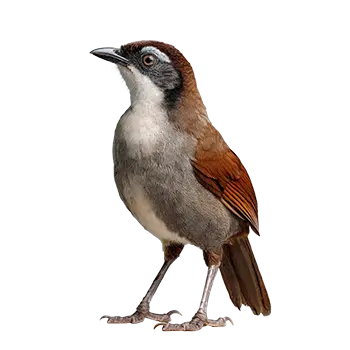

Housing Requirements

Laughing Thrushes are among the most active softbill species kept in captivity, and their housing must reflect the energy and movement patterns that define their daily behavior. In the wild, these birds occupy dense understory habitats where they move constantly through ground cover, low branches, and tangled vegetation in search of food. A housing setup that fails to provide adequate horizontal space, vertical complexity, and visual security will produce stressed, inactive birds that never display the exuberant behavior that makes this species so compelling.

The minimum enclosure for a pair of Laughing Thrushes should provide at least six feet of length, three feet of depth, and four feet of height. These dimensions represent the floor below which housing becomes genuinely inadequate rather than a target for optimal care. Serious keepers and breeders typically house Laughing Thrushes in walk-in aviaries or large planted flight enclosures that offer ten or more feet of horizontal flight distance. The emphasis on horizontal space over vertical height reflects the species' natural movement patterns, which favor low-level hopping, running, and short flights between perches rather than the vertical climbing behavior of parrots.

Social housing considerations are central to Laughing Thrush enclosure planning. Most species within this group are highly social and fare poorly when kept as solitary individuals. Pairs or small groups are the standard for captive management, and the enclosure must be large enough to allow birds to establish personal space within the group dynamic. Aggression can surface in enclosures that are too cramped for the number of occupants, particularly during breeding season when territorial behavior intensifies. Providing multiple feeding stations, perching zones, and visual barriers within the enclosure gives subordinate birds the ability to retreat from dominant individuals without being trapped.

Placement of the enclosure within the home or facility deserves careful thought. Laughing Thrushes are vocal birds that produce loud, carrying calls, particularly during the morning and evening activity peaks. Locating the enclosure away from bedrooms and shared walls reduces noise-related friction in residential settings. At the same time, these are social birds that benefit from regular human contact and visual stimulation, so isolating them in a garage or basement is counterproductive. A balance between accessibility and acoustic practicality serves both the birds and the household.

What to Look For in an Enclosure

Construction quality separates enclosures that last for years from those that deteriorate within a season. For Laughing Thrushes, the enclosure frame should be built from powder-coated steel, stainless steel, or aluminum rather than raw galvanized wire, which can cause zinc toxicity if birds chew on exposed surfaces. While Laughing Thrushes are not habitual chewers like parrots, they do interact with enclosure surfaces, and chronic low-level zinc exposure from galvanized mesh is a well-documented health risk in aviculture.

Mesh spacing is a safety-critical specification. For Laughing Thrushes, mesh openings should be no larger than half an inch by one inch to prevent escape and exclude predators and vermin. Smaller mesh openings also prevent wild birds from reaching through to access food, which is an important biosecurity consideration since wild birds can transmit diseases and parasites to captive stock. Hardware cloth with welded intersections is more durable and secure than woven mesh, which can be bent or pried apart at weak points.

Door design affects daily management more than most keepers anticipate before living with an enclosure. Laughing Thrushes are fast, agile birds that will exploit any opportunity to dart through an opening, making double-door entry systems essential for walk-in aviaries. The airlock created by two sequential doors gives the keeper a secure transition space where an escaped bird can be contained before it reaches the broader environment. For smaller flight cages, doors should be large enough to allow the keeper to reach all areas of the interior for cleaning and food placement without requiring the removal of perches or furnishings.

Drainage and waterproofing deserve evaluation even for indoor enclosures. Laughing Thrushes are enthusiastic bathers that splash water well beyond the confines of any bathing dish, and their fruit-heavy diet produces wet droppings that accumulate on floors and surfaces. An enclosure with a solid, waterproof floor pan that can be hosed down or a natural earthen floor with adequate drainage prevents moisture buildup that promotes bacterial growth and mold. Enclosures with wooden floors or unfinished wood components will absorb moisture and become unsanitary over time regardless of cleaning frequency.

Indoor Flight Cages and Outdoor Aviaries

Indoor flight cages serve keepers who lack the outdoor space or climate for a walk-in aviary but still want to provide their Laughing Thrushes with adequate room for active movement. The largest commercially available flight cages, typically measuring four to six feet in length, can accommodate a pair of smaller Laughing Thrush species provided the interior is thoughtfully arranged to maximize usable space. When selecting an indoor flight cage, prioritize length and depth over height. A cage that is six feet long and two feet deep provides more useful living space for a Laughing Thrush than a tall, narrow cage of the same total volume, because horizontal distance is what these birds actually use for locomotion.

Bar orientation is a subtle but meaningful consideration for indoor cages. Horizontal bars benefit climbing species like parrots but offer no advantage to Laughing Thrushes, which do not climb. Vertical bars or small-gauge welded mesh panels are preferable because they do not encourage the birds to cling to the sides in an unnatural posture and provide a cleaner visual field through the enclosure walls. Cage placement within the room also influences behavior: positioning against a solid wall on at least one side provides a visual refuge that reduces the startle response, and elevating the cage to waist height places the birds at a level where human activity is less intimidating than it would be at floor level.

An outdoor aviary represents the gold standard for Laughing Thrush housing, offering space, natural light, fresh air, and exposure to environmental stimuli that keep captive birds behaviorally and physiologically healthy. The aviary footprint should be as generous as the site allows, with a minimum recommendation of eight feet by four feet for a single pair and proportionally larger for groups. Rectangular or L-shaped designs are more functional than square layouts because they provide longer flight lines and create natural zones within the enclosure for feeding, bathing, roosting, and retreat. A covered section comprising at least one-third of the total aviary area provides shelter from rain, wind, and direct sun.

Roofing is mandatory for any Laughing Thrush aviary. A fully or partially solid roof prevents exposure to wild bird droppings, which are a primary vector for avian diseases and parasites. In regions where raptors are present, a solid roof also eliminates the stress response that captive birds experience when predatory silhouettes pass overhead. The aviary floor is a design decision with long-term maintenance implications: natural earth or turf floors create the most naturalistic environment and allow characteristic ground-foraging behavior, while concrete or paver floors with removable substrate trays offer easier cleaning and better hygiene control. Many experienced keepers compromise by using a concrete perimeter and drainage system with a central planted zone that provides natural substrate for foraging.

For keepers in four-season climates, the outdoor aviary must incorporate a sheltered section that can be heated during cold months. Most Laughing Thrush species originate from subtropical or tropical environments and should not be exposed to freezing temperatures without adequate shelter and supplemental heat. Ceramic heat emitters mounted in the protected portion provide radiant warmth without disrupting natural day-night cycles, and thermostatically controlled heating ensures consistent temperatures without manual intervention.

Substrate and Flooring

Substrate selection has an outsized impact on both the health and behavioral satisfaction of captive Laughing Thrushes. As dedicated ground foragers, these birds spend a significant portion of their active hours interacting with whatever covers the enclosure floor, making the substrate a functional component of the habitat rather than a simple aesthetic choice. The ideal substrate supports natural foraging behavior, maintains acceptable hygiene between cleanings, and does not pose ingestion risks.

Natural leaf litter is the substrate that most closely replicates wild conditions. Dried leaves from non-toxic tree species such as oak, beech, or maple create a loose, textured ground cover that Laughing Thrushes will enthusiastically rake through in search of food items hidden beneath. Leaf litter also harbors small invertebrates when used in outdoor aviaries, providing an additional natural food source. The drawback is that leaf litter decomposes, compacts over time, and can harbor mold if it remains damp, requiring regular replacement and monitoring for moisture levels.

Coconut coir and coconut husk chips offer a longer-lasting alternative to leaf litter with similar behavioral benefits. These substrates are naturally resistant to mold and bacterial growth, hold moisture without becoming waterlogged, and provide a texture that encourages digging and scratching. Coconut coir can be spread in a layer two to three inches deep and spot-cleaned daily, with a full replacement every two to four weeks depending on the number of birds and the enclosure size. The material is widely available in compressed bricks that expand with water, making storage and transport convenient.

Newspaper and paper-based substrates are the easiest option to maintain from a hygiene standpoint but offer the least behavioral value. Plain newsprint or unbleached paper towels can be layered on the enclosure floor and replaced daily, providing a clean, inexpensive, and easily monitored surface. For quarantine situations, post-surgical recovery, or any context where close monitoring of droppings is important, paper substrates are the appropriate choice. For long-term housing, however, paper deprives Laughing Thrushes of the ground-foraging opportunities that are central to their behavioral repertoire and should be replaced by more enriching alternatives as soon as the clinical need for paper has passed.

Perching and Interior Structure

The interior layout of a Laughing Thrush enclosure should create a multi-level environment with emphasis on the lower and middle zones where these birds are most comfortable. Natural branch perches of varying diameters are preferable to dowel rods or manufactured perches because they exercise the feet across different grip widths and replicate the irregular surfaces the birds encounter in the wild. Branches from fruit trees, willow, elm, and other non-toxic hardwoods are excellent choices, and their irregular shapes create visual interest as well as functional perching surfaces.

Perch placement should encourage movement without creating obstacles that interfere with flight paths. In a flight cage or aviary, the longest unobstructed flight line should remain clear of perches, with branches positioned along the sides and in the rear portion of the enclosure to create a circuit the birds can navigate without collision. Laughing Thrushes prefer perches at mid-height for daytime activity and higher perches for roosting at night, so arranging the interior with ascending perch levels toward the back of the enclosure satisfies both preferences.

Dense cover is a housing element that is often neglected but critically important for Laughing Thrush welfare. In the wild, these birds rely on thick vegetation for security, nesting, and rest. An enclosure without dense cover produces birds that are perpetually alert and never fully relaxed, which manifests as stress-related behaviors including feather plucking, excessive vocalization, and aggression. Artificial plants, bamboo screens, or bundles of natural branches tied together can create the visual density these birds require if live planting is not feasible. The cover should be positioned at mid-height and toward the rear or sides of the enclosure, leaving the front relatively open so the keeper can observe the birds without disturbing them.

Ground-level furnishings complete the interior landscape. Flat stones, sections of cork bark, and shallow trays filled with leaf litter create a varied ground surface that invites exploration. Low stumps or horizontal logs placed directly on the substrate give the birds elevated vantage points at the ground level they prefer, and the spaces beneath these items provide hiding spots that subordinate birds can use for retreat. The overall effect should be a layered, textured environment that offers choices at every level rather than an empty box with a few perches.

Climate Control and Ventilation

Temperature management is a primary concern for Laughing Thrush keepers in temperate climates, as most species within this group originate from subtropical or tropical environments and lack the physiological adaptations to tolerate prolonged cold. The general comfort range for most captive Laughing Thrush species falls between sixty and eighty-five degrees Fahrenheit, with nighttime temperatures ideally staying above fifty degrees. Species from higher-altitude habitats, such as certain Himalayan Laughing Thrushes, tolerate somewhat cooler conditions, but even these hardier species should not be exposed to freezing temperatures without adequate shelter and supplemental heat.

For indoor housing, maintaining stable temperatures is typically straightforward with standard home climate control, but humidity management deserves more attention than most keepers give it. Laughing Thrushes evolved in humid forest environments and do best with ambient humidity levels between fifty and seventy percent. Forced-air heating systems in winter can drop indoor humidity to twenty or thirty percent, which dries mucous membranes, degrades feather condition, and increases susceptibility to respiratory infection. Room humidifiers or whole-house humidification systems offset this seasonal drop and benefit both the birds and the keeper's own comfort.

Ventilation is the complement to temperature control and equally important for respiratory health. Stagnant air allows ammonia from droppings, mold spores from damp substrate, and airborne pathogens to accumulate at concentrations that damage the avian respiratory system, which is significantly more sensitive than that of mammals. Indoor enclosures benefit from low-speed fans that circulate air without creating drafts, and outdoor aviaries should be oriented to take advantage of prevailing breezes while using solid panels to block direct wind exposure. The goal is gentle, continuous air movement that keeps the environment fresh without subjecting the birds to cold drafts or turbulence.

Seasonal transitions require proactive management rather than reactive adjustment. As outdoor temperatures drop in autumn, the heated shelter in an outdoor aviary should be activated before the first cold snap rather than after the birds have already experienced a stressful temperature plunge. Similarly, the shift from winter heating to summer ventilation should be gradual, with supplemental heat phased out as daytime temperatures stabilize within the comfort range. Keepers who monitor temperature data over multiple seasons develop an intuitive sense of when these transitions should begin, but a thermometer with daily high-low recording provides the objective data needed to make well-timed decisions.

Cleaning and Maintenance

A sustainable cleaning routine is the foundation of long-term enclosure management, and the best routine is one that the keeper can maintain consistently without it becoming so burdensome that corners get cut. Daily tasks should include removing uneaten fresh food before it spoils, spot-cleaning visible droppings from perches and high-traffic surfaces, refreshing water in bathing and drinking vessels, and a quick visual inspection of the enclosure for damage, wear, or anything that could pose a safety risk. These daily tasks take ten to fifteen minutes for a typical Laughing Thrush enclosure and prevent the accumulation of hygiene problems that require more intensive intervention later.

Weekly maintenance extends to a thorough substrate change or deep spot-clean, depending on the substrate type in use. Loose substrates like leaf litter and coconut coir should be raked, with visibly soiled sections removed and replaced with fresh material. Food and water dishes should be scrubbed with a bird-safe disinfectant, rinsed thoroughly, and dried before refilling. Perches and interior furnishings should be inspected for droppings buildup and scrubbed or replaced as needed. Weekly cleaning is also the appropriate interval for wiping down enclosure walls, mesh panels, and door hardware with a damp cloth to remove dust and organic residue.

Monthly deep cleaning involves removing the birds to a temporary holding enclosure and cleaning the entire habitat from top to bottom. All substrate should be replaced, all perches and furnishings removed and scrubbed or steam-cleaned, and all enclosure surfaces disinfected with an avian-safe product. This is also the time to inspect mesh for rust, corrosion, or damage that could allow escape or injury, check door latches and hinges for proper function, and assess the condition of any heating or ventilation equipment. The monthly deep clean is the most disruptive part of the maintenance cycle, but it resets the enclosure to a baseline level of cleanliness that prevents chronic hygiene problems from developing.

Disinfectant selection matters more than many keepers realize. Common household cleaners contain volatile chemicals that are dangerous to birds, and even some products marketed as pet-safe can cause respiratory irritation in avian species. Veterinary-grade avian disinfectants based on quaternary ammonium compounds or accelerated hydrogen peroxide are effective against a broad range of pathogens while posing minimal risk to birds when used according to label directions and followed by thorough rinsing. Bleach solutions are effective disinfectants but must be used at the correct dilution and rinsed completely, as chlorine fumes are irritating to avian respiratory tissue. Regardless of the product chosen, the enclosure should be thoroughly aired before the birds are returned after any chemical cleaning.

Always consult a qualified professional before making any health-related decisions. This content is provided for informational reference only and should not replace professional guidance specific to your animal.