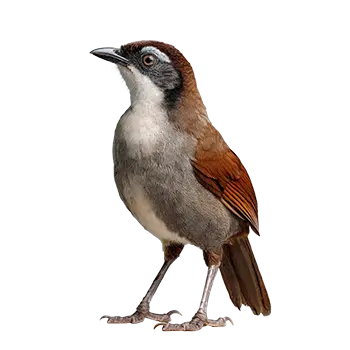

Essential Accessories Overview

Outfitting a Laughing Thrush enclosure with the right accessories transforms a basic cage or aviary from a container into a functional habitat. The accessories that matter most for this species are those that support the daily rhythms of feeding, bathing, resting, and maintenance, enabling the keeper to provide consistent, high-quality care without unnecessary complexity. Unlike parrots, which require an extensive array of perching hardware, climbing fixtures, and beak-conditioning accessories, Laughing Thrushes need a more ground-focused accessory set that reflects their terrestrial lifestyle and softbill dietary requirements.

The essential accessory inventory for a Laughing Thrush setup includes feeding stations designed for softbill diets, bathing vessels appropriate for vigorous water use, nesting and roosting materials for breeding pairs and overwintering birds, transport carriers for veterinary visits and relocations, lighting equipment that supports health and natural behavior, and a basic grooming and first-aid kit. Each of these categories contains product options that range from adequate to excellent, and understanding what distinguishes the two ends of that range prevents both overspending on unnecessary features and underspending on items where quality genuinely matters.

Investing in quality accessories at the outset is almost always more economical than replacing cheap items repeatedly. A stainless steel feeding station that costs three times as much as a plastic alternative will outlast dozens of plastic dishes, maintain hygiene more effectively, and never leach chemicals into food or water. The same principle applies across most accessory categories: transport carriers, lighting fixtures, and bathing equipment all benefit from an initial investment in durable, well-designed products that perform reliably over the long operational life of a Laughing Thrush collection.

Compatibility with the enclosure type should guide every accessory purchase. Accessories designed for wire cages may not mount properly in mesh aviaries, and items intended for small finch setups may be too flimsy or too small for the more robust Laughing Thrush. Before purchasing, verify that the accessory fits the physical dimensions of the enclosure, mounts securely without creating safety hazards, and can be removed for cleaning without disassembling the enclosure. Accessories that are difficult to install, remove, or clean will eventually be neglected, and neglected accessories become hygiene liabilities.

Feeding Stations and Dish Systems

Feeding station design has a direct impact on food hygiene, waste reduction, and the ease of daily maintenance. For Laughing Thrushes, the ideal feeding arrangement uses multiple ground-level or low-mounted dishes that separate different food types, preventing the moisture from fresh fruit from degrading dry softbill pellets and keeping live insects contained until consumed. A minimum of three dishes per pair of birds, allocated to dry food, fresh food, and live insects respectively, establishes a functional feeding layout that can be scaled up for larger groups.

Stainless steel dishes are the clear material choice for Laughing Thrush feeding stations. Stainless steel is non-porous, resistant to bacterial colonization, dishwasher safe, and impervious to the acids in fresh fruit that corrode cheaper metals and degrade plastic over time. Heavyweight stainless dishes with rubberized base rings resist tipping, which is an important consideration for birds that habitually perch on dish edges and hop into their food. Ceramic dishes are an acceptable alternative for fresh food service, offering weight and stability that prevent tipping, though they chip more easily and require inspection for cracks that can harbor bacteria.

Dish mounting systems vary in complexity and utility. For ground-feeding species like Laughing Thrushes, the simplest approach is often the best: heavy, flat-bottomed dishes placed directly on the enclosure floor or on a low platform. Cage-mounted coop cups that attach to wire panels are useful for water and dry food in smaller flight cages, keeping these items elevated above substrate level where they stay cleaner. In larger aviaries, dedicated feeding stations built from easy-to-clean shelving or platforms create organized feeding zones that the keeper can access, clean, and restock efficiently during daily maintenance rounds.

Insect feeding dishes deserve specific attention because the live insects that form a critical part of the Laughing Thrush diet behave differently from static food items. Smooth-sided ceramic or glass dishes with steep walls prevent mealworms and other feeder insects from climbing out and disappearing into the substrate before the birds have a chance to eat them. Dishes with an inward-curving rim are particularly effective at containing crickets, which are vigorous jumpers. Some keepers prefer to release live insects directly into foraging substrate rather than containing them in dishes, which provides excellent enrichment but makes it harder to monitor how much the birds actually consume.

Bathing Equipment

Bathing is a daily necessity for Laughing Thrushes rather than an occasional indulgence, and the equipment chosen for this purpose must withstand heavy, repeated use while remaining easy to clean and refill. The primary bathing vessel should be shallow enough for the birds to stand in comfortably, broad enough for vigorous splashing without immediately emptying, and heavy or stable enough to resist being flipped by a bird thrashing enthusiastically during a bath. Glazed ceramic dishes, heavy terracotta saucers, and shallow stoneware bowls all meet these criteria and come in a range of sizes suitable for different enclosure configurations.

Water depth is a safety consideration as well as a comfort one. Laughing Thrushes are not swimming birds, and the bathing vessel should hold no more than one to two inches of water at its deepest point. A gradual slope from edge to center allows birds to wade in at their preferred depth rather than stepping directly into water that may be deeper than expected. Purpose-built bird baths with textured bottoms provide traction on wet surfaces and reduce the risk of a bird slipping during vigorous bathing activity.

Drip and fountain attachments elevate the bathing experience and attract birds that might otherwise be reluctant bathers. A simple gravity-fed drip system, which can be as basic as a suspended water bottle with an adjustable valve, creates a steady drip onto a flat stone or into a shallow dish that many Laughing Thrushes find irresistible. The sound and visual movement of dripping water triggers a bathing response that still water alone may not provoke in some individuals. Small recirculating fountain units designed for tabletop use can be repurposed as aviary water features, provided the pump and electrical components are safely enclosed and the water reservoir is accessible for daily cleaning.

Mist bathing equipment provides an alternative or supplement to standing-water baths. A handheld plant misting bottle set to a fine spray can be used to mist the birds directly, which many Laughing Thrushes enjoy, spreading their wings and fluffing their feathers to maximize water contact. Automated misting systems designed for reptile enclosures can be adapted for aviary use, delivering timed misting sessions that maintain feather condition and ambient humidity simultaneously. In dry indoor environments, daily misting serves a dual purpose of enrichment and humidity management that benefits both the birds and the keeper.

Nesting and Roosting Accessories

Nesting accessories are essential for breeding pairs and beneficial even for non-breeding birds that use nest-like structures as roosting sites and security retreats. Laughing Thrushes in the wild build cup-shaped nests in dense vegetation, typically at low to moderate heights, using a foundation of twigs and leaves lined with finer materials such as rootlets, moss, and plant fibers. Captive nesting infrastructure should approximate these conditions by providing a stable platform or basket in a sheltered, densely planted area of the enclosure along with access to construction materials.

Wicker or bamboo nest baskets designed for canaries and finches can serve as foundations for Laughing Thrush nests, though the birds will heavily modify any provided structure with their own material additions. Baskets with an open top and a diameter of five to seven inches suit most Laughing Thrush species, though larger species may require proportionally larger platforms. Mounting the basket securely within dense foliage or behind a visual screen at mid-height in the enclosure replicates the semi-concealed nest placement that these birds prefer in the wild.

Nesting materials should be offered in a dedicated dispenser or scattered loosely in the enclosure for the birds to collect and arrange according to their own preferences. Appropriate materials include coconut fiber, dried moss, soft dried grasses, small twigs, cotton nesting pads, and sisal fibers. Avoid materials that can wrap around toes or legs, such as long threads, human hair, or yarn, which pose entanglement risks that can result in serious injury or loss of a limb. Offering a variety of textures allows the birds to construct a nest that meets their standards, and watching the construction process provides insight into the pair's breeding readiness and coordination.

Roosting accessories serve non-breeding birds and breeding pairs during the off-season. Laughing Thrushes prefer to roost in dense cover at moderate height, and a roosting box or dense cluster of branches positioned in the upper rear quadrant of the enclosure provides the security these birds seek at night. Enclosed roosting boxes designed for small softbills offer protection from drafts and a sense of enclosure that helps the birds settle for the night. In cooler climates, a roosting box positioned near a ceramic heat emitter creates a warm microclimate that the birds can access voluntarily during cold nights without being forced into proximity with the heat source.

Transport and Carrier Options

A suitable transport carrier is an accessory that every Laughing Thrush keeper needs and hopes to use infrequently. Veterinary visits, relocations, quarantine transfers, and emergency evacuations all require a carrier that keeps the bird secure, minimizes stress during transit, and prevents escape during loading and unloading. The carrier should be ready and accessible at all times rather than purchased as an afterthought when a veterinary emergency arises and every minute of delay adds to the bird's distress.

Small, solid-sided carriers designed for small dogs or cats work well for Laughing Thrush transport, provided the ventilation openings are small enough to prevent escape and the interior can be lined with a non-slip surface. Solid walls reduce visual stimulation during transit, which lowers stress for a species that reacts strongly to unfamiliar sights and movements. The carrier door should latch securely and open in a controlled manner that allows the keeper to reach in and retrieve the bird without creating an escape opportunity. Wire-front carriers with solid sides and top strike a good balance between ventilation and visual screening.

Dedicated bird transport boxes made from smooth-sided cardboard, corrugated plastic, or lightweight wood are preferred by many aviculturists for their simplicity and the calm environment they create. These boxes are typically dark inside with limited ventilation slots, which induces a roosting response in most birds and keeps them calm during transit. The trade-off is reduced airflow, which makes solid transport boxes unsuitable for long journeys or warm conditions without additional ventilation modifications. For short trips to the veterinarian, a well-ventilated cardboard box lined with a towel is often the most practical and least stressful transport option.

Carrier preparation before loading the bird makes the experience smoother for both parties. Line the carrier floor with a non-slip surface such as a rubber shelf liner or a towel to prevent the bird from sliding during vehicle movement. A small dish of water secured to the carrier floor is advisable for any trip longer than thirty minutes, as stressed birds can become dehydrated quickly. If the trip requires more than an hour of transit time, include a small portion of the bird's regular food. Cover the carrier with a light cloth to reduce visual stimulation, leaving ventilation openings clear, and secure the carrier in the vehicle with a seatbelt or wedge it between stable objects to prevent jarring movement.

Lighting and UV Equipment

Proper lighting is one of the most impactful and most frequently overlooked accessories in Laughing Thrush husbandry. Birds perceive a broader spectrum of light than mammals, including ultraviolet wavelengths that are filtered out by standard window glass and absent from conventional indoor lighting. Without access to full-spectrum light that includes UVA and UVB components, captive birds experience a degraded visual environment that affects their perception of food, plumage, and social signals, and they lose the ability to synthesize vitamin D3, which is essential for calcium metabolism.

Full-spectrum avian lighting fixtures that produce UVA and UVB output are available from specialist avian suppliers and some reptile equipment manufacturers. The fixture should be positioned within twelve to eighteen inches of the primary perching and activity area, as UV intensity drops sharply with distance from the source. The bulb must be outside the enclosure or protected by a guard to prevent direct contact, since UV bulbs produce heat at the surface and curious birds can burn themselves on an exposed lamp. Timer-controlled operation that provides ten to twelve hours of full-spectrum light followed by a complete dark period supports natural circadian rhythms and seasonal hormonal cycling.

UV bulb replacement schedules are stricter than most keepers realize. UV output from fluorescent and compact fluorescent bulbs degrades over time even though the visible light output appears unchanged to the human eye. Most manufacturers recommend replacement every six to twelve months, depending on the bulb type and daily operating hours, to ensure that UV output remains within the biologically useful range. Running a UV bulb beyond its effective lifespan provides the appearance of adequate lighting while delivering progressively less UV benefit, which is worse than not using a UV light at all because it creates a false sense of compliance.

Nighttime lighting should be minimal to absent. Laughing Thrushes require a period of genuine darkness for restful sleep and proper hormonal regulation. Ambient light from streetlights, hallway fixtures, or electronic devices can disrupt sleep patterns and contribute to chronic stress and reproductive dysfunction. Blackout covers for enclosures situated in rooms where ambient light cannot be fully controlled provide an effective solution. The cover material should be breathable to maintain air circulation while blocking light, and it should be installed so that it does not contact the enclosure mesh where birds might chew at it.

Grooming, Health, and Maintenance Accessories

A basic grooming and health accessory kit ensures the keeper is prepared for routine maintenance and minor health interventions without relying on emergency veterinary visits for issues that can be managed at home. The kit should be assembled before the birds arrive and stored in a clean, accessible location near the enclosure. Nail trimming equipment is the most frequently used grooming accessory, as Laughing Thrush nails grow continuously and can become overgrown in captive environments where the variety of perching surfaces may not provide sufficient natural wear. A pair of sharp, small-gauge nail clippers designed for birds, styptic powder for stopping bleeding in case of an overly close trim, and a small penlight for illuminating the quick inside lighter-colored nails constitute the nail care toolkit.

A basic first-aid kit for avian use should include styptic powder, antiseptic wound spray formulated for birds, sterile gauze pads, small adhesive bandage strips, blunt-tipped scissors, cotton-tipped applicators, and a digital gram scale for monitoring body weight. The gram scale is arguably the most important diagnostic tool in the kit, as weight monitoring is the most reliable early indicator of health problems in birds, which are physiologically programmed to conceal signs of illness until they are seriously compromised. Weighing each bird weekly and recording the results creates a baseline that makes subtle weight changes detectable before clinical symptoms appear.

Catching and restraint equipment facilitates safe handling during grooming, health checks, and emergency situations. A soft, lightweight net with a padded rim allows the keeper to catch a bird in a flight cage or aviary without chasing it into mesh panels or furniture, which can cause injury. A towel or soft cloth is essential for restraining the bird once caught, wrapping gently around the body to immobilize the wings while leaving the head free for examination. Practicing towel-wrapping technique before a high-stress situation arises is strongly recommended, as calm, efficient handling reduces the bird's stress response and the risk of injury to both bird and handler.

Cleaning tools specific to the enclosure round out the maintenance accessory set. A dedicated collection of brushes, scrapers, and sponges used only for aviary maintenance eliminates the risk of transferring residues from household cleaners into the bird's environment. A small handheld vacuum or dustpan designed for the enclosure footprint makes daily substrate cleanup faster than improvising with household tools. An avian-safe disinfectant concentrate stored with measuring tools to ensure correct dilution standardizes the cleaning protocol and removes guesswork from sanitation. Storage containers with airtight lids for food, supplements, and nesting materials keep supplies organized, fresh, and free from contamination, and clear containers allow visual inspection of contents without opening.

Always consult a qualified professional before making any health-related decisions. This content is provided for informational reference only and should not replace professional guidance specific to your animal.