
Nutritional Needs

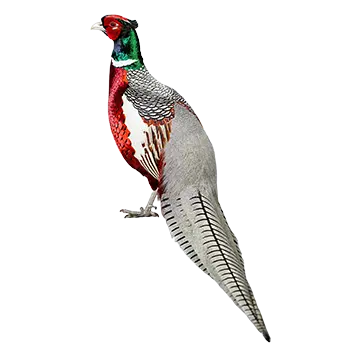
Lady Amherst's Pheasants are omnivorous ground feeders whose wild diet spans a broad range of plant and animal matter. In their native montane forests of southwestern China and northern Myanmar, these birds forage through leaf litter and undergrowth for seeds, grain heads, berries, tender shoots, insects, larvae, spiders, and small invertebrates. Replicating this dietary breadth in captivity is essential for maintaining the brilliant plumage that defines the species, supporting reproductive health, and sustaining the bird through a lifespan that can reach a decade under good management. A diet that leans too heavily on any single food group will produce visible consequences in feather quality, body condition, and breeding success.

Protein requirements for Lady Amherst's Pheasants are higher than those of many commonly kept aviary birds. During the breeding season, which typically runs from late April through July in the Northern Hemisphere, protein demands increase significantly as hens channel amino acids into egg production and both sexes undergo metabolic stress. Outside the breeding season, a maintenance protein level of roughly sixteen to eighteen percent of the total diet is appropriate. During breeding and the subsequent molt, that figure should rise to twenty to twenty-four percent through increased access to live food, high-protein supplements, or game bird breeder formulations.

Calcium and phosphorus balance is particularly important for breeding hens. Eggshell formation draws heavily on calcium reserves, and a hen that enters the laying season with depleted calcium stores will produce thin-shelled or soft-shelled eggs, increasing the risk of egg binding, a life-threatening condition. The ideal dietary calcium-to-phosphorus ratio for laying pheasants is approximately two to one, which is difficult to achieve through grain alone and typically requires supplementation through oyster shell grit, calcium-fortified feeds, or dedicated calcium supplements.

Fat-soluble vitamins play a critical role in this species. Vitamin A supports epithelial tissue integrity, respiratory health, and the pigmentation pathways that produce the species' vivid plumage colors. Vitamin D3 is essential for calcium metabolism and is especially important for birds housed in covered aviaries with limited access to unfiltered sunlight. Vitamin E functions as an antioxidant and supports immune function and fertility. A well-formulated game bird feed will supply baseline levels of these vitamins, but birds with restricted outdoor access or those on less complete diets may require targeted supplementation.

What to Look For

The foundation of a captive Lady Amherst's Pheasant diet is a commercially formulated game bird feed. When evaluating products, the ingredient panel is the most reliable indicator of quality. Feeds that list whole grains, soybean meal, and identifiable protein sources as primary ingredients are generally superior to those built on grain byproducts, corn gluten meal, or anonymous animal protein. The guaranteed analysis should show a crude protein content of at least sixteen percent for maintenance feeds and twenty percent or higher for breeder formulations, with crude fat in the three to five percent range for maintenance and slightly higher during breeding.

Particle size and feed form matter for pheasants. Lady Amherst's Pheasants are ground feeders with relatively small beaks compared to larger gallinaceous birds like peafowl or turkeys. They handle crumbled or small-pellet feeds more efficiently than large pellets designed for commercial poultry. Mash feeds work well for mixing with other ingredients but can be wasteful in outdoor aviaries where wind and rain scatter fine particles. A crumble or mini-pellet in the two to four millimeter range is generally the most practical format for this species.

Medication is a critical label detail. Many commercially available game bird feeds, particularly those marketed for commercial pheasant operations, contain coccidiostats or other medications as standard additives. While these medications serve a purpose in high-density commercial production, they are often unnecessary for small collections of ornamental pheasants kept in well-managed aviaries with good hygiene. Some coccidiostats can be harmful if fed continuously at doses formulated for commercial production schedules. Always verify whether a feed is medicated before purchasing, and consult an avian veterinarian before using medicated feeds in a breeding program, as some medications can affect fertility and egg viability.

Organic and non-GMO certifications are available in some game bird feed lines. While these certifications do not automatically guarantee superior nutrition, they do indicate a level of ingredient sourcing transparency that can be valuable for keepers who want to minimize chemical exposure in their birds. The more important consideration is the overall formulation quality rather than any single certification.

Recommended Feed Types

Game bird maintenance pellets or crumbles form the dietary backbone for Lady Amherst's Pheasants outside the breeding season. These feeds are formulated to provide the protein, energy, and micronutrient levels appropriate for adult gallinaceous birds at rest, typically in the sixteen to eighteen percent protein range with moderate fat content. The best maintenance feeds include a diverse grain base, quality protein sources like soybean meal or fish meal, and a complete vitamin and mineral premix. Feeding a maintenance ration year-round to breeding birds is a common mistake that leads to reduced clutch sizes, poor hatchability, and depleted hens.

Game bird breeder feeds are formulated with elevated protein, calcium, and vitamin levels specifically to support the demands of egg production and the metabolic stress of the breeding season. These feeds typically contain twenty to twenty-two percent crude protein and supplemental calcium in the range of two and a half to three percent, compared to roughly one percent in maintenance feeds. Transitioning birds onto a breeder feed four to six weeks before the anticipated start of laying allows hens to build calcium reserves and adjust metabolically before the first egg is laid.

Game bird starter feeds, formulated for chicks and young birds, contain the highest protein levels in the game bird feed lineup, usually twenty-six to thirty percent crude protein. While not a daily feed for adult Lady Amherst's Pheasants, starter crumbles are useful as a protein boost during the molt, when feather regrowth creates substantial protein demand. Some keepers offer a small portion of starter crumbles mixed into the regular diet during heavy molt periods, which can accelerate feather replacement and reduce the overall stress of the molting process.

Seed and grain mixes serve as a valuable supplement to formulated feeds rather than a replacement. A quality pheasant seed mix might include millet, canary seed, wheat, cracked corn, safflower, and small sunflower seeds. These mixes encourage natural foraging behavior and provide dietary variety, but they lack the balanced vitamin and mineral profile of formulated feeds. Seed mixes should constitute no more than fifteen to twenty percent of the total diet to avoid diluting the nutritional completeness of the base feed.

Fresh Foods and Live Prey

Fresh foods and live prey items are not optional extras for Lady Amherst's Pheasants. They are essential components of a nutritionally complete diet that also fulfill the bird's behavioral need to forage and hunt. In the wild, animal protein from insects and invertebrates constitutes a significant portion of the diet, particularly during the breeding season and for growing chicks. Captive birds denied access to live food often show reduced breeding success, duller plumage, and behavioral signs of frustration.

Mealworms are the most readily available and widely used live food for captive pheasants. They can be purchased in bulk from commercial suppliers or raised at home in simple plastic bin setups using wheat bran as a substrate. Standard mealworms provide good protein content but have a calcium-to-phosphorus ratio that is inverted relative to what pheasants need, so they should be dusted with a calcium supplement before feeding or gut-loaded on calcium-rich substrates for at least twenty-four hours prior to use. Superworms, waxworms, and black soldier fly larvae offer additional variety and slightly different nutritional profiles, with black soldier fly larvae being notably higher in calcium than other feeder insects.

Crickets and grasshoppers provide excellent nutrition and stimulate vigorous hunting behavior that is both physically and mentally beneficial. Releasing live crickets into the aviary gives the pheasants an opportunity to stalk, chase, and capture prey, exercising natural predatory instincts that formulated feeds cannot address. Earthworms are another high-value food item that can be offered directly or encouraged to colonize the aviary substrate, providing an ongoing natural food source. Earthworms are particularly rich in protein and micronutrients, though they should be sourced from areas free of pesticide contamination.

Fresh greens and vegetables round out the dietary picture. Chopped romaine lettuce, dandelion greens, clover, chickweed, and finely diced cucumber are all well-accepted by most Lady Amherst's Pheasants. Small amounts of finely chopped fruit such as apple, grape, and blueberry provide additional vitamins and variety. Sprouted seeds and grains offer enhanced nutritional value compared to their dry counterparts, with higher vitamin content and improved digestibility. A daily offering of mixed fresh foods keeps the diet interesting and provides micronutrients and moisture that dry feeds alone cannot supply.

Treats and Supplements

Treats for Lady Amherst's Pheasants serve practical functions beyond simple indulgence. Strategically chosen treats can be used to encourage birds to approach their keeper, facilitate health checks without capture, and provide targeted nutritional supplementation. Because pheasants are naturally wary ground birds that can be difficult to handle, building a positive association with the keeper through treat offerings reduces stress during necessary management activities.

Sunflower seeds, both striped and black oil varieties, are among the most universally accepted treats for this species. Their high fat content makes them calorie-dense, so they should be offered in controlled quantities rather than scattered freely. During cold weather, a modest increase in sunflower seed allowance provides additional calories to support thermoregulation. Peanut pieces, unsalted and raw, are another high-value treat that most pheasants learn to accept quickly. Dried mealworms can be used as a convenient shelf-stable treat when live insects are not available.

Calcium supplementation is non-negotiable for breeding hens and advisable for all captive Lady Amherst's Pheasants. Crushed oyster shell offered in a separate dish provides a self-regulating calcium source that birds can access according to their physiological needs. Cuttlebone sections placed on the aviary floor serve a similar purpose, though pheasants tend to use them less consistently than parrots or other perching birds. Liquid calcium supplements can be added to drinking water during the breeding season as an additional safeguard against deficiency, following manufacturer dosing guidelines or veterinary recommendations.

Grit serves a digestive function that is distinct from calcium supplementation. Pheasants, like all gallinaceous birds, use small stones and grit particles in the gizzard to mechanically grind food. Insoluble granite grit should be available at all times in a dedicated dish. Soluble grit, such as oyster shell, provides both grinding function and calcium as it dissolves. Offering both types ensures that the birds' mechanical and nutritional needs are met independently. Vitamin and mineral supplements beyond calcium should be used with veterinary guidance, as over-supplementation of fat-soluble vitamins can cause toxicity. A bird eating a well-formulated game bird feed supplemented with fresh foods and live prey generally receives adequate micronutrition without additional supplementation.

Foods to Avoid

Several categories of food are dangerous or inappropriate for Lady Amherst's Pheasants and must be excluded from the diet entirely. Avocado is toxic to birds across species, with the compound persin causing cardiac distress, respiratory difficulty, and death. All parts of the avocado plant, including the flesh, skin, pit, and leaves, contain persin and must be kept away from aviaries. Chocolate and caffeine-containing products are similarly toxic, causing cardiac arrhythmia and neurological symptoms even in small quantities.

Members of the allium family, including onions, garlic, leeks, and chives, contain organosulfur compounds that damage avian red blood cells and can cause hemolytic anemia with repeated exposure. While a single incidental exposure to a small amount is unlikely to produce acute symptoms, these foods should never be offered intentionally, and kitchen scraps that may contain onion or garlic powder should be excluded from pheasant feeding. Rhubarb leaves contain high concentrations of oxalic acid, which is nephrotoxic to birds, and raw dried beans contain phytohemagglutinin, a lectin that is destroyed by thorough cooking but dangerous in its uncooked form.

Processed human foods pose insidious risks even when they do not contain overtly toxic ingredients. Salty snacks, bread products, sugary foods, and fried items are all inappropriate for pheasants. Excess sodium stresses avian kidneys, which are less efficient at sodium excretion than mammalian kidneys. Bread fills the crop without providing meaningful nutrition and can contribute to sour crop if consumed in large quantities. Sugary foods promote yeast overgrowth in the digestive tract. These foods are particularly problematic because well-meaning visitors or children may offer them to aviary birds without understanding the consequences.

Moldy or spoiled feed is a serious and underappreciated hazard. Aspergillus mold, which thrives on damp grain, produces aflatoxins that cause liver damage and suppresses the immune system. Pheasants are particularly susceptible to aspergillosis, an invasive fungal infection of the respiratory system caused by inhaling Aspergillus spores. Feed should be stored in sealed, dry containers and inspected regularly for signs of mold, clumping, or off odors. Any feed that shows the slightest sign of spoilage should be discarded immediately rather than rationed out to avoid waste. The cost of replacing a bag of feed is negligible compared to the veterinary expense and potential mortality associated with mycotoxin exposure or aspergillosis.

Feeding Schedule

A consistent feeding schedule anchors the daily routine for captive Lady Amherst's Pheasants and supports both physical health and behavioral stability. The primary feed offering should occur in the morning, when the birds are most active and motivated to forage after the overnight fast. A measured quantity of game bird pellets or crumbles placed in a clean feeder provides the nutritional foundation for the day. The amount should be calibrated so that feeders are mostly but not completely empty by the following morning, indicating that the birds are eating well without wasting excess feed that could attract rodents or spoil in wet conditions.

A second, smaller offering of fresh foods and treats in the early afternoon maintains foraging interest through the day and provides the dietary variety that a single pelleted feed cannot deliver. This midday offering is an ideal time to provide chopped greens, fresh fruit pieces, and any live food items. Scattering these foods across the aviary floor rather than placing them in a single dish encourages natural foraging behavior and increases the time the birds spend actively searching for food, which is both physically and psychologically beneficial.

Seasonal adjustments to the feeding schedule and composition are necessary to match the birds' changing physiological demands. The transition from maintenance feed to breeder feed should begin four to six weeks before the expected onset of laying, allowing the hen's body to build calcium reserves gradually rather than facing a sudden demand. During the molt, which typically follows the breeding season, protein supplementation through additional live food or starter crumble helps fuel the energy-intensive process of feather replacement. In winter, a slight increase in calorie-dense foods like sunflower seeds supports thermoregulation without over-conditioning the birds for the breeding season ahead.

Water management is as important as feed management and deserves equal attention in the daily routine. Fresh, clean water must be available at all times. Pheasant drinkers should be designed or positioned to prevent contamination with substrate material, droppings, or feed particles. In freezing weather, water sources must be checked multiple times daily and thawed or replaced as needed, since dehydration in winter is a surprisingly common and preventable problem. During hot weather, positioning drinkers in shaded areas prevents water from reaching temperatures that discourage drinking. Some keepers add a shallow pan of water during summer months, which pheasants may use for wading and cooling in addition to drinking.

Always consult a qualified professional before making any health-related decisions. This content is provided for informational reference only and should not replace professional guidance specific to your animal.