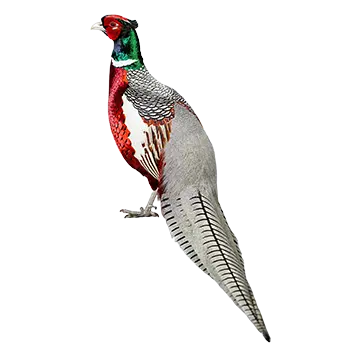

Essential Accessories

Keeping Lady Amherst's Pheasants well requires a specific set of equipment that goes beyond the aviary structure itself. The accessories a keeper selects and maintains directly affect the efficiency of daily husbandry, the birds' comfort and health, and the keeper's ability to respond effectively to routine and emergency situations. Investing in quality equipment from the outset reduces long-term costs by eliminating the cycle of purchasing, replacing, and re-purchasing cheap items that fail under the demands of daily aviary management.

The essential equipment inventory for a Lady Amherst's Pheasant keeper can be organized into functional categories: feeding and watering hardware, health and grooming supplies, capture and transport equipment, breeding accessories, and cleaning and maintenance tools. Not every item in every category will be needed from the first day, but having a clear understanding of what each category contains and when each item becomes necessary prevents scrambling to source equipment during a time-sensitive situation such as an injury, an unexpected clutch, or an avian veterinary visit.

Quality standards for aviary equipment differ from those for general household or garden products. Materials must withstand constant outdoor exposure, resist corrosion from bird droppings and cleaning chemicals, and meet food-safety standards where they contact feed or water. Stainless steel, heavy-gauge galvanized metal, and food-grade polyethylene are the material classes that perform reliably in aviary service. Chrome-plated items, thin sheet metal, and consumer-grade plastics corrode, crack, or shed contaminants under the conditions of sustained outdoor aviary use.

Organization and accessibility of equipment matter as much as its quality. Dedicated storage for aviary supplies, positioned near the aviary entrance, ensures that the keeper can access any item without leaving the birds unattended during management activities. A wall-mounted rack or sealed storage bin near the aviary door, holding frequently used items like feeding scoops, catch nets, and cleaning supplies, streamlines the daily routine and reduces the likelihood of forgetting critical steps or leaving equipment where the birds can access it.

Feeding and Watering Equipment

The feeding and watering hardware selected for a Lady Amherst's Pheasant aviary must accommodate the species' ground-feeding habits, protect feed from weather and contamination, and be practical for the keeper to fill, clean, and maintain on a daily basis. Equipment designed for commercial poultry operations is often a better fit than products marketed for pet parrots, since pheasants share the ground-feeding behavior and body plan of chickens and game birds rather than the perch-based feeding style of psittacines.

Ground-level feeders are the appropriate format for this species. Trough-style feeders with a protective lip or rain guard keep feed accessible at the birds' natural feeding height while reducing contamination from droppings and substrate material. A trough length of eighteen to twenty-four inches is sufficient for a single pair, providing enough space for both birds to feed simultaneously without crowding. The feeder should be elevated slightly off the ground surface, either on short legs or a low platform, to prevent substrate from being scratched into the feed trough during normal foraging behavior.

Hopper feeders with a gravity-fed reservoir offer convenience for keepers who cannot attend to the aviary at the same time every day. These feeders hold several days' supply of pelleted or crumbled feed and dispense it gradually as the birds eat from the base tray. The reservoir protects stored feed from rain and reduces the frequency of refilling. However, hopper feeders should be inspected regularly for moisture intrusion, insect infestation, and mold growth within the reservoir, as the enclosed space can create conditions that promote spoilage, particularly in humid climates. Metal or UV-stabilized plastic hoppers with tight-fitting lids are more resistant to these problems than lightweight plastic models.

Watering systems range from simple open dishes to automated nipple drinkers, and the best choice depends on the keeper's management style and the local climate. Bell-style poultry drinkers, which maintain a constant water level in a shallow trough as the bird drinks, are a good middle-ground solution that keeps water cleaner than an open dish while being simpler and less expensive than an automated system. The drinker should be positioned on a paved or gravel pad to prevent the surrounding substrate from becoming a muddy, pathogen-rich zone. In freezing climates, a heated base designed for poultry drinkers prevents ice formation without requiring the keeper to replace frozen water multiple times daily.

Separate dishes for supplemental items such as grit, oyster shell, and calcium supplements should be small, stable, and easily cleaned. Heavy ceramic crocks or stainless steel dishes that the bird cannot tip over work well for these purpose-specific offerings. Placing supplement dishes under the covered shelter area of the aviary protects them from rain and reduces the frequency with which their contents need to be refreshed.

Grooming and Health Supplies

A well-stocked grooming and health kit enables the keeper to perform routine maintenance, address minor injuries, and stabilize a bird while arranging veterinary care. Pheasants are not hands-on pets that tolerate regular handling, so grooming interactions are infrequent and purposeful rather than casual. Having the right tools organized and immediately accessible when grooming or health intervention is needed minimizes the duration of handling and reduces stress for both the bird and the keeper.

Nail trimming is the most common grooming task for captive pheasants. Birds housed on soft substrates may not wear their nails down naturally, and overgrown nails can catch on mesh, perches, and substrate, leading to torn nails and foot injuries. A pair of sharp avian nail trimmers or heavy-duty human nail clippers is the primary tool for this task. Styptic powder or cornstarch should be on hand to control bleeding in case the nail quick is accidentally cut. Restraining the bird securely in a towel during nail trimming prevents struggling that can result in leg or wing injuries.

A basic avian first aid kit should be assembled before the birds arrive and maintained in a consistently stocked state throughout the year. Essential contents include styptic powder for bleeding control, antiseptic wound spray formulated for birds, sterile gauze pads and self-adhering bandage wrap, blunt-tipped scissors, a digital gram scale for monitoring weight, and a supply of electrolyte powder for treating dehydration. Ophthalmic saline solution is useful for flushing debris from eyes. A magnifying loupe or headlamp helps with close inspection of feet, feathers, and skin during health checks.

Parasite management supplies are a necessary component of the health kit, as external and internal parasites are a persistent reality of outdoor aviary keeping. Ivermectin-based products approved for avian use treat both internal roundworms and external parasites such as mites and lice. Diatomaceous earth, applied to dust bathing areas and substrate, provides a mechanical control method for crawling parasites. Poultry dust formulations containing permethrin can be applied directly to the birds during handling for acute louse or mite infestations, though their use should follow product labeling and veterinary guidance. Fecal flotation kits allow the keeper to perform basic parasite screening at home, identifying worm eggs in droppings before an infestation becomes clinically significant.

A relationship with an avian veterinarian should be established before an emergency arises. Not all veterinarians have experience with gallinaceous birds, and locating a practitioner who understands pheasant medicine takes time that is not available during a crisis. Having the veterinarian's contact information, emergency clinic details, and after-hours protocols documented and posted near the aviary saves critical minutes when a bird is injured or acutely ill.

Capture and Transport Equipment

Catching and transporting a Lady Amherst's Pheasant is an inherently stressful event for the bird and must be conducted with equipment and techniques that minimize handling time, prevent injury, and keep the bird calm during transit. Unlike parrots or domesticated poultry, ornamental pheasants are not habituated to human handling and will respond to capture attempts with explosive flight, frantic running, and sustained struggling that can result in feather damage, soft tissue injury, or cardiac stress.

A catch net with a padded rim and a deep, soft mesh bag is the most important capture tool for pheasant keepers. The net diameter should be large enough to cover the bird in a single sweep, typically eighteen to twenty-four inches for Lady Amherst's Pheasants. Nets with rigid metal rims can cause head and neck injuries if they strike the bird during a missed sweep, so padded or rubber-coated rims are strongly preferred. The mesh bag should be deep enough to contain the bird fully once netted, preventing it from scrambling over the rim during the transfer from net to hands. Practice netting technique before you need it urgently, as a confident, single-motion capture is far less stressful for the bird than multiple failed attempts.

Once captured, the bird should be transferred immediately to a darkened, secure container for examination or transport. Cardboard pet carriers lined with a towel provide an inexpensive, disposable transport option for veterinary visits. The box should be tall enough for the bird to stand but not so large that it can build momentum for flight within the container. Ventilation holes should be small enough to prevent the bird from pushing its head through. Purpose-built poultry transport crates with solid walls and a wire-mesh floor are the professional-grade option, offering durability, easy cleaning, and proper ventilation. For long-tailed males, the transport container must be long enough to accommodate the tail without bending or crushing it against the back wall.

Transport timing and conditions affect the bird's stress level significantly. Catching and transporting birds in the early morning or evening, when light levels are lower and the bird is naturally less active, reduces the intensity of the capture response. Covering the transport container with a dark cloth further calms the bird during transit. The vehicle interior should be quiet, temperature-controlled, and free of sudden movements. If the transport involves a drive of more than thirty minutes, check the bird's condition at the midpoint to ensure it has not become overheated or tangled in the carrier lining.

Pheasant spectacles and blinders are specialized accessories used by some keepers to manage aggressive or excessively flighty birds during handling and temporary confinement. These lightweight plastic devices attach to the bird's beak or head and restrict forward vision, reducing the visual triggers that provoke flight and aggression. Their use is more common in commercial game bird operations than in ornamental keeping, but they can be a useful short-term management tool during unavoidable stressful events such as aviary construction, veterinary procedures, or temporary housing transitions. They should never be used as a permanent behavioral management device.

Breeding Accessories

Breeding Lady Amherst's Pheasants in captivity requires specific accessories that support the nesting process, protect eggs and chicks, and give the keeper the tools to manage the breeding season effectively. Even keepers who do not plan to breed should be familiar with breeding accessories, since hens housed with males may lay fertile eggs regardless of the keeper's intentions, and having the right equipment on hand allows for an informed response.

Nest boxes or sheltered nesting sites are essential for hens that are inclined to lay and sit. Lady Amherst's Pheasant hens prefer to nest on the ground in concealed locations with overhead cover and visual screening from the rest of the aviary. A simple wooden nesting shelter, approximately eighteen inches square and twelve inches tall with an open front, placed in a quiet corner of the aviary and partially concealed by vegetation or burlap screening, provides a suitable site. The interior should be lined with dry straw, hay, or wood shavings to a depth of three to four inches, creating a soft, insulating nest bowl that the hen will shape to her preference.

An egg candling light is an inexpensive accessory that allows the keeper to assess fertility and embryonic development without opening the egg. High-intensity LED candlers designed for poultry eggs produce a focused beam that illuminates the interior of the egg when held against the shell in a dark room. Candling at seven days after the onset of incubation reveals whether the egg is fertile, with a visible network of blood vessels and a developing embryo in fertile eggs and a clear, unchanged interior in infertile ones. This information allows the keeper to remove infertile eggs from the nest, reducing the hen's incubation burden and improving her attention to the remaining viable eggs.

Incubation equipment becomes necessary if the keeper chooses to artificially incubate eggs rather than leaving them with the hen, or if the hen abandons a clutch. A forced-air incubator with digital temperature and humidity controls is the minimum standard for successful artificial incubation of pheasant eggs. Still-air incubators are less expensive but produce uneven temperature distribution that significantly reduces hatch rates. The incubation temperature for Lady Amherst's Pheasant eggs is approximately 99.5 degrees Fahrenheit in a forced-air unit, with relative humidity maintained at fifty-five to sixty percent during the first twenty-one days and increased to sixty-five to seventy percent during the final two to three days before hatch. An automatic egg turner eliminates the labor-intensive task of manually rotating eggs multiple times per day and improves hatch consistency.

Brooding equipment is needed if chicks are hatched artificially or removed from the hen. A brooder box with a heat source, thermometer, and adjustable height lamp provides the controlled warm environment that newly hatched chicks require. Pheasant chicks are precocial and active from the moment of hatch, so the brooder walls must be high enough to prevent escape and the heat source must be positioned safely above the chicks to prevent burns. Game bird starter crumbles and clean water in a shallow chick drinker with marbles or pebbles in the tray to prevent drowning are the initial feeding provisions. Chick-sized grit should be introduced within the first week.

Cleaning and Maintenance Supplies

Consistent aviary hygiene is the foundation of disease prevention, and the cleaning equipment selected for the task must be effective, durable, and safe for use in an environment where birds are present or will return shortly after cleaning. The cleaning routine for a Lady Amherst's Pheasant aviary is less intensive than that of a parrot cage or an indoor bird room but must be performed regularly and thoroughly to prevent pathogen accumulation in the outdoor environment.

A dedicated set of cleaning tools that is used exclusively for the aviary prevents cross-contamination between the bird enclosure and other areas of the property. This set should include a stiff-bristled broom, a flat-bladed scraper for removing dried droppings from hard surfaces and perches, a garden rake for turning and leveling substrate, and a small shovel for removing soiled substrate patches. A pressure washer is invaluable for deep-cleaning hard surfaces, perches, and shelter structures, though it should not be used while birds are in the enclosure, as the noise and spray cause extreme stress.

Disinfectant selection requires attention to both efficacy and avian safety. Many common household disinfectants, including those containing phenol, pine oil, or strong fragrances, are toxic to birds and should never be used in or near the aviary. Quaternary ammonium compounds, commonly known as quats, are effective broad-spectrum disinfectants that are safe for aviary use when diluted according to label instructions and rinsed thoroughly before the birds are returned to the cleaned area. F10 veterinary disinfectant is widely used in aviculture for its combination of broad-spectrum antimicrobial activity and low toxicity to birds. Diluted household bleach at a ratio of one part bleach to thirty parts water is an effective and inexpensive option for sanitizing hard surfaces, feeders, and drinkers, provided it is rinsed completely and allowed to dry before contact with birds.

Waste management is a daily task that should not be deferred. Droppings that accumulate under roosting perches, in shelter areas, and around feeding stations should be removed or turned into the substrate daily in warm weather and at least every two to three days in cold weather. In warm, humid conditions, droppings support fly breeding and bacterial proliferation within hours, and the ammonia released by decomposing droppings irritates avian respiratory tissues. A small compost bin positioned near the aviary allows aviary waste to be composted safely, producing a useful garden amendment while keeping the waste contained and away from the birds.

Seasonal deep cleaning should be scheduled at least twice per year, ideally in early spring before the breeding season and in late autumn after the molt. Deep cleaning involves removing the birds temporarily, stripping and replacing or treating the substrate, scrubbing and disinfecting all hard surfaces including perches, feeders, drinkers, and shelter walls, and inspecting the aviary structure for damage, wear, and security vulnerabilities. This thorough overhaul resets the pathogen load in the aviary and addresses maintenance issues before they become critical failures.

Seasonal and Weather Accessories

Managing a Lady Amherst's Pheasant through the full annual cycle of weather conditions requires accessories that extend the aviary's environmental control beyond what the permanent structure alone provides. These seasonal accessories are typically installed temporarily, stored between uses, and deployed in response to specific weather events or seasonal transitions.

Winter management accessories focus on wind protection, water maintenance, and substrate management. Windbreak panels made of corrugated polycarbonate, solid plywood, or commercial wind fabric attach to the exposed sides of the aviary to block wind chill during the coldest months. These panels should cover the lower four to five feet of the aviary wall, leaving the upper section open for airflow to prevent condensation inside the enclosure. A heated poultry drinker base or a submersible stock tank heater keeps water liquid during freezing periods without requiring the keeper to make multiple daily visits with fresh warm water. Straw bales placed inside the shelter area provide additional insulation and wind blocking, and the birds will use them as resting platforms and windbreaks.

Summer presents its own set of environmental challenges, primarily heat stress and parasitic pressure. Shade cloth in seventy to eighty percent density, stretched over a portion of the aviary roof or along the south-facing and west-facing walls, reduces solar heat gain and prevents ground surface temperatures from reaching levels that stress the birds' thermoregulatory capacity. Misting systems designed for outdoor use can be mounted along the aviary roof line and operated during peak afternoon heat to reduce ambient temperature through evaporative cooling. These systems should produce a fine mist rather than a heavy spray, as pheasants generally dislike being directly wetted. Fly traps and sticky tape placed outside the aviary perimeter reduce the insect pressure that peaks during warm months, and citronella-based repellent products can be used on aviary structures to discourage flies and mosquitoes.

Rain management accessories protect feed, substrate, and the birds themselves from the damaging effects of prolonged wet conditions. Extended rain saturates substrate, promotes fungal growth, and creates standing water that breeds mosquitoes and harbors bacterial pathogens. Removable rain panels or tarps that can be deployed over portions of the aviary during extended wet weather keep the substrate dry and give the birds a larger dry area to occupy. Drainage channels or French drains installed around the aviary perimeter direct surface water away from the enclosure and prevent pooling against the aviary walls, which can undermine foundation stability and create perpetually damp conditions along the enclosure edge.

Storm preparation goes beyond routine seasonal accessories. In regions subject to severe weather events, including high winds, heavy snow loads, and hail, having a plan and the equipment to execute it can prevent aviary damage and bird loss. Ratchet straps and tie-downs rated for outdoor use can secure aviary panels and roof structures against wind uplift. A supply of tarps and bungee cords allows rapid deployment of emergency weather protection. Snow load management in heavy-snow climates may require periodic removal of accumulated snow from mesh or netting roof panels to prevent structural collapse, using a soft-bristled roof rake from outside the aviary. An emergency transport container kept ready and accessible allows rapid evacuation of birds if the aviary sustains structural damage during a storm.

Always consult a qualified professional before making any health-related decisions. This content is provided for informational reference only and should not replace professional guidance specific to your animal.