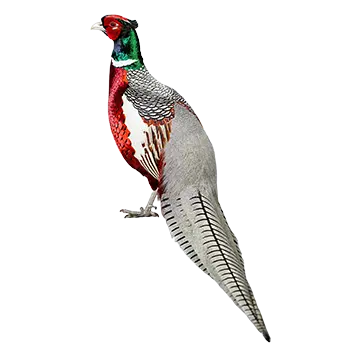

Technology in Lady Amherst's Pheasant management serves a fundamentally different purpose than it does for indoor companion birds. Ornamental pheasants housed in outdoor aviaries present monitoring challenges that indoor species do not: the birds are in a weather-exposed environment that changes constantly, they are targets for nocturnal predators that the keeper cannot observe during sleeping hours, and their shy, ground-dwelling behavior means that early signs of illness or injury can be easily missed during brief daily check-ins. Technology bridges these gaps by extending the keeper's observation capability beyond the minutes spent physically at the aviary.
The value of monitoring technology is highest during the periods when the keeper is least present. Overnight hours, when predators are most active and birds are roosting and vulnerable, represent the longest unmonitored window in the management cycle. Extreme weather events that develop rapidly can change conditions in the aviary faster than a keeper on a twice-daily check schedule can respond. Breeding season introduces time-sensitive events such as egg laying, the onset of incubation, and hatching that benefit enormously from continuous observation. In each of these scenarios, the right technology transforms the keeper from a periodic visitor into a continuous presence.
The scope of useful technology for pheasant management ranges from simple, inexpensive devices to sophisticated integrated systems. A basic wireless thermometer that transmits aviary temperature to a display in the house costs under thirty dollars and provides meaningful environmental awareness. At the other end of the spectrum, a networked camera system with motion detection, environmental sensors, automated lighting, and smartphone integration can cost several hundred dollars but provides a level of oversight that fundamentally changes the keeper's relationship with the aviary. The right investment level depends on the size of the collection, the value of the birds, the local predator pressure, and the keeper's comfort with technology.
Reliability and weather resistance are non-negotiable criteria for any technology deployed in an outdoor aviary environment. Consumer electronics designed for indoor use will fail quickly when exposed to rain, temperature extremes, humidity, dust, and the corrosive effects of bird droppings. Every device selected for aviary use should carry a weather-resistance rating appropriate to the local climate, with IP65 or higher being the general standard for outdoor electronic equipment. Battery-powered devices must use battery types that perform reliably across the full local temperature range, as standard alkaline batteries lose significant capacity in cold weather.