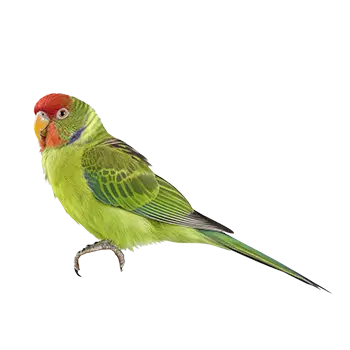

Temperature and humidity are two of the most critical environmental factors affecting Kakariki health, and digital monitoring devices take the guesswork out of maintaining optimal conditions. A quality digital thermometer-hygrometer placed near the cage provides continuous readings of both metrics, allowing you to detect gradual shifts that might otherwise go unnoticed until the bird shows signs of discomfort or stress.
Wireless environmental sensors connected to a smartphone app represent the next step in monitoring capability. These devices log temperature and humidity data over time, creating a historical record that reveals patterns — a room that cools dramatically overnight, humidity that drops precipitously when the heating system activates, or afternoon sun exposure that pushes temperatures into an unsafe range. Some units send push notifications when readings exceed preset thresholds, alerting you to problems even when you are away from home.
Air quality monitoring is an often-overlooked aspect of the avian environment that technology can address effectively. Birds have exceptionally efficient respiratory systems that make them far more vulnerable to airborne contaminants than mammals. Devices that measure particulate matter, volatile organic compounds, and carbon dioxide levels provide data that helps you identify and address air quality issues such as cooking fumes, cleaning product off-gassing, or inadequate ventilation that might otherwise go undetected until respiratory symptoms appear.
For keepers with outdoor aviaries, weather station devices that track temperature, wind speed, humidity, and barometric pressure provide actionable information for daily management decisions. A sudden drop in barometric pressure may signal incoming severe weather that requires bringing birds indoors. Temperature trend data helps you plan seasonal transitions between indoor and outdoor housing, ensuring the birds are never exposed to conditions outside their comfort range.