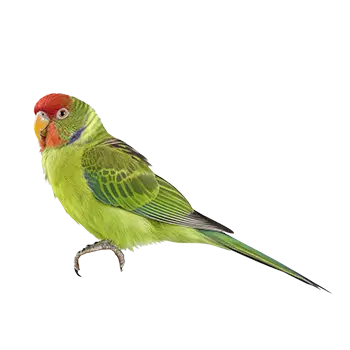

Kakariki are exceptionally active parakeets with metabolisms that demand a nutrient-dense, well-rounded diet. In the wild, these New Zealand natives forage across forest floors and through canopy vegetation, consuming a diverse mix of seeds, fruits, berries, insects, and plant matter. Replicating this dietary variety in captivity is essential for maintaining their vibrant plumage, strong immune function, and characteristically energetic behavior.
Because Kakariki spend a significant portion of their day in motion — hopping, climbing, and foraging — their caloric requirements are higher relative to their body size than many comparably sized parakeets. A diet that leans too heavily on any single food group, particularly seeds, can lead to nutritional gaps that manifest as dull feathering, lethargy, or susceptibility to illness. Balancing macronutrients with adequate vitamins and minerals is the foundation of Kakariki health.
Calcium and vitamin A deserve particular attention. Breeding hens require supplemental calcium to support egg production, but even non-breeding birds benefit from consistent calcium availability for bone density and beak health. Vitamin A supports respiratory and skin health, making it especially important for birds housed indoors where natural dietary sources may be limited.
Hydration is another critical consideration. Kakariki tend to enjoy bathing in their water dishes, which means drinking water can become soiled quickly. Fresh, clean water should be available at all times, and many keepers find that offering a separate bathing dish helps keep the drinking supply uncontaminated.