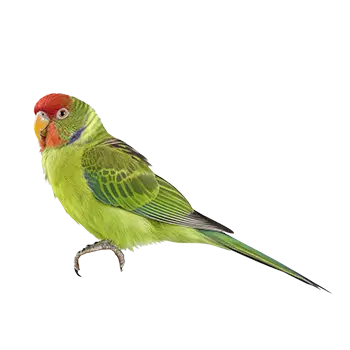

The feeding and watering setup for a Kakariki enclosure needs to account for this species' unique habits — particularly their tendency to bathe in any available water and scatter food enthusiastically during foraging. Stainless steel bowls are the preferred material for both food and water, as they resist bacterial buildup, clean easily, and cannot be chewed apart. Ceramic bowls offer similar hygiene advantages and add weight that makes tipping more difficult, though they can chip if dropped during cleaning.
Covered or hooded food dishes help reduce the mess that Kakariki inevitably create during meals. These birds are active foragers that dig through seed mixes, flicking unwanted items aside as they search for preferred seeds. A dish with a partial hood catches much of this scatter while still allowing easy access. Position food dishes at mid-height in the cage rather than on the floor to keep food separated from droppings, unless you are intentionally providing ground-level foraging opportunities.
Water management is a particular challenge with Kakariki because of their love of bathing. A tube-style water bottle or enclosed water dispenser provides clean drinking water that the bird cannot contaminate by wading or splashing. However, some birds are reluctant to use bottle-style dispensers, so maintaining an open water dish alongside the bottle during the transition period ensures the bird stays hydrated. Replace water at least twice daily regardless of the delivery method.
Multiple feeding stations are advisable even for a single bird, as they encourage movement through the cage and reduce the likelihood of food waste concentrating in one area. For multi-bird enclosures, separate feeding stations are essential to prevent dominance-based food guarding. Place dishes in locations that are easy to access for refilling and cleaning without requiring the keeper to reach deep into the cage.