
Enrichment Needs

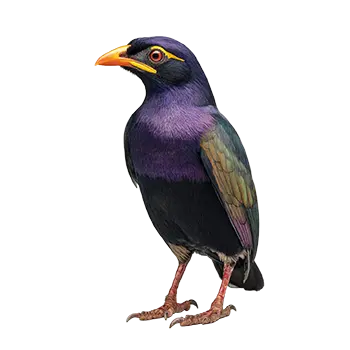
Greater Hill Mynahs are intelligent, curious birds that require consistent mental and physical stimulation to remain healthy and well-adjusted in captivity. In the wild, these birds spend their days foraging through forest canopy, investigating fruit-bearing trees, chasing insects, engaging in complex social vocalizations with flock members, and navigating a rich sensory environment that changes with weather, season, and the movements of other animals. A captive mynah deprived of adequate enrichment will quickly develop behavioral problems including repetitive vocalizations, feather plucking, lethargy, and aggression toward handlers.

The enrichment profile of a Greater Hill Mynah differs meaningfully from that of parrots, and owners transitioning from hookbill experience should adjust their expectations accordingly. Mynahs do not chew wood, untie knots, or disassemble hardware the way parrots do. Their beaks are not designed for the destructive manipulation that makes shredding toys and wooden blocks such effective enrichment for cockatoos and macaws. Instead, mynahs interact with their environment primarily through grasping, tossing, hopping, and vocal response. Toys and enrichment items should be selected to engage these natural behaviors rather than imported wholesale from the parrot toy market.

Vocal enrichment is a dimension that is nearly unique to mynahs among common companion bird species. Greater Hill Mynahs are among the most accurate vocal mimics in the avian world, capable of reproducing human speech, musical phrases, household sounds, and other birds' calls with remarkable fidelity. This vocal talent is not merely entertaining; it reflects a deep cognitive drive to process and reproduce complex auditory information. Enrichment strategies that engage this drive, whether through recorded sounds, musical instruments, or interactive vocal play with the keeper, address a fundamental psychological need.

Physical enrichment should encourage the bird to move through its enclosure using a variety of locomotion styles. Mynahs are agile hoppers and strong short-distance fliers, and toys that motivate movement between perches, platforms, and feeding stations contribute to cardiovascular fitness and muscle maintenance. Swinging perches, hanging platforms, and items that require the bird to stretch or reach provide physical challenges that static perching does not.

What to Look For

Safety is the primary consideration when evaluating any toy for a Greater Hill Mynah, and the safety criteria differ somewhat from those applied to parrot toys. Because mynahs tend to grasp and swallow rather than chew and shred, the primary ingestion risk comes from small parts that can be pulled free and swallowed whole rather than from splinters or fiber impaction. Any toy with detachable components smaller than approximately one inch in diameter should be considered a choking hazard. Bells with removable clappers, toys with small plastic beads or eyes, and items assembled with breakable clips all present risks.

Material safety requires attention to chemical composition rather than just physical durability. Mynahs are sensitive to zinc, lead, and other heavy metals, so all hardware including chains, hooks, quick-links, and bell housings should be made from stainless steel or nickel-plated steel rather than zinc-coated or galvanized components. Painted surfaces should use only non-toxic, bird-safe finishes, and untreated natural materials are always the safest default. Rope and fabric elements should be made from natural fibers like cotton, sisal, or hemp, as synthetic fibers can cause crop impaction if ingested.

Durability requirements for mynah toys are actually lower than for parrot toys, since mynahs lack the beak strength to destroy most commercial bird products. This means that softer, more interactive items that would last minutes in a parrot cage can provide weeks of engagement for a mynah. Leather strips, woven palm leaves, paper cups, and thin wooden slats all offer appropriate manipulation challenges without the risk of the bird consuming dangerous fragments. The trade-off is that these softer materials need to be monitored for contamination from the mynah's wet, fruit-stained droppings and replaced when they become soiled.

Size appropriateness matters for engagement. Toys designed for large parrots are often too heavy and cumbersome for a mynah to interact with meaningfully, while those designed for finches and budgies are too small to register as interesting objects. The sweet spot for most mynah toys is items designed for cockatiels to small conures, which match the mynah's body size and manipulation capabilities without overwhelming the bird or creating hazards from oversized components.

Foraging and Puzzle Toys

Foraging enrichment is among the most valuable forms of mental stimulation for a captive Greater Hill Mynah, because it replicates the investigative behavior that occupies a substantial portion of the wild bird's waking hours. In nature, finding food requires the mynah to search through foliage, peel back bark, probe into crevices, and evaluate which fruits are ripe enough to eat. In captivity, food typically appears in a dish at predictable intervals, eliminating the cognitive engagement of the search process. Foraging toys reintroduce that engagement by requiring the bird to work for its food.

Simple foraging devices work best for Greater Hill Mynahs because the species' beak mechanics do not support the complex unlocking and unscrewing actions that advanced parrot foraging puzzles demand. Skewers that hold chunks of fruit require the bird to pull and twist food free. Foraging trays filled with crinkled paper or clean leaves hide food items that the bird must search through and uncover. Small cups or containers with loose-fitting lids that can be flipped or pushed aside conceal treats that reward investigation. These straightforward challenges provide genuine cognitive engagement without frustrating the bird with tasks its beak cannot perform.

Kebab-style foraging toys are particularly effective for mynahs. A stainless steel skewer threaded with alternating pieces of fruit, vegetable, and edible leaves creates a feeding experience that requires the bird to grip, pull, and manipulate its food rather than simply picking pieces from a dish. The visual variety and the physical effort involved extend feeding time and provide enrichment that directly incorporates the bird's daily nutritional intake. Commercial fruit skewers designed for parrots work well, though they should be checked for safe hardware.

Progressive difficulty is a useful concept in foraging enrichment. When introducing a new foraging device, start with the food partially visible and easy to access so the bird learns that the object contains a reward. As the bird becomes proficient, increase the challenge by hiding food more thoroughly, using smaller openings, or adding layers of material that must be removed to reach the treat. This graduated approach maintains the bird's interest over time and prevents the frustration that occurs when a novel puzzle is too difficult on first encounter.

Sound and Vocal Enrichment

The Greater Hill Mynah's extraordinary vocal abilities create enrichment opportunities that are largely unavailable with other bird species. This bird does not simply repeat sounds mechanically; it listens attentively, processes acoustic patterns, and reproduces them with what appears to be deliberate intent. Enrichment strategies that engage this vocal intelligence provide cognitive stimulation comparable to puzzle solving in parrots, and they deepen the bond between bird and keeper in ways that physical toys alone cannot achieve.

Musical enrichment is well-received by most Greater Hill Mynahs. Playing varied genres of music throughout the day provides a constantly changing auditory environment that the bird can listen to, respond to, and selectively mimic. Many keepers report that their mynahs develop preferences for particular musical styles or individual songs, responding to favorites with increased vocal activity and apparent excitement. Small, bird-safe musical instruments such as bells, chimes, and xylophones mounted within the enclosure allow the bird to create its own sounds through physical interaction, which many mynahs find deeply engaging.

Interactive vocal play between the keeper and the bird is one of the most effective forms of enrichment available. Speaking clearly and consistently to the mynah, repeating phrases with varied intonation, and responding enthusiastically when the bird reproduces sounds all reinforce the vocal learning process. This is not merely training; it is a genuine social exchange that satisfies the mynah's drive for acoustic communication. Sessions of ten to fifteen minutes, two or three times daily, are typically sufficient to maintain the bird's vocal development and its social bond with the keeper.

Recorded sounds offer enrichment when the keeper is away from home. Nature recordings featuring forest bird calls, flowing water, and insect sounds provide an auditory backdrop that is more stimulating than silence and more calming than television or radio chatter. Some keepers create custom playlists that alternate between spoken phrases they want the bird to learn, periods of music, and blocks of nature sounds, playing them through a speaker near the enclosure during working hours. The volume should remain moderate, as sustained loud playback can stress the bird rather than enrich it.

Physical and Motion-Based Toys

Toys that encourage physical movement complement the foraging and vocal enrichment that addresses the mynah's cognitive needs. Greater Hill Mynahs are naturally active birds that hop energetically along branches, make short rapid flights through vegetation, and engage in acrobatic posturing during social displays. Toys that motivate this kind of dynamic physical engagement help prevent the sedentary habits that contribute to obesity and muscle degeneration in captive softbills.

Swinging perches and suspended platforms provide movement-based enrichment that mynahs find instinctively appealing. A swing mounted at the upper level of the cage becomes a preferred perching spot for many individuals, and the gentle motion of the swing as the bird shifts its weight engages balance and coordination muscles that stationary perches do not challenge. Rope perches with some flexibility offer a similar benefit, requiring constant micro-adjustments of foot position and grip strength as the perch moves underfoot.

Small balls and rollable objects placed on the cage floor or on platforms engage the mynah's natural curiosity and its tendency to investigate objects by pushing, tossing, and hopping around them. Lightweight plastic balls with internal bells or rattles add an auditory component that captures the mynah's attention. Ping pong balls are a classic and inexpensive option that many mynahs enjoy batting around the cage floor. Heavier balls designed for cats or small dogs may also work if they are made from non-toxic materials and are large enough to prevent any possibility of swallowing.

Mirrors occupy a complicated position in mynah enrichment. Many Greater Hill Mynahs are fascinated by their reflection and will vocalize, display, and interact with a mirror for extended periods. For some individuals, a mirror provides valuable social stimulation, particularly for single birds without avian companions. However, prolonged mirror exposure can lead to obsessive behavior, hormonal stimulation, and displacement of social bonding away from the keeper and toward the reflection. Mirrors are best used in moderation, offered for supervised periods rather than left as a permanent fixture.

DIY Enrichment and Rotation Strategies

Many of the most effective enrichment items for Greater Hill Mynahs can be made from common household materials at minimal cost. Paper cups stuffed with crinkled paper and a few pieces of fruit become simple foraging puzzles. Paper towel rolls flattened and folded around treats create disposable foraging packets. Clean, untreated wicker baskets hung from the cage ceiling with sisal rope provide something to investigate, perch on, and gradually disassemble. The key to successful DIY enrichment is using only materials that are free of inks, dyes, adhesives, and chemical treatments that could harm the bird.

Leaf litter foraging is a naturalistic enrichment technique that replicates the ground-level searching behavior mynahs perform in the wild. Collecting clean, pesticide-free leaves from safe tree species and scattering them across a tray or the cage floor with small food items hidden among them creates a foraging experience that engages the bird for extended periods. Dried banana leaves, grape leaves, and oak leaves are all safe options. The leaves should be replaced frequently to prevent mold growth, particularly given the high humidity levels that mynah enclosures often maintain.

Rotation is essential to maintaining the enrichment value of any toy or activity. A toy that captivates the bird during its first week in the cage becomes invisible background furniture by the third week. Maintaining a library of six to ten enrichment items and rotating three to four of them into the cage each week keeps the environment feeling novel and engaging. Items removed from the cage should be cleaned and stored, then reintroduced after a gap of several weeks, at which point the bird typically treats them as new discoveries.

Seasonal variation in enrichment provides an additional layer of novelty. Safe seasonal fruits can be offered on foraging skewers, creating new textures and flavors for the bird to explore. Branches from safe, pesticide-free trees brought indoors after storms provide natural perching surfaces with bark, lichen, and insect remnants that the mynah will investigate enthusiastically. Even changes in the arrangement of existing cage furniture, such as moving perches to new positions or changing the angle of a swing, introduce enough environmental variation to stimulate renewed exploration.

Safety and Supervision

No toy is entirely risk-free, and ongoing supervision remains the keeper's most important safety tool. Even products marketed as bird-safe can develop hazards through wear, contamination, or unexpected interaction with the specific bird using them. Greater Hill Mynahs are less destructive than parrots, which means their toys tend to last longer, but this longevity also means that gradual degradation can go unnoticed. Regular inspection of all cage toys and enrichment items for signs of wear, rust, mold, or loosening components should be part of the daily maintenance routine.

Water exposure is a particular concern for toys in a mynah enclosure because the bird's wet droppings and its habit of dunking food create a consistently moist environment. Toys made from absorbent natural materials like wood, leather, and cotton rope will become damp and should be replaced before mold colonization becomes visible, since by the time mold is detectable by eye the fungal contamination is already well established. Items positioned directly below perches receive the heaviest soiling and should be checked and cleaned or replaced most frequently.

Free-flight enrichment, where the bird is allowed out of its enclosure to fly and explore a bird-proofed room, provides physical and mental stimulation that no in-cage toy can match. However, the room must be thoroughly secured before the bird is released. Windows and mirrors should be covered or marked to prevent collision injuries. Ceiling fans must be turned off. Toxic houseplants, open water sources, hot surfaces, and small spaces where the bird could become trapped must all be addressed. Mynahs are fast and agile fliers that can cover a room in seconds, so every hazard must be removed before the cage door opens rather than addressed reactively.

Interaction between the mynah and other household pets during out-of-cage time must be managed with extreme caution. Even a well-behaved dog or cat can react to a fast-moving bird with predatory instinct, and a single bite or swipe can be fatal to a bird of this size. Other birds in the household should also be separated during free-flight time unless they are known companions, as territorial aggression between unfamiliar birds can result in serious injuries. Supervised enrichment time is exactly that: supervised, with the keeper present and attentive throughout.

Always consult a qualified professional before making any health-related decisions. This content is provided for informational reference only and should not replace professional guidance specific to your animal.