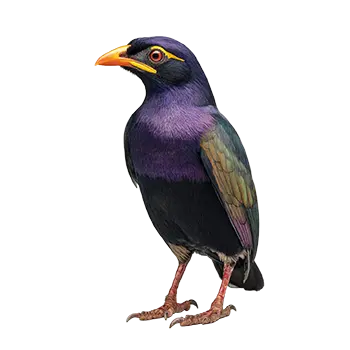

Greater Hill Mynahs are powerful, active fliers that require significantly more space than comparably sized parrots. While a cockatiel or conure might manage adequately in a standard parrot cage, a mynah confined to the same footprint will develop stress behaviors, muscle atrophy, and feather degradation within weeks. The minimum recommended cage size for a single Greater Hill Mynah is thirty-six inches long by twenty-four inches deep by thirty-six inches tall, but this should be treated as an absolute floor rather than a target. Experienced mynah keepers overwhelmingly recommend enclosures of at least four feet in length to allow short flights between perches, which are essential for maintaining the bird's cardiovascular health and muscular fitness.
The shape of the enclosure matters as much as its volume. Mynahs fly in horizontal bursts rather than climbing vertically the way parrots do, so a long, wide cage is far more useful than a tall, narrow one. Flight cages designed for finches and canaries often provide excellent proportions for mynahs, with their elongated horizontal profiles allowing the bird to move from end to end with several wingbeats. Avoid decorative round or domed cages, which waste interior space and make perch placement difficult.
For keepers who can provide the space, a walk-in aviary or dedicated bird room represents the ideal housing scenario. An aviary measuring at least six feet long by three feet wide by six feet tall allows the mynah to engage in sustained flight, and the additional space accommodates the environmental enrichment and humidity management equipment that this tropical species benefits from. Outdoor aviaries are feasible in warm climates but must include fully sheltered sections to protect against rain, wind, direct sun, and temperature extremes.
Regardless of enclosure size, placement within the home affects the bird's wellbeing profoundly. Greater Hill Mynahs are social birds that want to observe and interact with household activity. Position the cage in a living area where the family spends time, but away from the kitchen, where cooking fumes, especially from overheated nonstick cookware, pose a lethal respiratory risk. The enclosure should be against a wall on at least one side to provide a sense of security, and it should be elevated so the bird is at or above eye level, which reduces stress in most individuals.