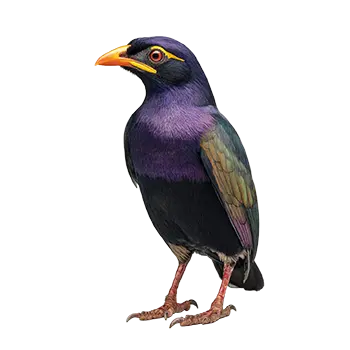

Essential Accessories Overview

Outfitting a Greater Hill Mynah enclosure requires a different accessory philosophy than setting up for a parrot or finch. The mynah's softbill physiology, its fruit-heavy diet, its prolific wet droppings, and its preference for bathing all create demands that standard hookbill accessories do not address well. Owners who stock their mynah enclosure with products designed for cockatiels or conures will find themselves replacing soiled, corroded, or functionally inadequate items within weeks. Selecting accessories that account for the realities of softbill keeping from the start saves money, reduces maintenance frustration, and provides a healthier environment for the bird.

The core accessory kit for a Greater Hill Mynah includes feeding and watering equipment, bathing provisions, appropriate perching, travel and transport gear, grooming tools, and cleaning supplies. Each category contains products that range from basic functional items to specialized solutions developed for softbill species, and the right choices depend on the individual keeper's enclosure setup, daily routine, and budget. What unifies all good mynah accessories is resistance to moisture, ease of thorough cleaning, and compatibility with the wet, acidic environment that mynah keeping inevitably creates.

Quality matters more than quantity in accessory selection. A small number of well-chosen, durable items will serve the bird better and cost less over time than a large collection of cheap products that degrade quickly in the demanding mynah enclosure environment. Stainless steel, food-grade ceramic, and high-quality plastics that resist staining and bacterial colonization should be prioritized over painted metal, porous wood, and thin plastics that crack under repeated washing.

Sourcing accessories specifically marketed for softbills, starlings, or mynahs can be more challenging than finding parrot supplies, since softbill keeping is a smaller niche within the pet bird market. Specialty avian supply retailers, both online and brick-and-mortar, typically carry a wider selection than general pet stores. Products designed for other messy feeders such as toucans and lorikeets often work excellently for mynahs and can expand the available options considerably.

Feeding and Watering Equipment

Food dishes for a Greater Hill Mynah must be selected with the understanding that this bird is among the messiest eaters in the avian world. Mynahs pick up fruit in their beaks, shake it vigorously to break it apart, and fling pieces and juice in all directions before swallowing. Any dish that is too shallow, too light, or too easily tipped will result in food scattered across the cage floor and walls within minutes of each feeding. Heavy ceramic crocks with wide bases and moderate depth are the most practical option for wet fruit servings, as their weight resists tipping and their glazed surfaces clean easily.

Stainless steel cups that mount to the cage bars with locking brackets provide a secure, hygienic alternative to freestanding dishes. The locking mechanism prevents the bird from dislodging the cup during its energetic feeding sessions, and stainless steel is impervious to the acids in tropical fruit that can etch and stain plastic and unglazed ceramic over time. Multiple cup sizes should be available: larger cups for the main fruit and pellet servings, and smaller cups for insects, supplements, or water. Having a duplicate set of all cups simplifies the daily cleaning rotation, allowing one set to be washed and dried while the other is in use.

Water delivery presents a unique challenge with mynahs because every water source in the enclosure becomes a food-washing station. Mynahs instinctively dip food into water before eating, rapidly contaminating drinking water with fruit pulp and bacteria. Bottle-style water dispensers with sipper tubes, commonly used for small mammals, do not work for mynahs because the bird's beak cannot operate the ball-valve mechanism. The most practical solution is multiple open water dishes changed frequently throughout the day, or a dripper system that provides a continuous slow flow of fresh water into a catch basin, keeping the water supply constantly refreshed.

Splash guards mounted around feeding stations are a mynah-specific accessory that dramatically reduces wall and floor cleanup. Clear acrylic panels positioned behind and beside the food dishes contain the worst of the flung food debris without obstructing the bird's access or the keeper's visibility. Some commercially available splash guard systems are designed to clip onto cage bars, while others mount with suction cups to nearby walls. Custom-cut acrylic sheets from a plastics supplier can be sized to fit any cage configuration at reasonable cost.

Bathing and Grooming Supplies

Greater Hill Mynahs are enthusiastic and frequent bathers that will use any available water source for vigorous bathing sessions, often soaking themselves and their surroundings thoroughly in the process. Providing a dedicated bathing option that the bird can use daily is essential for feather health, skin condition, and the bird's behavioral satisfaction. A shallow, wide ceramic or stainless steel dish filled with approximately one to two inches of lukewarm water serves as a basic bath that most mynahs will use readily. The dish should be heavy enough to resist tipping during the energetic splashing that bathing mynahs produce.

Bath placement requires some planning because the water volume displaced during a mynah bath session can be considerable. Positioning the bath dish inside the cage on the floor or on a low platform means the surrounding cage area will be thoroughly wetted, which accelerates substrate soiling and can dampen perches and toys. Some keepers prefer to offer baths outside the cage during supervised free-flight time, placing the bath dish on a waterproof mat in the bird room. This approach contains the mess and gives the bird additional out-of-cage enrichment, though it requires daily supervised sessions to be effective.

Mist bathing with a clean spray bottle provides an alternative or supplement to dish bathing. Many mynahs enjoy being misted with room-temperature water, particularly during dry winter months when ambient humidity drops. A fine mist setting replicates the feel of tropical rain and encourages preening behavior. Commercial pump sprayers designed for plant misting work well and deliver a finer, more consistent mist than standard trigger spray bottles. Some keepers install overhead misting systems in aviaries or bird rooms that can be activated on a timer or manually.

Nail maintenance is the primary grooming need for captive Greater Hill Mynahs. Unlike parrots, mynahs do not require beak trimming under normal circumstances, as their beaks wear naturally through food manipulation. Nails, however, can overgrow in captivity if the bird spends most of its time on smooth perches that do not provide adequate abrasion. Textured conditioning perches made from concrete, pumice, or mineral composites positioned at frequently used perching spots help maintain nail length passively. When manual trimming is necessary, small bird nail clippers or a rotary nail grinder designed for birds allow precise trimming with minimal stress. Styptic powder should always be on hand to stop bleeding from an accidentally over-trimmed nail.

Perches and Platforms

Perch selection directly affects the foot health, physical fitness, and behavioral wellbeing of a captive Greater Hill Mynah, and poor perching is one of the most common and most preventable husbandry failures in softbill keeping. The species spends virtually all of its resting time gripping a perch, and the surface texture, diameter, and material of that perch determine whether the bird develops healthy, flexible feet or suffers from the pressure sores, calluses, and infections that collectively constitute pododermatitis, one of the most frequently diagnosed conditions in captive softbills.

Natural hardwood branches remain the best perching material for Greater Hill Mynahs. Species such as manzanita, java wood, and grapevine offer the ideal combination of hardness, irregular diameter, and rough bark texture. The variation in diameter along a natural branch forces the bird's foot to grip differently at each point, distributing pressure across the entire foot surface and exercising the tendons and muscles that maintain grip strength. Branches should range from approximately five-eighths of an inch to one and a quarter inches in diameter, with the primary resting perch at the thicker end of that range and secondary perches offering thinner dimensions.

Rope perches made from natural cotton or sisal provide a flexible perching surface that many mynahs enjoy. The slight give of a rope perch engages the bird's balance reflexes, and the textured surface provides good grip without the abrasiveness of concrete conditioning perches. Rope perches should be inspected regularly for fraying, as loose fibers can wrap around toes and cause constriction injuries. Any perch showing significant unraveling should be replaced immediately rather than trimmed, since trimming often creates new loose ends that fray further.

Flat platforms mounted horizontally in the cage give the mynah an alternative resting surface where it can stand with its feet fully flat rather than gripping. This position relieves the constant gripping pressure of round perches and is particularly beneficial for older birds or those with early signs of foot problems. Platforms can be made from natural wood slabs, food-grade plastic cutting boards, or textured composite materials. They should be positioned at a height the bird frequents and sized large enough for the bird to stand and turn comfortably, roughly six by eight inches at minimum.

Travel and Transport

A suitable travel carrier is a non-negotiable accessory for any Greater Hill Mynah owner, because veterinary visits, emergency evacuations, and other transport needs arise inevitably over the course of the bird's life. The carrier should be acquired and the bird acclimated to it well before it is needed, rather than purchased in a panic on the morning of a veterinary appointment. A bird that has been gradually introduced to its carrier through positive association with treats and calm exposure will travel with far less stress than one being confined in an unfamiliar container for the first time.

The ideal mynah travel carrier is a small, ventilated hard-sided enclosure with a secure door latch and a perch mounted low enough that the bird can grip it comfortably during vehicle travel. Carriers designed for small parrots or for transporting pigeons typically provide appropriate dimensions, roughly twelve to fifteen inches long, ten inches wide, and twelve inches tall. Soft-sided carriers, while lighter and more portable, offer less protection during vehicle travel and can collapse if other items are placed against them, potentially injuring the bird.

Ventilation must be adequate without creating drafts that chill the bird during transport. Carriers with ventilation openings on multiple sides allow good airflow while giving the keeper the option to partially cover sides facing wind or direct sun during outdoor transfers. A lightweight towel or cover draped over the carrier reduces visual stimulation that can agitate the bird during the unfamiliar experience of vehicular travel, and many mynahs calm noticeably when the carrier is partially darkened.

For longer journeys, the carrier should be equipped with a small, shallow water dish that can be secured to prevent spilling and a clip for offering fruit during stops. Standard cage-mount water cups do not work well in most carriers because the carrier walls are too thick for the mounting brackets. Small dishes designed for carrier use, or even a section of fruit wedged between the bars for the bird to nibble, provide hydration and comfort on trips lasting more than an hour. The carrier floor should be lined with absorbent paper for easy cleanup of the inevitable wet droppings produced during travel.

Lighting Accessories

Appropriate lighting is a frequently overlooked accessory category that significantly affects the health and behavior of captive Greater Hill Mynahs. In their native tropical habitat, these birds are exposed to full-spectrum sunlight for approximately twelve hours daily throughout the year, and this light drives vitamin D3 synthesis, regulates hormonal cycles, and influences mood and activity levels. Standard indoor lighting, whether incandescent, LED, or fluorescent, does not provide the ultraviolet wavelengths necessary for vitamin D3 production, leaving birds dependent on dietary sources alone unless supplemental UV lighting is installed.

Full-spectrum avian lighting fixtures designed to produce UVA and UVB wavelengths at levels safe for bird exposure are available from several manufacturers. These lights typically mount above the enclosure and are connected to a timer that simulates a natural photoperiod of approximately twelve hours of light and twelve hours of darkness. The fixture should be positioned close enough to the bird's primary perching area to deliver effective UV levels, typically within twelve to eighteen inches, but must include a guard or screen to prevent the bird from making direct contact with the bulb.

UV bulb replacement schedules must be followed even when the bulb appears to be functioning normally. UV output degrades steadily over time, and a bulb that still produces visible light may have lost most of its UV output after six to twelve months of use, depending on the manufacturer and technology. Most manufacturers specify a replacement interval, and adhering to this schedule ensures the bird receives consistent UV exposure throughout the year. Without a UV meter, there is no visual way to assess whether a bulb is still producing adequate ultraviolet wavelengths.

Night lighting deserves separate consideration. Greater Hill Mynahs, like most diurnal birds, need complete darkness for quality sleep. A room that receives light from street lamps, hallway fixtures, or electronic device screens during the bird's sleep period can disrupt circadian rhythms and contribute to hormonal imbalances and behavioral problems. A cage cover made from opaque, breathable fabric blocks light intrusion and muffles household noise, helping the bird achieve ten to twelve hours of uninterrupted rest. The cover should be large enough to drape fully around the cage without restricting ventilation, and it should be washed regularly to prevent dust and dander accumulation.

Cleaning and Maintenance Products

The cleaning demands of a Greater Hill Mynah enclosure exceed those of nearly any other common companion bird, and having the right products on hand makes the difference between a manageable daily routine and an overwhelming chore. The combination of wet, acidic droppings, flung fruit debris, and splashed bath water creates a uniquely challenging cleaning environment that requires products capable of cutting through organic residues without leaving toxic chemical traces that could harm the bird.

Bird-safe enzymatic cleaners are the most effective products for daily and weekly cage cleaning. Unlike conventional disinfectants that kill bacteria through chemical toxicity, enzymatic cleaners break down organic matter at a molecular level, eliminating the acids and proteins in droppings and food residue without relying on harsh chemicals. The best enzymatic cleaners are specifically formulated for avian use and carry no respiratory risk when used in a ventilated area. They can be sprayed directly onto cage surfaces, allowed to work for a few minutes, and then wiped or rinsed away.

A steam cleaner provides chemical-free deep sanitization that is particularly valuable for mynah enclosures. Handheld steam cleaning devices deliver high-temperature steam that kills bacteria, loosens dried-on residue, and sanitizes without any chemical residue whatsoever. Steam is especially effective for cleaning grates, bar intersections, and other hard-to-reach areas where organic buildup accumulates. The bird must be removed from the enclosure during steam cleaning and should not be returned until all surfaces have cooled and any residual moisture has dissipated.

Disposable supplies including paper towels, newspaper, unprinted newsprint, and cage liner sheets should be purchased in bulk because the daily consumption rate for mynah keeping is substantial. Many keepers find that buying newsprint roll ends from local newspaper printing operations provides a cost-effective and highly absorbent liner material that outperforms commercial cage liners at a fraction of the price. Regardless of the liner material chosen, the supply should be stored in a dry location and pre-cut to fit the cage tray for quick changes during the daily morning cleaning routine.

Always consult a qualified professional before making any health-related decisions. This content is provided for informational reference only and should not replace professional guidance specific to your animal.