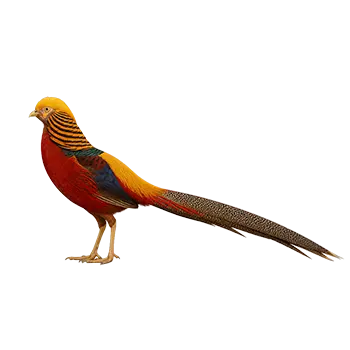

Technology in the context of Golden Pheasant husbandry is not about replacing hands-on care with automation. It is about extending the keeper's awareness beyond the limited hours spent physically in the aviary, detecting problems earlier than manual observation alone can achieve, and creating consistent environmental conditions that support bird health around the clock. The shy, stress-sensitive nature of Golden Pheasants makes technology particularly valuable because many monitoring tasks can be performed remotely, reducing the frequency and duration of human intrusions that disturb the birds.
The most impactful applications of technology in pheasant keeping fall into three broad categories: observation and security, environmental monitoring and control, and breeding support. Each category addresses a genuine management challenge rather than simply digitizing a task that works perfectly well without electronics. Effective technology adoption means selecting devices that solve specific problems in the keeper's operation rather than accumulating gadgets for their own sake.
Cost-benefit analysis should guide technology decisions. A trail camera that detects a predator probing the aviary perimeter before a breach occurs justifies its cost many times over if it prevents the loss of valuable breeding stock. An environmental sensor that alerts the keeper to a dangerous temperature spike inside the shelter during a summer heat wave provides a genuine safety margin. Conversely, an elaborate automated feeding system may add complexity and cost to a task that a simple hopper feeder handles adequately. The right question is not what technology exists but what specific vulnerability or limitation it addresses in the keeper's situation.
Reliability and weather resistance are non-negotiable selection criteria for any device destined for outdoor aviary use. Consumer electronics designed for indoor use will fail rapidly when exposed to rain, temperature extremes, dust, and the corrosive chemistry of avian waste. Products rated for outdoor or agricultural use, with appropriate ingress protection ratings for moisture and particulates, are essential investments even when they cost more than their indoor-rated counterparts.