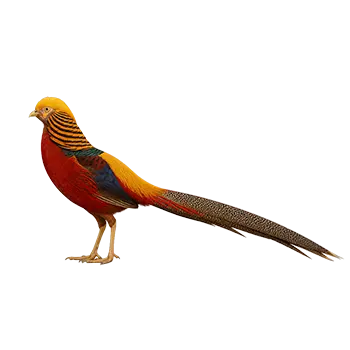

Selecting the right feeder for a Golden Pheasant aviary involves balancing feed protection, waste reduction, ease of cleaning, and compatibility with the species' ground-feeding behavior. Unlike perching birds that feed from elevated cups and hoppers, Golden Pheasants naturally forage at ground level, so feeders must be designed or positioned to accommodate this preference while still protecting the feed from moisture, contamination, and vermin.
Gravity-fed hopper feeders with rain covers are the most practical option for outdoor pheasant aviaries. These feeders dispense feed into a tray at the base as the birds consume it, keeping the bulk of the stored feed dry and protected while providing a continuously available food source. Galvanized steel or heavy-duty plastic construction resists weathering and the corrosive effects of feed acids. The tray opening should be wide enough for the bird to access comfortably but narrow enough to prevent the bird from billing large quantities of feed onto the ground, a common pheasant feeding behavior that generates significant waste.
Trough-style feeders are effective for feeding fresh foods, supplements, and mixed rations. Stainless steel or heavy ceramic troughs positioned at ground level allow multiple birds to feed simultaneously and are easy to clean and disinfect. Weighted ceramic dishes have the advantage of resisting tipping, which is important because pheasants often step on feeder edges during feeding. Plastic troughs are lighter and cheaper but degrade faster under UV exposure and can harbor bacteria in surface scratches.
Feed storage outside the aviary deserves as much attention as the feeder inside it. Game bird feed should be stored in airtight, rodent-proof containers such as galvanized metal bins with tight-fitting lids or heavy-duty plastic drums with locking closures. Exposure to moisture causes mold growth in stored feed, and mycotoxins produced by common storage molds such as Aspergillus are highly toxic to birds and can cause acute illness or chronic organ damage. Storing feed in a cool, dry location and purchasing quantities that will be consumed within four to six weeks ensures freshness and minimizes contamination risk.
Supplement dispensers for grit, oyster shell, and mineral supplements should be separate from the main feed supply. Small wall-mounted hoppers or heavy ceramic bowls dedicated to each supplement allow the birds to self-regulate their intake. Mixing supplements into the main feed is less effective because consumption becomes linked to appetite rather than physiological need, and some supplements can alter the palatability of the base feed.