
Housing Requirements Overview

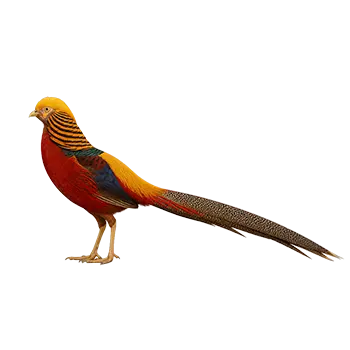
Golden Pheasants are ground-dwelling birds that require spacious outdoor aviaries rather than the indoor cages typically associated with companion bird keeping. In their native mountain forests of central China, these birds occupy dense undergrowth where they forage across substantial territories, roost in low tree branches at night, and rely on vegetative cover for security. Any captive housing must replicate the essential elements of this environment: ample ground space for walking and foraging, overhead cover for psychological security, sheltered roosting options, and protection from predators and extreme weather.

Minimum aviary dimensions for a single pair of Golden Pheasants should be no less than twelve feet long, six feet wide, and six feet tall. These dimensions provide enough ground area for the birds to maintain comfortable distances from each other and enough headroom to accommodate low roosting perches and the male's long tail without damage. However, larger is always better with pheasants, and aviaries of twenty feet or more in length produce noticeably calmer, healthier birds with superior feather condition. Crowded housing generates chronic stress that suppresses immune function, impairs breeding, and leads to feather damage from pacing and startling.

Golden Pheasants are surprisingly cold-hardy given their subtropical origins, tolerating temperatures well below freezing provided they have access to dry, draft-free shelter. Heat is a more serious concern, as these birds are susceptible to heat stress in temperatures above ninety degrees Fahrenheit, particularly in humid conditions. Aviary placement and design must account for the local climate, ensuring adequate shade in summer and wind protection in winter.

The single most important design principle for Golden Pheasant housing is predator exclusion. Pheasants are vulnerable to a wide range of predators including hawks, owls, raccoons, foxes, weasels, rats, and domestic cats. A predator breach is often catastrophic because pheasants panic and injure themselves by flying into aviary walls and wire at high speed. Every aspect of construction, from wire gauge to buried apron fencing to secure door latches, must be evaluated through the lens of predator resistance.

Aviary Construction and Materials

The structural framework of a Golden Pheasant aviary can be built from pressure-treated lumber, galvanized steel tubing, or aluminum framing, depending on budget and aesthetic preferences. Pressure-treated lumber is the most accessible option for most keepers and allows straightforward construction with basic carpentry skills. Steel and aluminum frames are more durable and resist rot, but they cost more and may require welding or specialized connectors. Regardless of frame material, the structure must be rigid enough to resist wind loading and the weight of wire mesh without sagging or flexing, as gaps created by structural movement invite predators.

Wire mesh selection is a critical decision. Standard chicken wire, despite its name, is inadequate for pheasant housing because its thin gauge and hexagonal pattern can be torn open by raccoons and other mid-sized predators. Welded wire mesh with a gauge of fourteen or heavier and openings no larger than one inch by one inch provides a secure barrier against most predators while allowing adequate airflow and visibility. Half-inch by half-inch hardware cloth is even more secure and prevents rats and mice from entering the enclosure, though it reduces visibility and airflow somewhat. Many experienced builders use hardware cloth on the lower three feet of the aviary walls, where predator contact is most likely, and standard welded wire above.

The floor of the aviary is often the most vulnerable point in predator defense. Burrowing predators such as foxes, weasels, and rats can dig under aviary walls unless the design incorporates a buried apron of wire mesh extending at least eighteen inches outward from the base of each wall, or a continuous wire floor buried beneath the substrate. A buried apron is generally preferred because a wire floor, even when covered with substrate, eventually becomes exposed in high-traffic areas and can injure the birds' feet.

The aviary roof should be fully enclosed with wire mesh or a combination of wire and solid roofing panels. A fully wired roof prevents aerial predator access while allowing natural light and rainfall. However, at least one-third to one-half of the roof area should be covered with solid roofing material such as corrugated polycarbonate or metal panels to provide shade and rain shelter. The covered portion should extend over the area where feeders, waterers, and roosting perches are located so that the birds can access food and shelter without exposure to precipitation.

Shelter and Roosting Areas

Within the aviary, a dedicated shelter structure provides essential protection from wind, rain, snow, and temperature extremes. This shelter can take the form of an enclosed shed section attached to the main aviary, a three-sided lean-to built against the back wall, or a standalone coop-style structure accessible through a pop hole. The shelter should be large enough for all birds in the enclosure to use simultaneously without crowding, well-ventilated to prevent moisture buildup, and positioned on the highest and driest section of the aviary floor to avoid water pooling.

Roosting perches inside the shelter and in covered areas of the main aviary accommodate the Golden Pheasant's natural instinct to sleep off the ground. Perches should be made from natural branches or milled lumber with rounded edges, positioned at varying heights between two and four feet off the ground. Flat perches approximately two to three inches wide are more comfortable for pheasants than the round dowel-style perches used for parrots, as pheasants do not grip perches tightly but rather sit on them with their feet relatively flat. Spacing perches at least eighteen inches apart prevents dominant birds from displacing subordinates, and placing them away from walls prevents tail damage.

Insulation in the shelter becomes important in regions with severe winters. While Golden Pheasants tolerate cold well, sustained temperatures below zero degrees Fahrenheit combined with wind can cause frostbite on combs and wattles, and energy expenditure to maintain body temperature increases feed consumption substantially. Insulating the shelter walls and ceiling with rigid foam panels covered by plywood reduces heat loss and creates a warmer microclimate for roosting. Supplemental heat from a ceramic heat emitter or a thermostatically controlled radiant panel can be added in extreme climates, though it is rarely necessary if the shelter is well-insulated and draft-free.

Ventilation deserves as much attention as insulation. A tightly sealed shelter traps moisture from the birds' respiration and droppings, creating a damp environment that promotes respiratory infections and fungal growth. The goal is to eliminate drafts at bird level while maintaining air circulation above. High-mounted vents, ridge vents, or adjustable louvers near the roofline allow warm, moist air to escape without creating direct drafts on the roosting birds. In cold weather, partially closing these vents retains warmth while still exchanging enough air to keep humidity manageable.

Substrate and Ground Cover

The aviary floor substrate serves multiple functions: it cushions the birds' feet, absorbs moisture and droppings, supports natural foraging behavior, and contributes to the overall hygiene of the enclosure. Choosing the right substrate and maintaining it properly has a direct impact on foot health, parasite control, and the effort required for routine cleaning.

Sand is one of the most popular substrate choices for pheasant aviaries. Coarse builder's sand drains well, dries quickly after rain, and can be raked or sifted to remove droppings and debris. Birds can also dust-bathe in sand, which helps control external parasites and keeps feathers in condition. The primary disadvantage of sand is that it does not support plant growth, so aviaries with sand floors require separate planted areas or containerized vegetation to provide the cover and visual barriers that Golden Pheasants need for psychological security.

Wood chips and bark mulch provide a more naturalistic ground cover that supports some plant growth, encourages foraging behavior as birds scratch through the material, and decomposes over time into a soil-like layer. Hardwood chips are preferable to softwood varieties, as some softwood species release aromatic oils that can irritate avian respiratory systems. Cedar chips and shavings should be avoided entirely for this reason. Wood chip substrate needs more frequent replacement than sand because it retains moisture and can harbor fungal spores and parasites if allowed to become waterlogged or heavily soiled.

Natural earth or soil floors planted with grass and low shrubs create the most environmentally enriching aviary floor. Planted aviaries most closely replicate the Golden Pheasant's natural habitat and provide the vegetative cover that helps these shy birds feel secure. However, planted floors are the most maintenance-intensive option, requiring regular reseeding or replanting as the birds scratch up and consume vegetation, careful drainage management, and periodic soil replacement or treatment to control parasitic egg and oocyst buildup. Many keepers use a combination approach, with sand in high-traffic areas around feeders and waterers and planted sections or mulched zones in the remainder of the enclosure.

Inside the shelter and on any raised platforms, dry bedding such as chopped straw, pine shavings, or hemp bedding provides a clean, insulating surface. Bedding in the shelter should be spot-cleaned daily to remove droppings accumulating under roosting perches and fully replaced every one to two weeks or whenever it becomes damp or heavily soiled. During the breeding season, providing a secluded corner with a deeper layer of straw or dried grass gives hens a suitable nesting substrate.

Predator Protection

Predator attacks are the single most common cause of catastrophic loss in captive pheasant collections, and Golden Pheasants are among the most vulnerable species because their panic response to a predator involves explosive vertical flight that frequently results in head and neck injuries from impact with the aviary roof and walls. Effective predator exclusion must address threats from above, from ground level, and from below ground, accounting for the specific predator species present in the local environment.

Aerial predators including hawks, owls, and crows pose a serious threat even when they cannot physically enter the aviary. A raptor landing on or flying low over an aviary can trigger the same panic response as a direct attack, causing the pheasants to crash into wire and structural elements. Fully enclosing the top of the aviary with wire mesh eliminates direct attack risk, but visual deterrents such as shade cloth over portions of the roof, overhead wire or string grids that discourage raptor perching, and dense shrub cover within the aviary that gives the pheasants hiding spots all reduce the frequency and intensity of panic events.

Ground-level predators require robust physical barriers. Raccoons are among the most problematic because they can manipulate simple latches, reach through standard wire mesh to grab birds roosting near the walls, and tear open lightweight wire. Using hardware cloth on the lower portions of the aviary, installing raccoon-proof latch systems on all doors and access panels, and ensuring no gaps exist where walls meet the ground or where wire panels join structural members are all essential measures. Foxes and coyotes are less dexterous than raccoons but more powerful, and they will test the perimeter systematically for any weakness. Double-fencing, where a second wire barrier is installed six to eight inches outside the primary aviary wall, prevents large predators from making direct contact with the aviary mesh.

Burrowing predators demand subsurface defenses. A wire apron buried twelve to twenty-four inches deep and extending eighteen to twenty-four inches outward from the aviary walls deters digging by foxes and dogs. For weasels and rats, which can squeeze through astonishingly small gaps and burrow with determination, half-inch hardware cloth on the apron is necessary, as these animals can pass through standard one-inch welded wire. Rats are a particular concern because they eat eggs, kill chicks, and consume feed, and they can establish colonies within aviary substrate if the ground is not properly secured.

Domestic cats and dogs should not be overlooked as predator threats. Even a well-meaning family dog that rushes the aviary in play can send pheasants into injurious panic. Ensuring that the aviary is located where domestic animals cannot approach closely, or installing a perimeter fence that creates a buffer zone around the aviary, addresses this risk. Night security is as important as daytime protection, since many predator attacks occur after dark. An automatic light triggered by motion can deter some nocturnal predators and alert the keeper to activity around the aviary.

Seasonal Housing Modifications

Golden Pheasant housing needs shift with the seasons, and making appropriate modifications throughout the year supports the birds' health, comfort, and breeding success. Winter preparations should begin well before the first hard freeze. Inspecting and repairing any structural damage or wire gaps before cold weather arrives prevents emergency repairs in difficult conditions and ensures the enclosure is tight against wind and predators that become more persistent when wild food sources diminish.

In cold climates, adding windbreak panels to the most exposed sides of the aviary reduces wind chill without eliminating airflow. Clear polycarbonate panels or heavy-duty greenhouse film stapled over the lower sections of the aviary walls block wind while admitting light. These panels should cover no more than two-thirds of the wall height to maintain ventilation above. Inside the shelter, increasing the bedding depth to four to six inches provides insulating value, and ensuring that water containers are either heated or replaced frequently prevents ice blockages.

Summer modifications focus on heat management. Golden Pheasants are more heat-sensitive than cold-sensitive, and temperatures above ninety degrees Fahrenheit can cause heat stress characterized by panting, wing drooping, and lethargy. Adding shade cloth rated at fifty to seventy percent light reduction over sun-exposed sections of the aviary roof significantly reduces ground-level temperatures. Misters or sprinklers that dampen the ground surface without soaking the birds provide evaporative cooling. Ensuring that water containers remain cool and full throughout the day is critical, as water consumption increases dramatically in hot weather.

Breeding season modifications typically involve providing nesting sites and adjusting the social dynamics of the enclosure. Hens need secluded, sheltered nesting spots away from high-traffic areas of the aviary. Placing a low shelter such as a half-barrel laid on its side, a commercial nesting box, or a dense shrub planting in a quiet corner gives the hen a place to lay and incubate without disturbance. If multiple hens share an aviary with a single cock, ensuring that visual barriers divide the space into semi-private zones reduces competition-related stress and improves nesting success.

The molt period, which typically occurs in late summer through autumn, places particular demands on housing. Molting birds are more vulnerable to temperature fluctuations because their feather coverage is compromised, and they are generally less active and more irritable. Minimizing disturbance during the molt, maintaining clean dry substrate to protect regrowing feathers, and ensuring excellent nutrition support a smooth molt and the development of high-quality replacement plumage.

Cleaning and Maintenance

Consistent cleaning and maintenance of the aviary is essential for preventing disease, controlling parasites, and maintaining the structural integrity of the enclosure over its lifespan. A daily, weekly, and seasonal cleaning schedule distributes the workload and prevents conditions from deteriorating to a point where major intervention is necessary.

Daily tasks include removing uneaten fresh food before it spoils, spot-cleaning droppings from under roosting perches and around feeders, refreshing water containers, and visually inspecting the aviary perimeter for signs of predator activity such as digging, scratch marks, or wire damage. These tasks take only a few minutes but collectively form the foundation of good aviary hygiene. Any sign of predator probing should be addressed immediately, as a partial breach will be completed on the next attempt.

Weekly maintenance involves a more thorough substrate treatment. Sand substrates should be raked to turn the surface layer and distribute droppings for faster decomposition or removal. Wood chip and mulch substrates should be turned with a fork to prevent matting and promote aeration. Shelter bedding should be fully replaced if it has become damp or heavily soiled. Feeders and waterers should be scrubbed and disinfected weekly using a bird-safe disinfectant, rinsed thoroughly, and dried before refilling. Wire mesh should be inspected along the lower three feet for any signs of rust, corrosion, or damage.

Seasonal deep cleaning involves removing and replacing substrate in the shelter and high-traffic areas, disinfecting the entire shelter interior with a veterinary-grade disinfectant, inspecting all structural elements for rot, rust, or loosening, and treating the ground for parasites if fecal testing indicates a worm burden. Spring is the most critical time for deep cleaning because it precedes the breeding season, and reducing the environmental pathogen load before eggs are laid and chicks are hatched significantly improves reproductive outcomes. Hardware such as hinges, latches, and wire fasteners should be checked and replaced if corroded, and any vegetation that has encroached on the aviary structure should be trimmed back to prevent creating predator access routes.

Record keeping enhances the effectiveness of maintenance routines. Logging cleaning dates, substrate replacements, disinfectant use, predator activity, and any repairs creates a reference that helps identify patterns and schedule interventions proactively. Over time, this record reveals which parts of the aviary require the most frequent attention and where design improvements might reduce ongoing maintenance demands.

Always consult a qualified professional before making any health-related decisions. This content is provided for informational reference only and should not replace professional guidance specific to your animal.