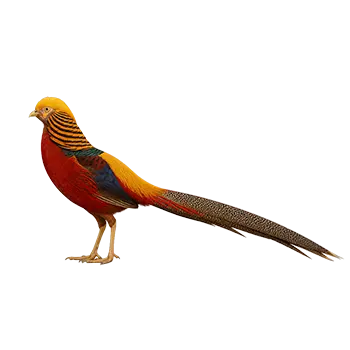
Proper housing for Golden Pheasants requires understanding their needs as ground-dwelling forest birds that spend most time foraging on aviary floors while requiring some elevated roosting areas for nighttime security. Traditional birdcages are completely inappropriate for these large gamebirds. They require walk-in aviaries with substantial floor space prioritized over height, reflecting their terrestrial lifestyle and need for walking, scratching, and foraging room while accommodating the long tails of males.
The minimum aviary dimensions for a pair of Golden Pheasants (one male, one female) should be approximately 12 feet long by 6 feet wide by 6 feet tall. Larger dimensions are always preferable, with 16-20 feet long being ideal for a pair or trio (one male, two females). The emphasis must be on length and width providing floor area, as these birds are ground foragers spending the vast majority of their time on the aviary floor. Height need not be excessive since Golden Pheasants are not high-flying birds, though 6 feet provides adequate room for short flights and elevated roosting perches while allowing keeper access for maintenance.
Aviary construction must be robust and predator-proof, as Golden Pheasants are valuable birds susceptible to predation by various animals. Frame construction using treated wood posts or metal supports creates durable structures. Wire mesh should be welded wire or hardware cloth of 1/2 inch to 1 inch mesh size, preventing access by snakes, rats, weasels, and other predators while being small enough that pheasants cannot catch their heads. Bury wire 12-18 inches underground or use concrete foundations preventing digging predators from gaining access. For aviaries in areas with significant predation pressure, double-wiring (two layers with space between) provides additional security.
Roofing is essential for Golden Pheasant aviaries, providing protection from rain, snow, sun, and aerial predators like hawks or owls. Solid roofing over the entire aviary or at minimum 50-75% of the space ensures birds have dry areas during precipitation. Corrugated plastic panels, polycarbonate roofing, or traditional shingles on wooden framing all work well. Ensure adequate pitch for water runoff preventing pooling. Roofing also helps maintain cleaner substrate by preventing rain from creating muddy conditions.
Shelter structures within aviaries provide additional weather protection, privacy for breeding, and nighttime security. A covered shelter or enclosed coop measuring approximately 4x4x4 feet accommodates a pair, with bedded floor, perches, and potential nest boxes. Pheasants retreat to shelter during extreme weather, cold nights, or when seeking privacy. Multiple access points prevent one bird from blocking another inside, and adequate ventilation prevents moisture buildup.
Substrate selection significantly impacts maintenance ease and bird health. Sand is an excellent substrate for pheasant aviaries, providing good drainage, natural appearance, ease of spot-cleaning by raking, and comfortable surface for walking. River sand or construction sand with grain size neither too fine (dusty) nor too coarse (abrasive) works well, with depth of 3-4 inches providing cushioning. Alternatively, pea gravel provides excellent drainage and easy cleaning though it may be harsh on bare feet over time. Some keepers use natural dirt substrate which allows planting and creates very naturalistic appearance, though it requires periodic rest and treatment to control parasites. Wood chips or shavings can be used but must be kept dry and turned regularly to prevent mold and bacterial growth. Avoid dusty materials that could cause respiratory irritation, and maintain cleanliness preventing wet, muddy areas where disease thrives.
Planting and environmental enrichment enhance both aviary aesthetics and bird welfare. If substrate and climate allow, planting low shrubs, ornamental grasses, and ground covers provides shade, visual barriers, foraging enrichment, and more naturalistic environment. Choose non-toxic plants appropriate for your climate. If live planting isn't feasible, use dried brush, cut branches, grass bundles, and other natural materials providing similar benefits. Visual barriers are particularly important in aviaries housing multiple pheasants or in busy areas where birds might be stressed by constant movement outside the aviary.
Perching for Golden Pheasants should include low, sturdy perches or flat platforms 2-4 feet off the ground for roosting. Natural branch perches 2-3 inches in diameter provide comfortable gripping, or flat platforms allow birds to roost without gripping (pheasants sometimes prefer flat roosting). Avoid thin perches causing foot problems over time. Position perches away from walls preventing tail feather damage in males and provide multiple perching options allowing birds to choose preferred locations.
Feeding stations should include ground-level feeding areas matching natural foraging behavior plus elevated feeders keeping food cleaner and drier. Heavy ceramic or stainless steel bowls that cannot be easily tipped work well for feed and water. Multiple feeding stations in larger aviaries prevent competition and ensure subordinate birds have access. Some keepers scatter grains directly on clean substrate areas encouraging natural scratching and foraging behaviors, though this requires excellent substrate sanitation.
Dust bathing areas are important for Golden Pheasant feather maintenance and natural behavior expression. Provide shallow containers or designated areas filled with fine sand or dirt/sand mixture where birds can dust bathe. This behavior helps control external parasites and conditions feathers. Refresh dust bathing material regularly maintaining dryness and cleanliness.
Water provision requires multiple clean water sources changed daily. Use heavy containers that cannot be easily tipped, positioned away from perches to minimize fecal contamination. Pheasants may wade in water dishes if sufficiently large, so provide dedicated water dishes plus potentially a larger shallow pan for bathing if desired, though this requires more frequent cleaning.
Lighting in outdoor aviaries relies on natural sunlight providing full-spectrum benefits essential for vitamin D3 synthesis, hormonal regulation, and overall health. For indoor facilities or supplemental lighting, provide full-spectrum bulbs on timers maintaining natural day length (approximately 12-14 hours during most of year, potentially adjusted to stimulate or suppress breeding). Avoid constant artificial lighting disrupting natural cycles.
Climate considerations depend on your location. Golden Pheasants tolerate cold quite well, being adapted to temperate Chinese mountains, and can overwinter outdoors in most temperate climates with adequate shelter from wind, precipitation, and extreme cold. They require dry conditions more than warmth, with draft-free shelters and dry substrate being more important than heated housing in most situations. In extremely cold climates (prolonged periods below 0°F/-18°C), supplemental heat in shelter areas may be beneficial. Hot climates require shade, good ventilation, and fresh water preventing heat stress.
Cleaning protocols for Golden Pheasant aviaries differ based on substrate and aviary size. Daily tasks include removing obvious droppings from frequently used areas, refreshing water, removing uneaten perishable foods, and quick health observation of birds. Weekly tasks include more thorough substrate maintenance (raking sand, turning wood chips, spot-treating wet areas), washing all feeders and waterers with hot soapy water, and removing accumulated waste. Monthly or as needed, perform deeper substrate maintenance (sifting or replacing sand, complete wood chip changes, resting and treating dirt), inspecting all aviary structure for damage or weaknesses, and general facility maintenance. Use bird-safe cleaning products, avoiding harsh chemicals or persistent fumes.
Safety considerations include removing any toxic plants from the aviary or surrounding areas where birds might access fallen leaves, ensuring no small objects that could be swallowed are present, checking regularly for structural weaknesses or damage, securing all doors and access points preventing escapes, and protecting electrical components from bird contact and weather exposure. Regular inspections catch potential problems before they cause harm.
Social housing decisions depend on sex ratios and individual temperaments. The ideal setup is one male with one to three females, providing breeding opportunities while preventing male combat. Never house multiple male Golden Pheasants together in standard aviaries as they will fight viciously, particularly during breeding season. Multiple females can be housed together or with a single male, though watch for bullying of subordinate hens. Overcrowding increases stress, disease transmission, and aggression, so err on the side of more space rather than more birds.