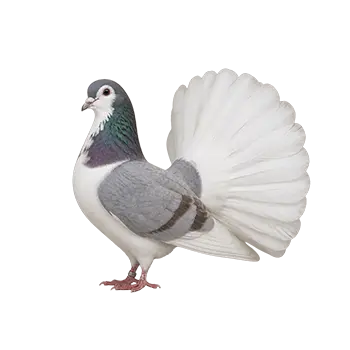

Nutritional Needs

Fantail Pigeons are granivorous birds whose dietary requirements are broadly consistent with those of other domestic pigeon breeds, though their ornamental nature and relatively sedentary lifestyle introduce some important nuances. Their diet must deliver adequate protein for feather maintenance, sufficient calcium for skeletal health and egg production, and balanced fats and carbohydrates to fuel daily activity without promoting obesity. Because Fantails are less active fliers than racing or homing breeds, caloric intake should be moderated to prevent weight gain that can stress their joints and compromise their distinctive tail carriage.

Protein requirements fluctuate with the bird's life stage and condition. During the breeding season and the annual molt, Fantails need elevated protein levels, typically in the range of sixteen to eighteen percent of the total diet, to support egg formation, crop milk production, and the growth of new feathers. Outside of these demanding periods, a maintenance diet with twelve to fourteen percent protein is sufficient for most healthy adults. Overfeeding protein year-round can burden the kidneys and contribute to visceral gout, a painful and potentially fatal condition in pigeons.

Calcium and phosphorus must be present in a proper ratio, generally around two to one, to support bone density and eggshell formation. Fantails kept as breeding pairs have particularly high calcium demands, and hens that lay without adequate calcium reserves are at serious risk of egg binding. Dietary calcium is best provided through a combination of mineral grit, oyster shell, and calcium-enriched feed rather than relying on any single source.

Fat content in the diet should remain moderate for this breed. Fantails do not engage in the sustained flight that burns significant calories in performance breeds, so high-fat seeds like sunflower and safflower should be limited to small portions used as treats or conditioning supplements. A diet built primarily around lower-fat grains like milo, wheat, and barley provides energy without excess calories, keeping the bird lean and its plumage in optimal condition.

What to Look For

The foundation of a Fantail Pigeon's diet is a quality grain mix formulated specifically for pigeons rather than a generic wild bird blend. When evaluating commercial pigeon feed, examine the ingredient list for a diverse range of whole grains and legumes. A well-constructed mix typically features peas, corn, milo, wheat, barley, safflower, and smaller proportions of oilseeds like flax or hemp. Mixes that rely heavily on a single grain, particularly corn, deliver an unbalanced nutritional profile and should be avoided as a sole diet.

Freshness is a critical and often overlooked quality indicator. Grain that has been stored improperly or for too long can harbor mold spores, mycotoxins, and storage mites, all of which pose serious health risks to pigeons. Quality feed should smell clean and slightly sweet, with grains that appear plump and free of dust, webbing, or discoloration. Purchasing from suppliers with high turnover helps ensure the grain has not been sitting in a warehouse for months. If buying in bulk, store feed in airtight containers in a cool, dry location and use it within a reasonable timeframe.

Pigeon-specific pellets have gained acceptance as a dietary component, though they are used differently than parrot pellets. In pigeon nutrition, pellets typically supplement a grain-based diet rather than replacing it entirely. Look for pellets formulated for pigeons that contain added vitamins, minerals, and amino acids designed to fill the nutritional gaps inherent in an all-grain diet. Pellets with artificial colors or flavors offer no advantage and may be rejected by birds accustomed to natural grain.

Grit and mineral supplements are not optional accessories but essential dietary components for pigeons. Unlike parrots, pigeons require insoluble grit to mechanically grind food in their muscular gizzard, and soluble grit in the form of oyster shell or limestone provides calcium. A quality pigeon grit product contains a blend of crusite, granite, oyster shell, charcoal, and trace minerals. These components should be available to the birds at all times in a separate dish rather than mixed into the feed.

Recommended Grain Mixes

Grain mixes marketed for pigeons generally fall into several categories based on their intended purpose: maintenance blends, breeding blends, molting blends, and conditioning mixes. For Fantail Pigeons kept primarily as pets or exhibition birds, a maintenance blend forms the dietary backbone for most of the year. These mixes are typically lower in protein and fat than breeding or racing blends, reflecting the modest energy demands of a non-flying ornamental breed. A good maintenance mix contains roughly twelve to fourteen percent protein and three to five percent fat, with the bulk of calories coming from carbohydrate-rich grains.

Breeding mixes are richer formulations designed to support the heightened nutritional demands of egg production, incubation, and chick rearing. These blends contain a higher proportion of legumes, particularly field peas and maple peas, which elevate the protein content to sixteen percent or more. Breeding mixes also tend to include more oilseeds to boost fat content slightly, providing the caloric density that parent birds need to produce crop milk for their squabs. Fantail breeders should transition pairs to a breeding mix several weeks before pairing and maintain it through the weaning of the last round of young.

Molting mixes support feather regeneration during the annual molt, a period of significant metabolic demand. Feathers are composed almost entirely of the protein keratin, and a bird replacing its entire plumage requires elevated levels of sulfur-containing amino acids, particularly methionine. Molting blends address this need with increased legume content and the addition of small oilseeds like linseed and hempseed, which provide both protein and omega fatty acids that contribute to feather sheen and structural integrity.

Conditioning mixes are high-energy blends typically used for racing pigeons but sometimes offered to exhibition Fantails in the days before a show. These mixes are rich in oilseeds and corn, designed to bring the bird into peak physical condition with tight, glossy plumage. Because of their high caloric density, conditioning mixes should only be used for brief periods and in controlled portions. Prolonged use can lead to obesity, liver stress, and a decline in overall condition that defeats their intended purpose.

Fresh Foods and Supplements

While grain forms the bulk of a Fantail Pigeon's diet, fresh foods and targeted supplements contribute valuable micronutrients and dietary variety. Leafy greens such as romaine lettuce, spinach, dandelion greens, and chopped kale can be offered in small quantities several times a week. Most pigeons are less enthusiastic about vegetables than parrots, but many will pick at greens if they are finely chopped and placed in a familiar feeding dish. Fresh greens provide vitamins A and K, along with moisture and fiber that support digestive health.

Sprouted seeds and grains represent one of the most nutritionally valuable fresh food options for pigeons. The sprouting process converts dormant starches into readily digestible sugars and dramatically increases vitamin content, particularly B vitamins and vitamin C. Sprouted mung beans, lentils, wheat, and sunflower seeds are well-accepted by most pigeons and can be offered several times a week during breeding, molting, or any period of increased nutritional demand. Hygiene during the sprouting process is essential, as warm, moist conditions that promote germination also favor bacterial growth. Rinse sprouts thoroughly and discard any that develop off odors or slime.

Vitamin and mineral supplements designed for pigeons are available in powder, liquid, and water-soluble formats. A broad-spectrum avian multivitamin added to the drinking water once or twice a week can help fill nutritional gaps, particularly for birds that are selective eaters or those maintained on a limited variety of grains. During the breeding season, additional calcium supplementation through liquid calcium or powdered calcium carbonate sprinkled over soft food ensures that hens maintain adequate reserves for eggshell formation.

Probiotics and apple cider vinegar are commonly used supplements in pigeon husbandry. Probiotic supplements formulated for birds introduce beneficial gut bacteria that support digestion and may help prevent the overgrowth of pathogenic organisms like candida and E. coli. Apple cider vinegar added to drinking water at a dilution of roughly one tablespoon per gallon mildly acidifies the crop environment, which can discourage the growth of harmful bacteria and fungi. While scientific evidence for these supplements in pigeons is limited, their widespread use among experienced fanciers suggests practical benefits when used at appropriate concentrations.

Treats and Training Rewards

Pigeons respond well to food-based positive reinforcement, and treats can be a valuable tool for building tameness and trust with Fantails. The most effective pigeon treats are small, high-value seeds that differ from the daily grain ration and are offered by hand or from a dedicated treat dish. Raw unsalted peanut pieces, hemp seeds, safflower seeds, and small sunflower hearts are consistently popular with most pigeons and are calorie-dense enough to be perceived as special without requiring large quantities.

The key to using treats effectively with Fantail Pigeons is consistency and moderation. Because Fantails are a relatively calm, docile breed, they tend to habituate to human interaction more readily than flightier pigeon varieties, but they still benefit from the positive association that treat feeding creates. Offering a small handful of preferred seeds during daily interaction sessions teaches the bird to associate human presence with reward, which is particularly useful for exhibition birds that must remain calm during judging and handling.

Millet sprays, commonly associated with smaller birds like finches and budgerigars, can also serve as an enrichment treat for Fantail Pigeons. While individual seeds are small, the act of picking seeds from a spray provides foraging stimulation that a bowl of loose grain does not. Millet sprays can be hung in the loft or enclosure as an activity feeder, encouraging the bird to work for its food in a manner that more closely mirrors natural foraging behavior.

Treat frequency and portion size should be managed carefully to prevent dietary imbalance. Treats should constitute no more than five to ten percent of the total daily food intake. Overreliance on high-fat treats like sunflower seeds and peanuts can skew the fat-to-carbohydrate ratio of the diet, promote selective eating habits, and contribute to obesity. Rotating treat types from day to day maintains novelty and prevents the bird from developing a fixation on a single food item to the exclusion of its nutritionally complete base diet.

Foods to Avoid

Several categories of food are unsafe for Fantail Pigeons and must be excluded from the diet entirely. Avocado is toxic to virtually all bird species, and pigeons are no exception. The compound persin, found throughout the fruit, skin, pit, and leaves of the avocado plant, causes myocardial necrosis and respiratory distress in birds. Even small amounts can be lethal, and there is no effective treatment once symptoms appear. Any food preparation area shared with birds should be kept free of avocado products.

Chocolate, caffeine, and alcohol are all toxic to pigeons, though these are less commonly offered to pigeons than to parrots simply because pigeon keepers are less likely to share table foods with their birds. Theobromine in chocolate and caffeine in coffee and tea affect the cardiovascular and nervous systems of birds at doses far lower than those harmful to mammals. Alcohol causes rapid and severe metabolic disruption in birds and can be fatal even in quantities that seem trivially small.

Salty and heavily processed foods pose serious health risks. Pigeons have limited renal capacity to excrete excess sodium, and foods like chips, pretzels, salted nuts, and processed bread can cause dangerous electrolyte imbalances, dehydration, and kidney damage. While plain whole-grain bread in small amounts is sometimes used as an occasional treat by pigeon keepers, it offers minimal nutritional value and should not become a dietary habit. Moldy bread is particularly dangerous, as it may contain aspergillus spores that cause aspergillosis, a serious and often fatal fungal respiratory infection.

Raw dried beans contain lectins, particularly phytohemagglutinin, that are toxic to birds and can cause severe gastrointestinal distress and organ damage. Beans must be thoroughly cooked to neutralize these compounds before being offered. Fruit seeds and pits from apples, cherries, peaches, and apricots contain cyanogenic glycosides and should be removed before offering any fruit. Onions and garlic contain compounds that can damage avian red blood cells, leading to hemolytic anemia with repeated exposure, and should be avoided entirely.

Feeding Schedule and Portion Control

Establishing a consistent feeding routine is fundamental to maintaining a healthy Fantail Pigeon. Most experienced pigeon keepers feed twice daily, offering the morning meal shortly after the birds become active and the evening meal several hours before roosting. This twice-daily schedule encourages the birds to eat their full ration promptly rather than picking selectively throughout the day, which helps ensure balanced nutrient intake and makes it easier to monitor appetite as an early indicator of health problems.

Portion size for Fantail Pigeons should reflect their relatively modest energy requirements. An adult Fantail in maintenance condition typically consumes approximately one to one and a half ounces of grain per day, though this varies with the bird's size, ambient temperature, reproductive status, and activity level. A practical approach is to offer a measured amount of feed and observe how quickly it is consumed. If grain remains uneaten after thirty to forty-five minutes, the portion is likely too large. If the birds finish immediately and appear to search for more, a slight increase is warranted.

The timed feeding method, where food is offered for a set period and then removed, is preferred over free-choice feeding for several reasons. Timed feeding prevents selective eating, where birds pick out favorite high-fat seeds and leave nutritionally important but less palatable grains behind. It also reduces feed waste and contamination, as grain left sitting in open dishes attracts insects, absorbs moisture, and can become a substrate for mold growth. Timed feeding additionally keeps the birds slightly hungry and attentive, which is beneficial for taming, training, and routine health checks.

Water must be available at all times, fresh and clean. Pigeons drink by immersing their beak and drawing water upward by suction, unlike most birds that scoop and tilt. This drinking method means they require deeper water containers than many other bird species, and the water becomes soiled more quickly as debris from the beak and nares is introduced with each drink. Water should be changed at least twice daily, and containers should be scrubbed regularly to prevent biofilm buildup. During hot weather or breeding, water consumption increases significantly, and keepers should ensure an adequate supply is always accessible.

Always consult a qualified professional before making any health-related decisions. This content is provided for informational reference only and should not replace professional guidance specific to your animal.