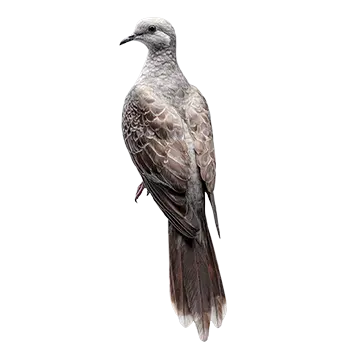

Essential Accessories Overview

Equipping a Cape Dove enclosure with the right accessories requires a different mindset than outfitting a parrot cage. The commercial bird accessory market is overwhelmingly oriented toward hookbills, and many products that are essential for parrot care are irrelevant or even counterproductive for a small dove. Cape Doves do not need beak-conditioning toys, foraging puzzles with latches and drawers, or elaborate rope perch systems. What they do need is a carefully selected set of practical items that support feeding, hydration, hygiene, lighting, temperature management, and safe transport.

The quality of basic accessories has a disproportionate impact on the daily experience of both the bird and the keeper. A food dish that tips easily, a water container that fouls within hours, or a light fixture that flickers and buzzes creates small but cumulative sources of stress and inconvenience. Investing in well-designed, durable versions of these fundamental items pays dividends in reduced maintenance time, improved hygiene, and a calmer bird. The accessories discussed in this guide represent the core toolkit for Cape Dove husbandry, each selected for its relevance to this particular species' needs and habits.

Accessory choices should also account for the Cape Dove's temperament. This is a species that startles easily and can injure itself during panicked flight within a cage. Accessories that rattle, swing unpredictably, or create sudden shadows when they move are poor choices for this bird. Stable, securely mounted items that remain in predictable positions reduce the environmental triggers that provoke startle responses. Even the process of adding or changing accessories should be done thoughtfully, with new items introduced gradually rather than swapped in abruptly during a full cage rearrangement.

Keepers maintaining breeding pairs will need additional accessories beyond the basic set. Nesting platforms, supplemental food dishes for egg-laying hens, band applicators for closed banding of chicks, and brooder equipment for hand-rearing situations all fall into the breeding-specific category. These items are discussed where relevant throughout this guide but represent a secondary layer of accessories that not every keeper will require.

Food and Water Dishes

Food dish selection for Cape Doves should prioritize stability, accessibility from ground level, and ease of cleaning. Heavy ceramic crocks with low sides are the ideal vessel for a ground-feeding species. The dish should be wide enough that the bird can stand beside it comfortably without stepping into the food, typically three to four inches in diameter for a single bird. The rim height should be low enough that the bird can see and reach the seed without difficulty, no more than one inch for a Cape Dove. Dishes that are too deep or too narrow force the bird into an uncomfortable feeding posture and may reduce food intake.

Stainless steel dishes with mounting brackets offer a practical alternative when floor space is limited or when the keeper wants to keep food elevated above the substrate to reduce contamination. These should be mounted low, no higher than two to three inches above the cage floor, to remain accessible to a ground-feeding species. The bracket hardware must be secure enough that the bird's weight and movement do not dislodge the dish. Plastic dishes are acceptable as temporary solutions but scratch over time, creating grooves that harbor bacteria and resist thorough cleaning.

Water delivery is a critical decision point. Open water dishes are the most natural option and allow the bird to bathe as well as drink, but they soil quickly with seed husks, droppings, and substrate particles. Cape Doves are particularly prone to stepping into and bathing in their water dish, which can leave the drinking supply contaminated within an hour of filling. Offering a dedicated bath dish separate from the drinking supply, and using a slightly deeper or elevated drinking dish that discourages bathing, helps manage this issue.

Tube-style or vacuum waterers that dispense water into a small cup as it is consumed provide a cleaner alternative to open dishes. These devices keep the main water reservoir sealed against contamination and maintain a supply of clean water for longer periods. The dispensing cup must be sized and positioned so that a Cape Dove can drink from it comfortably, which may require mounting the unit lower than the manufacturer's default suggestion. Some keepers use both a vacuum waterer for clean drinking water and an open dish offered for a limited period each day for bathing, combining the hygiene benefits of the former with the behavioral benefits of the latter.

Lighting Products

Lighting is one of the most consequential accessories for indoor-kept Cape Doves, directly influencing vitamin D3 metabolism, hormonal regulation, feather condition, and behavioral health. Standard household lighting, including LED and incandescent bulbs, does not emit the ultraviolet wavelengths that birds require for vitamin D3 synthesis through the uropygial gland and skin. Without adequate UV exposure, a Cape Dove cannot metabolize dietary calcium efficiently regardless of how well its food is formulated, leading to a cascade of skeletal and reproductive health problems.

Full-spectrum avian lighting products designed to emit UVA and UVB radiation address this gap. These fixtures typically use specialized fluorescent or LED tubes calibrated to replicate the spectral composition of natural sunlight, including the UV component that standard bulbs omit. The fixture should be positioned within twelve to eighteen inches of the bird's primary perching area, as UV intensity diminishes rapidly with distance. Placing the light above a favorite perch or platform ensures the bird receives meaningful UV exposure during its normal resting behavior.

Photoperiod management through lighting timers is equally important. Cape Doves in the wild experience a natural light cycle that shifts with the seasons, and their hormonal and behavioral rhythms are keyed to these changes. An indoor bird kept under constant artificial lighting, or exposed to irregular light schedules that extend well into the evening, can develop chronic hormonal disruption that manifests as persistent breeding behavior, feather abnormalities, and compromised immune function. A timer set to provide ten to twelve hours of light and twelve to fourteen hours of uninterrupted darkness provides a stable photoperiod that supports normal biological rhythms.

Bulb replacement schedules are frequently neglected. Full-spectrum bulbs degrade in UV output long before they visibly dim or burn out. Most manufacturers recommend replacing avian UV bulbs every six to twelve months, depending on the product, even if the bulb still appears to function normally. Continuing to use a depleted bulb provides visible light but not the UV radiation the bird needs, creating a false sense of adequate lighting. Marking the installation date on the fixture or setting a calendar reminder ensures timely replacement.

Travel Carriers and Transport

A suitable travel carrier is an essential accessory for any Cape Dove keeper, needed for veterinary visits, emergency evacuations, and temporary housing during cage cleaning or household disruptions. The carrier requirements for a small dove differ significantly from those for parrots. Cape Doves should not be transported in large, open carriers where they can build flight speed and crash into the walls during sudden movements or vehicle stops. A smaller carrier that limits flight to short hops is actually safer, reducing the risk of impact injuries.

Small plastic pet carriers designed for hamsters or small birds, with ventilation slots and a secure door latch, work well for Cape Dove transport. The interior dimensions should allow the bird to stand, turn around, and sit comfortably without being so spacious that the bird can fly. A carrier approximately ten inches long by seven inches wide by seven inches tall is appropriate for a single Cape Dove. Lining the floor with a non-slip material such as a piece of paper towel over a rubber shelf liner prevents the bird from sliding during vehicle transport.

Covering the carrier with a lightweight cloth during transport reduces visual stimulation that can trigger panic. A covered carrier creates a dim, enclosed environment that many doves find calming, similar to the sheltered roosting spots they seek in the wild. The cover should be breathable and should not completely seal the ventilation openings. In warm weather, overheating inside a covered carrier is a genuine risk for a small bird, and the keeper should monitor the carrier temperature closely, especially in a parked vehicle, which can reach dangerous temperatures within minutes.

For keepers who travel with their birds regularly or who need to transport birds for show purposes, investing in a purpose-built bird transport case with individual compartments offers additional safety and organization. These cases typically feature padded interiors, secure stacking capability, and controlled ventilation. For the average keeper making occasional veterinary trips, however, a simple small-animal carrier kept clean and readily accessible is entirely sufficient. The carrier should be stored assembled and ready so that in an emergency evacuation scenario, the bird can be secured quickly without needing to locate and assemble equipment under pressure.

Grooming and Health Tools

Cape Doves require minimal hands-on grooming compared to parrots, but a small kit of grooming and health tools should be part of every keeper's accessory inventory. A digital gram scale accurate to at least one gram is arguably the single most important health monitoring tool for any small bird. Regular weighing, ideally weekly, detects weight changes that signal illness long before visible symptoms appear. A Cape Dove in good health typically weighs between thirty-five and forty-five grams, and a loss of even three to four grams can indicate a developing problem. The scale should have a flat platform or a small perch attachment that allows the bird to be weighed with minimal handling.

Nail trimming is occasionally necessary for cage-kept Cape Doves whose nails do not wear naturally against rough surfaces. A pair of small, sharp nail clippers designed for finches or small birds is the appropriate tool. The nails of Cape Doves are small and translucent enough that the blood vessel, or quick, is usually visible, allowing the keeper to trim conservatively without causing bleeding. Styptic powder should be kept on hand regardless, as an accidental nick of the quick produces bleeding that must be stopped promptly in a bird this small. A cotton-tipped applicator dipped in styptic powder and pressed firmly to the cut nail for several seconds is the standard first-aid response.

A basic avian first-aid kit should include styptic powder, sterile gauze pads, small hemostats or tweezers, a magnifying glass for close inspection, a heat source such as a small heating pad for maintaining body temperature in a sick or injured bird, and contact information for the nearest avian veterinarian and emergency clinic. Assembling this kit in advance rather than scrambling to find supplies during an emergency can make the difference between a manageable situation and a crisis.

Mite and lice treatment products formulated for cage birds should be available even if no current infestation exists. Cape Doves acquired from breeders, bird fairs, or rescue organizations may carry external parasites that are not immediately visible. An avian-safe spray containing pyrethrin or a comparable active ingredient, used strictly according to label directions, addresses most common ectoparasite infestations. Environmental treatments for the cage and surrounding area complement direct bird treatment by eliminating parasites in the substrate, perch crevices, and nesting material where they breed and shelter.

Cage Covers and Temperature Management

A cage cover is a valuable accessory for Cape Doves that serves multiple functions beyond simply signaling nighttime. A well-fitted cover blocks ambient light from screens, streetlights, and household activity that can disrupt the bird's sleep cycle. Cape Doves require ten to twelve hours of uninterrupted darkness for proper rest and hormonal regulation, and even low-level light intrusion during the dark period can fragment sleep and contribute to chronic stress. The cover material should be opaque enough to block light, breathable enough to maintain air circulation, and heavy enough to stay in place without constant adjustment.

Dark-colored, tightly woven cotton or polyester blend fabrics make effective cage covers. Purpose-made cage covers that are tailored to specific cage dimensions provide the best fit and are less likely to drape into the cage interior where the bird could become tangled. If using a generic fabric cover, ensure it does not hang loosely inside the cage or rest against the bars where the bird perches. Some keepers leave a small section of the cage uncovered at the bottom or on one side to improve ventilation, particularly in humid environments.

Temperature management accessories become important for Cape Doves kept in climates colder than their native range. Ceramic heat emitters, which produce heat without visible light, are the preferred warming device for nighttime use because they do not disrupt the bird's dark period. These emitters screw into standard light fixtures and should be positioned outside the cage, directed at the bird's roosting area but far enough away to prevent burns. A thermostat connected to the emitter maintains consistent temperature without manual monitoring.

Heated perches are available for small birds and can provide localized warmth that Cape Doves find attractive during cold weather. The perch surface remains warm to the touch without becoming hot enough to burn the bird's feet. These products should be used as a supplemental heat source alongside ambient room heating rather than as the sole defense against cold. If ambient room temperature drops below sixty degrees Fahrenheit regularly, the housing situation itself needs to be reconsidered, as a heated perch alone cannot compensate for an environment that is fundamentally too cold for a tropical species.

Cleaning Supplies and Hygiene Products

Maintaining a sanitary enclosure requires a dedicated set of cleaning supplies that are safe for avian use and effective against the pathogens most relevant to dove health. The cleaning kit should be kept separate from household cleaning supplies to avoid cross-contamination and to ensure that bird-safe products are always used in the enclosure. A basic cleaning kit includes a bird-safe disinfectant, a spray bottle, a dedicated scrub brush or sponge set, a handheld dustpan and brush for substrate removal, and a supply of replacement substrate material.

Bird-safe disinfectants based on quaternary ammonium compounds, stabilized chlorine dioxide, or accelerated hydrogen peroxide are effective against bacteria, fungi, and most viruses that affect cage birds. These products are specifically formulated to be non-toxic to birds when used according to label directions and rinsed thoroughly. Household cleaners containing phenols, ammonia, or strong fragrances are toxic to birds' respiratory systems and must never be used on or near avian enclosures. Even residual fumes from these products applied elsewhere in the home can affect a sensitive species like the Cape Dove.

A handheld vacuum or small shop vacuum designated for aviary use simplifies the daily removal of seed husks, feather dust, and loose substrate from around the cage. Dove species produce fine feather powder that accumulates on surfaces near the cage and can contribute to respiratory issues for both birds and humans in poorly ventilated spaces. Regular vacuuming of the cage vicinity, combined with periodic damp-wiping of nearby surfaces, controls this dust effectively. HEPA-grade filtration in the vacuum prevents the dust from being recirculated into the air.

Disposable gloves should be worn during cage cleaning, particularly when handling substrate contaminated with droppings. While the risk of zoonotic disease transmission from a healthy captive dove to a healthy human keeper is low, consistent hygiene practices reduce even that small risk and protect the keeper from the drying effects of frequent disinfectant exposure. Hand washing after all cage maintenance, regardless of glove use, is a non-negotiable hygiene habit. Keeping a bottle of hand sanitizer near the cage area as a supplement to proper hand washing provides a convenient option for quick interactions that do not warrant a full trip to the sink.

Always consult a qualified professional before making any health-related decisions. This content is provided for informational reference only and should not replace professional guidance specific to your animal.