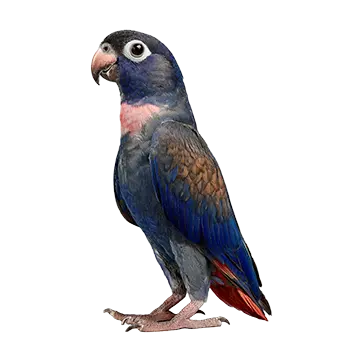

Enclosure Size Requirements

The Bronze-Winged Pionus is a compact, moderately active parrot that requires more cage space than its body length might initially suggest. While this species is less acrobatic than conures or caiques, it still needs room to move between perches, stretch and flap its wings fully, and engage with toys without feeling crowded. The minimum recommended cage dimensions for a single Bronze-Winged Pionus are twenty-four inches wide, twenty-four inches deep, and thirty inches tall, though a larger enclosure is always preferable and has a measurable positive impact on the bird's physical and behavioral health.

Width and depth matter more than height for this species. Pionus parrots tend to move horizontally through their environment rather than climbing vertically to the same extent as Amazons or cockatoos. A cage that is wider and deeper, even at the expense of some height, provides more usable flight and foraging space than a tall, narrow enclosure. A flight cage measuring thirty-six inches wide, twenty-four inches deep, and thirty-six inches tall represents a comfortable and practical size for a single bird with regular out-of-cage time.

For owners who can allocate additional space, a small indoor aviary dramatically enhances the quality of life for a Bronze-Winged Pionus. An aviary measuring four to six feet in length allows the bird to make short sustained flights, which strengthens pectoral muscles, improves cardiovascular health, and provides a level of physical exercise that even generous out-of-cage time in a room cannot fully replicate. Walk-in aviaries also simplify cleaning and allow the owner to spend time inside the enclosure, strengthening the social bond.

Multiple-bird households require careful space planning. If housing two Pionus together, the cage should be at least double the minimum single-bird dimensions, with enough separate feeding stations and perching areas that both birds can eat and rest without competing for preferred spots. Even bonded pairs benefit from the option to retreat to opposite ends of the enclosure when they need space from each other.

Cage Construction and Materials

The material composition of a cage is a safety-critical consideration for any parrot, and the Bronze-Winged Pionus is no exception. Stainless steel cages represent the gold standard in terms of safety, durability, and ease of cleaning. Stainless steel is inherently non-toxic, resists corrosion without requiring a coating that could flake or chip, and withstands the repeated cleaning and disinfecting that parrot cages demand. The higher upfront cost of a stainless steel cage is offset by a service life that can easily exceed the bird's own lifespan.

Powder-coated wrought iron cages are the most common and affordable option for medium-sized parrots. A high-quality powder coat applied over properly prepared iron provides a durable, non-toxic finish that resists chipping under normal use. The key concern with powder-coated cages is the integrity of the finish — any area where the coating has chipped, cracked, or worn away exposes raw iron that will rust, and ingestion of rust flakes poses a health risk. Regular inspection of the coating, particularly around door hinges, latch points, and areas where the bird chews most frequently, is essential.

Zinc and lead are the two metals that pose the greatest toxicity risk in avian housing. Galvanized wire, which is steel coated in zinc, should be avoided entirely for parrot cages. Even small amounts of zinc ingested through beak contact with cage bars can cause heavy metal poisoning, a condition that produces lethargy, vomiting, weakness, and can be fatal if not treated promptly. Similarly, decorative elements, welding compounds, or hardware containing lead must be excluded from the cage environment.

Bar spacing for a Bronze-Winged Pionus should fall between five-eighths of an inch and three-quarters of an inch. Bars spaced more widely than three-quarters of an inch risk allowing the bird to push its head through, which can result in injury or strangulation. Bars spaced more narrowly than five-eighths of an inch are unnecessarily restrictive and make it harder for the bird to climb comfortably. Horizontal bar orientation on at least two sides of the cage facilitates climbing, which is an important exercise behavior for this species.

Cage Placement and Environment

Where a cage is positioned within the home has a significant effect on the Bronze-Winged Pionus's sense of security and overall wellbeing. This species is naturally more reserved and cautious than many other medium-sized parrots, and it thrives when its cage is placed in a location that balances social inclusion with a sense of shelter. Positioning the cage so that at least one side is against a wall gives the bird a protected flank, reducing the stress that comes from feeling exposed on all sides.

The main living area of the home is generally the best location for the primary cage, as it keeps the bird embedded in the household's daily social rhythms without subjecting it to the concentrated cooking fumes, temperature fluctuations, and humidity extremes of a kitchen. Kitchens are actively dangerous for parrots due to polytetrafluoroethylene fumes from overheated nonstick cookware, which can kill a bird within minutes. Even homes that have eliminated nonstick surfaces may still expose a kitchen-housed bird to smoke, aerosol cleaners, and temperature swings that compromise respiratory health.

Natural light exposure is beneficial for the Bronze-Winged Pionus's hormonal regulation, vitamin D synthesis, and overall mood. Positioning the cage near a window where it receives indirect natural light during part of the day is ideal, though direct unfiltered sunlight through glass can cause dangerous overheating since the bird cannot move away from the heat within a cage. A cage positioned beside a window should always have a shaded area to which the bird can retreat, and window glass filters out the ultraviolet wavelengths that birds need for vitamin D synthesis, so supplemental full-spectrum avian lighting is still recommended.

Drafts, air conditioning vents, and heating registers should all be considered when choosing cage placement. The Bronze-Winged Pionus originates from cloud forests at moderate to high elevations, giving it reasonable tolerance for mild temperature variation but poor resilience against sustained cold drafts or the desiccating airflow from heating systems. The ideal ambient temperature range for this species in captivity is sixty-five to eighty degrees Fahrenheit, with moderate humidity levels between forty and sixty percent.

Perches and Interior Layout

The interior arrangement of a Bronze-Winged Pionus's cage determines how effectively the bird can use the available space for exercise, rest, and mental stimulation. Perch selection is the most important element of interior layout, as the bird will spend the majority of its caged hours standing on perches. A minimum of three perches of varying diameters and materials should be installed at different heights and orientations within the cage, providing the foot exercise and positional variety that prevent pressure sores and arthritis.

Natural wood perches made from bird-safe species such as manzanita, java wood, dragonwood, or apple are the preferred primary perching surfaces. The irregular diameters and textured bark of natural branches engage the bird's foot muscles across their full range of motion, which flat or uniformly shaped perches cannot accomplish. Branches between five-eighths of an inch and one inch in diameter suit the Bronze-Winged Pionus's foot size, though including one perch slightly outside this range in each direction adds further variety.

Concrete or grooming perches serve a specific maintenance function and should be included as one of the cage's secondary perches. These perches have a textured surface that gently files the bird's nails during normal perching activity, reducing the frequency of manual nail trims. Placement matters — a grooming perch positioned near a food or water dish, where the bird stands frequently, will see more use than one placed in a seldom-visited corner. However, grooming perches should never be the bird's primary resting perch, as prolonged contact with the abrasive surface can irritate the plantar surfaces of the feet.

Perch placement should encourage movement through the cage rather than creating dead-end paths. Positioning perches so that the bird must hop, climb, or make short flights to move between them promotes physical activity. Avoid placing perches directly above food or water dishes, where droppings will contaminate the contents. Similarly, the highest perch in the cage — typically the bird's preferred sleeping spot — should be positioned away from the cage sides to prevent tail feather damage from pressing against the bars during sleep.

Cage Grates and Substrate

The bottom of the cage setup serves practical functions related to hygiene, health monitoring, and the bird's daily comfort. Most quality parrot cages include a removable metal grate positioned above the cage floor tray, creating a separation between the bird and its droppings. For Bronze-Winged Pionus, using this grate is generally recommended, as it prevents the bird from walking through or foraging in soiled substrate and reduces the risk of bacterial or fungal infections acquired through contact with accumulated waste.

The tray beneath the grate should be lined with a material that facilitates daily cleaning and allows easy visual inspection of droppings. Plain newspaper, unprinted newsprint, or paper towels are the most practical and widely recommended substrates. These materials are inexpensive, absorbent, easy to replace daily, and — critically — they allow the owner to observe the color, consistency, and volume of droppings, which provide important early indicators of health changes. Any deviation from the bird's normal dropping pattern is often the first visible sign of illness.

Wood shavings, corncob bedding, and other granular substrates are generally discouraged for parrot cages. These materials obscure droppings, making health monitoring difficult, and they can harbor mold and bacteria beneath their surface even when the top layer appears clean. Corncob bedding is particularly problematic because it readily supports Aspergillus fungal growth when damp, and Aspergillosis is a serious and sometimes fatal respiratory infection in parrots. If a granular substrate is used in an aviary floor setting, it should be spot-cleaned daily and replaced entirely at least weekly.

Cage tray cleaning should be a daily routine. Removing the soiled liner and replacing it with fresh paper takes only moments and dramatically reduces bacterial load in the cage environment. A more thorough cleaning of the tray itself with a bird-safe disinfectant should occur weekly, and the entire cage — bars, perches, dishes, and hardware — should receive a deep cleaning on a monthly basis. Establishing this cleaning routine early makes it habitual rather than burdensome and contributes significantly to the bird's long-term respiratory and digestive health.

Travel Carriers and Sleep Cages

A dedicated travel carrier is an essential piece of housing equipment for any Bronze-Winged Pionus owner. Veterinary visits, emergency evacuations, and routine travel all require a secure, appropriately sized carrier that the bird has been trained to enter willingly. The ideal carrier for this species is constructed of sturdy, opaque or semi-opaque material with adequate ventilation, a secure latch mechanism, and a single perch positioned low enough that the bird can brace itself during movement without risk of falling.

Carrier sizing for a Bronze-Winged Pionus should allow the bird to turn around and adjust its position without being so spacious that the bird is tossed about during transport. A carrier measuring approximately twelve inches long, nine inches wide, and twelve inches tall suits most individuals of this species. Clear-sided carriers have the advantage of allowing the owner to monitor the bird during travel, but they also expose the bird to visual stimuli that can be stressful in unfamiliar environments. A carrier with opaque sides and a ventilated front panel offers a good compromise, and draping a light cloth over the carrier further reduces visual stress.

Training the bird to enter the carrier voluntarily, long before it is needed in an emergency, prevents the stress and potential injury that result from chasing and capturing a frightened parrot during a crisis. Leaving the carrier open in the bird's play area with treats placed inside allows the bird to explore it at its own pace and form positive associations. Once the bird enters readily, practicing short trips — even just walking around the house — builds comfort with the motion and confinement of travel.

A separate sleep cage is a useful addition for Bronze-Winged Pionus owners whose household schedules make it difficult to provide twelve hours of uninterrupted darkness in the main cage's location. A smaller, simply furnished cage placed in a quiet, dark room allows the bird to be moved for sleep each evening and returned to its primary cage in the morning. The sleep cage needs only a single comfortable perch and a water dish, as its purpose is to provide a calm, dark environment conducive to restful sleep. Consistent use of a sleep cage can improve sleep quality, stabilize hormonal cycles, and reduce the behavioral irritability that results from chronic sleep deprivation.

Outdoor Housing Considerations

Outdoor aviaries offer Bronze-Winged Pionus access to natural sunlight, fresh air, and environmental enrichment that indoor housing cannot fully replicate. Unfiltered sunlight provides ultraviolet wavelengths essential for vitamin D3 synthesis and calcium metabolism, and the sights and sounds of the outdoor environment provide sensory stimulation that contributes to psychological wellbeing. However, outdoor housing introduces a set of risks that must be carefully managed to keep the bird safe.

Predator protection is the most critical design consideration for any outdoor aviary. The enclosure must be constructed from materials strong enough to resist the claws and teeth of cats, raccoons, opossums, raptors, and snakes, all of which are capable of attacking a caged bird. Welded wire mesh with openings no larger than one-half inch prevents predators from reaching through the wire, and the mesh should extend beneath the aviary floor or be anchored to a concrete pad to block digging predators. A solid roof or double-wire overhead panel protects against raptors and prevents wild birds from perching above the aviary and depositing droppings that may carry disease.

Weather exposure must be carefully controlled. While the Bronze-Winged Pionus originates from regions with moderate cloud-forest climates, it is not adapted to the temperature extremes, prolonged direct sun, or sustained wet conditions that outdoor aviaries in many geographic areas experience. At minimum, one-third to one-half of the aviary should be roofed and enclosed to provide shelter from rain, wind, and direct midday sun. In regions where temperatures regularly fall below fifty-five degrees Fahrenheit or exceed ninety degrees, outdoor housing should be seasonal or supplemented with climate control measures.

Disease exposure from wild birds is an often-underestimated risk of outdoor housing. Wild birds can transmit avian diseases including Psittacosis, Avian Influenza, and Proventricular Dilatation Disease through direct contact, airborne particles, or contaminated droppings falling into the aviary. Double-wiring — using two layers of mesh separated by a gap of two to three inches — prevents direct beak-to-beak contact with wild birds. Regular disinfection of surfaces exposed to wild bird droppings and providing covered food and water stations that are protected from contamination further reduce transmission risk.

Mosquito protection is another consideration in regions where mosquito-borne diseases are prevalent. While avian malaria and West Nile Virus affect wild bird populations with varying severity, captive parrots housed outdoors in endemic areas face a non-trivial exposure risk. Fine mesh screening over ventilation openings and the use of bird-safe mosquito deterrents around the aviary perimeter add a layer of protection. Consulting with an avian veterinarian about the specific disease risks in your geographic area helps inform the decision about whether and how to house a Bronze-Winged Pionus outdoors.

Always consult a qualified professional before making any health-related decisions. This content is provided for informational reference only and should not replace professional guidance specific to your animal.