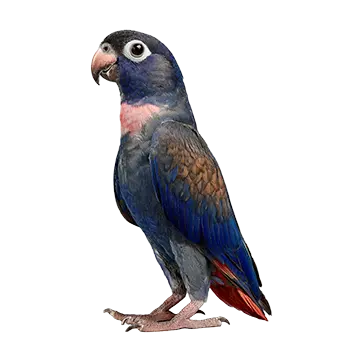

A digital gram scale is arguably the single most important piece of technology a Bronze-Winged Pionus owner can invest in. Body weight is the most sensitive and objective indicator of a parrot's health status, and changes of even a few grams can signal the onset of illness days before behavioral or visual symptoms become apparent. A healthy adult Bronze-Winged Pionus typically weighs between two hundred and two hundred sixty grams, and establishing each individual bird's baseline weight through regular measurement creates a reference point against which any deviation can be quickly identified.
The ideal scale for avian weight monitoring should have a capacity of at least one thousand grams, a resolution of one gram or finer, and a platform large enough for the bird to stand on comfortably. Kitchen scales meeting these specifications are widely available and affordable, though purpose-built avian scales with T-perch attachments offer added convenience by providing a familiar perching surface that the bird can be trained to step onto for weighing. The perch attachment eliminates the need to place the bird in a bowl or container on the scale platform, which can be stressful for some individuals.
Weighing should be conducted at a consistent time each day, ideally in the morning before the first meal, to eliminate the variable of food weight in the crop. Recording each measurement in a log — whether a simple notebook, a spreadsheet, or a dedicated pet health tracking application — creates a longitudinal record that reveals trends invisible in any single measurement. A gradual downward trend of several grams over a week or two, even if each individual reading falls within the normal range, can indicate a developing health problem that warrants veterinary evaluation.
Weight tracking is particularly valuable during dietary transitions, seasonal changes, and periods of stress. A Bronze-Winged Pionus transitioning from a seed-based diet to pellets may reduce its food intake temporarily, and daily weighing provides objective reassurance that the bird is eating enough to maintain body condition — or an early warning that the transition is proceeding too aggressively and needs adjustment. Similarly, weight monitoring during breeding season, molting, or after a household change helps the owner distinguish normal physiological fluctuations from concerning trends.