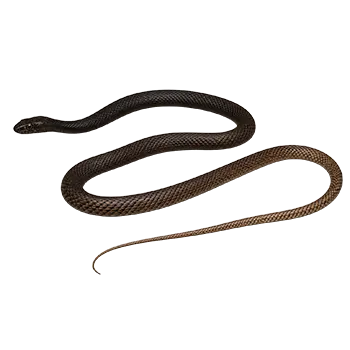

Recognizing the Onset of Aging

Coachwhips (Masticophis flagellum) maintained under good husbandry conditions can live thirteen to twenty years in captivity, with the senior phase generally beginning around ten to twelve years of age. Unlike mammals, snakes do not gray or wrinkle with age, and the transition from a prime adult to a geriatric animal is often subtle enough to be missed entirely unless the keeper is attentive to gradual behavioral and physical changes. The earliest and most reliable indicator of advancing age in Coachwhips is a progressive decline in overall activity level. A species renowned for its explosive speed and constant enclosure patrolling will begin spending more time in its hide, basking for longer periods before becoming active, and moving with noticeably less urgency during its active periods.

Appetite reduction is another hallmark of the senior phase. While seasonal appetite fluctuations are normal throughout adulthood, aging Coachwhips tend to show a baseline reduction in feeding enthusiasm that persists across seasons. The snake may begin refusing every other feeding offer, taking longer to strike at presented prey, or showing a preference for smaller prey items than it accepted during its prime years. These changes reflect a naturally declining metabolic rate and should be accommodated rather than overridden. Attempting to maintain the feeding schedule and prey size of a prime adult in a geriatric animal risks obesity and digestive complications.

Physical changes associated with aging, while less dramatic than behavioral shifts, become apparent on close inspection. The skin may lose some of its luster between shed cycles, appearing slightly duller than the vibrant coloration of the prime years. Muscle tone along the dorsal and lateral body walls may diminish, giving the snake a slightly softer, less defined profile. In some individuals, the spectacle scales over the eyes develop a faint opacity that is distinct from the pre-shed clouding cycle and does not resolve with shedding. These ocular changes may subtly impair the keen vision that defines the species, contributing to the reduced hunting precision sometimes observed in older individuals.

Establishing a baseline record of the snake's normal behavior, feeding patterns, weight, and activity level during its healthy adult years makes the detection of age-related changes far easier. Without this baseline, gradual declines in function can proceed unnoticed until they become severe. Monthly weight records, feeding logs, and even brief behavioral notes documented consistently over the years create a longitudinal health profile that is invaluable for both the keeper and any veterinarian who may need to evaluate the animal's condition as it ages.

Dietary Adjustments for Aging Coachwhips

Feeding management for senior Coachwhips requires a recalibration of both prey size and feeding frequency to match the animal's declining metabolic demands. As a general guideline, feeding frequency should be extended to once every fourteen to twenty-one days, and prey size should be reduced by one category from whatever the snake accepted during its prime years. An adult that was maintained on medium adult mice, for example, might be transitioned to large hoppers or small adult mice during the senior phase. These adjustments prevent the gradual weight gain that occurs when caloric intake exceeds metabolic expenditure in a less active animal.

Digestive efficiency declines with age in all reptilian species, and senior Coachwhips may exhibit longer post-feeding basking periods as they work to maintain the body temperature needed for effective digestion. Ensuring that the basking spot remains at the upper end of the appropriate range, 95 to 100 degrees Fahrenheit, supports digestive function without requiring the snake to spend an excessive amount of time and energy thermoregulating. If the basking zone is inadequate, the senior snake may fail to fully digest its meals, resulting in partially digested prey in the feces or, in more serious cases, regurgitation.

Regurgitation in a senior Coachwhip is a more serious event than in a young adult because the animal has fewer energy reserves to absorb the metabolic cost of the failed feeding attempt. Following any regurgitation episode, the snake should be left undisturbed for at least fourteen days before a small, easily digestible prey item is offered. If regurgitation recurs on the second attempt, veterinary evaluation is warranted to rule out gastrointestinal pathology, retained prey items, or other conditions that may be contributing to digestive failure. Chronic regurgitation in a senior animal that was previously a reliable feeder is often an early indicator of significant internal disease.

Hydration management becomes increasingly important as Coachwhips age. Senior individuals may drink less frequently than they did during their active adult years, and the combination of reduced water intake with the drier enclosure conditions appropriate for the species can lead to chronic low-grade dehydration. Signs include slightly wrinkled skin along the lateral body, increasingly difficult sheds, and dry, chalky urates rather than the moist, white urates produced by a well-hydrated snake. Lightly misting the enclosure once or twice weekly and ensuring the water dish is always full and positioned where the snake can easily access it help maintain adequate hydration without pushing the overall enclosure humidity to unsafe levels.

Enclosure Modifications & Comfort

The enclosure that served a Coachwhip well during its active adult years may need modification as the animal enters its senior phase. The most important adjustment is the addition of easier access points to resources that the snake uses daily. Hides with wider openings reduce the physical effort needed to enter and exit, and water dishes placed on the enclosure floor at substrate level rather than on elevated platforms eliminate the need for the snake to climb or stretch to drink. These seemingly minor changes can make a meaningful difference in the daily comfort and resource access of an aging animal.

Climbing structures and elevated perches that were used enthusiastically during the adult years should be evaluated for safety as the snake ages. Senior Coachwhips may still attempt to climb but may lack the grip strength or coordination to do so safely, increasing the risk of falls that can cause spinal injuries, rib fractures, or internal organ trauma. Lowering or removing tall vertical structures and replacing them with low, horizontal branches or flat cork bark platforms provides environmental complexity without fall risk. Any remaining climbing opportunities should be positioned low enough that a fall to the substrate would not generate harmful impact.

Temperature management in the senior enclosure follows the same general parameters as the adult setup, but with particular attention to the warm end and basking zone. Senior Coachwhips become less efficient at thermoregulating and may need a slightly larger basking area to achieve adequate body temperature without the precise positioning required by a smaller heat spot. Expanding the basking zone by using a broader-beam lamp or adding a secondary low-wattage heat source adjacent to the primary basking spot allows the snake to warm its entire body length more efficiently. Nighttime temperatures should remain in the 68 to 72 degree range, with no drops below 65 degrees, as senior animals are less tolerant of thermal stress than healthy adults.

Substrate choices for senior enclosures should prioritize comfort and ease of cleaning above all other considerations. Paper-based substrates or low-pile reptile carpet provide a smooth, clean surface that is gentle on aging ventral scales and allows immediate detection of abnormal feces or urates. If a naturalistic particulate substrate is preferred, fine aspen shavings maintained at minimal depth offer a compromise between appearance and practicality. Deep loose substrate that requires the snake to push through resistance during movement can exacerbate joint stiffness and muscle fatigue in geriatric animals and should be avoided.

Common Age-Related Health Concerns

Geriatric Coachwhips are susceptible to several health conditions that are uncommon or rare in younger animals. Renal disease is among the most significant and least overtly symptomatic of these conditions in its early stages. The kidneys of aging reptiles gradually lose functional nephrons, reducing their ability to concentrate urates and maintain fluid balance. Early signs of renal insufficiency include persistently watery or discolored urates, increased water intake, and subtle weight loss despite adequate feeding. Advanced renal disease may produce swelling in the posterior body from fluid retention, refusal to feed, and generalized lethargy. Blood chemistry panels performed by a reptile-experienced veterinarian can detect elevated uric acid levels and other markers of renal compromise before clinical signs become severe.

Neoplasia, or cancer, is an increasingly recognized cause of morbidity and mortality in geriatric reptiles, including colubrid snakes. Tumors in Coachwhips may arise in virtually any organ system but are most commonly identified in the integumentary system as visible masses beneath the scales, in the gastrointestinal tract as progressive feeding decline and weight loss, and in the reproductive organs of females that have been used for breeding. External masses should be evaluated by a veterinarian as soon as they are detected, as early surgical removal of accessible tumors can extend quality of life significantly. Internal tumors are more challenging to diagnose and may require radiography, ultrasound, or exploratory surgery for definitive identification.

Musculoskeletal degeneration affects senior Coachwhips in ways that are particularly visible in such an athletic species. The powerful, fluid locomotion that characterizes the prime adult gradually gives way to stiffer, less coordinated movement. The snake may have difficulty coiling tightly around prey items, may struggle to navigate over obstacles that it previously crossed with ease, and may show a preference for resting in extended postures rather than the coiled resting position typical of younger animals. While there are no curative treatments for age-related musculoskeletal decline in reptiles, maintaining appropriate enclosure temperatures and providing a comfortable, low-friction substrate can minimize discomfort.

Ophthalmic changes beyond the mild spectacle opacity mentioned earlier can progress in very old individuals, potentially resulting in significantly impaired vision. A senior Coachwhip with reduced vision may strike inaccurately at prey, fail to locate food items placed in the enclosure, or show an exaggerated startle response to unexpected touch because it did not see the keeper's approach. Adjusting feeding techniques to present prey more slowly and at closer range, reducing sudden movements near the enclosure, and increasing verbal or vibrational cues before opening the enclosure all help accommodate the visually impaired senior animal.

Behavioral Changes in Senior Snakes

The behavioral profile of a senior Coachwhip differs markedly from that of the hyperactive, flight-oriented juvenile and the alert, athletically active adult. The most conspicuous change is a global reduction in activity. Where an adult Coachwhip in its prime might patrol its enclosure for extended periods during each activity cycle, a senior animal may limit its movement to brief excursions between its hide and its basking spot, with little or no exploratory behavior. This reduced activity is a natural consequence of declining metabolic rate and musculoskeletal efficiency and, in the absence of other signs of illness, should be accepted as a normal aspect of aging rather than treated as a problem to be solved.

Defensive behavior in senior Coachwhips often mellows substantially compared to earlier life stages. The intense flight response and rapid striking that characterize younger animals give way to a more subdued reaction to handling and disturbance. Senior individuals may still musk or deliver halfhearted strikes when initially picked up, but the sustained thrashing and repeated biting typical of the species in its youth are usually absent. Some long-term captive seniors become remarkably tolerant of routine handling, to a degree that would have seemed unlikely during their adolescence. This behavioral mellowing, while welcome from a management standpoint, can also mask pain or illness, as a normally reactive animal that becomes suddenly or excessively passive may be experiencing discomfort rather than contentment.

Sleep and rest patterns shift during the senior phase, with the snake spending greater proportions of each twenty-four-hour cycle in its hide. The bimodal activity pattern of the adult years may compress into a single brief active period, often in the late morning when basking temperatures peak. The snake may also become less responsive to environmental stimuli that would have elicited immediate attention during its prime, such as movement outside the enclosure or the opening of the enclosure door for routine maintenance. As with other behavioral changes, these shifts should be monitored for consistency; a sudden rather than gradual increase in hiding and inactivity can indicate illness.

Social tolerance in senior Coachwhips does not change sufficiently to justify altering the single-housing protocol recommended for adults. Even a mellowed geriatric individual retains the ophiophagous instincts and territorial sensitivity that make cohousing dangerous, and the stress of a social encounter would be especially detrimental to an aging animal with limited physiological resilience. The senior Coachwhip should continue to be housed alone, with visual barriers preventing line-of-sight contact with any neighboring snakes in the collection.

Veterinary Care & Quality of Life Assessment

Veterinary oversight should increase in frequency as a Coachwhip enters its senior years. While annual examinations are adequate for healthy adults, biannual visits are recommended for animals over ten years of age. These visits should include a physical examination, body condition assessment, fecal parasite screening, and ideally a blood chemistry panel to monitor renal function, liver enzymes, and uric acid levels. Radiography may be indicated periodically to screen for internal masses, organ enlargement, or skeletal abnormalities that are not detectable on physical examination. Early detection of age-related conditions significantly expands the treatment options available and can extend both the duration and quality of the animal's remaining life.

Quality of life assessment in senior reptiles requires a different framework than that used for companion mammals. Reptiles do not vocalize in pain, rarely display facial expressions that humans can interpret reliably, and can mask illness until their physiological reserves are nearly exhausted. The keeper must therefore rely on objective behavioral and physical indicators to evaluate the animal's welfare. Key quality of life metrics for a senior Coachwhip include the ability to feed voluntarily and digest meals without difficulty, the ability to thermoregulate by moving between enclosure zones, the maintenance of stable or slowly declining body weight without precipitous drops, the absence of visible pain indicators such as persistent abnormal posture, and the retention of normal behavioral patterns even at reduced intensity.

Pain recognition in geriatric Coachwhips deserves specific attention because it is easily overlooked. Signs that may indicate pain or discomfort include persistent body tension, reluctance to move or recoiling when a specific body region is touched, sustained elevation of the head and anterior body without an environmental trigger, refusal to coil into a normal resting posture, and uncharacteristic aggression or defensiveness during handling. Any of these signs should prompt veterinary evaluation, as pain in reptiles can often be managed with anti-inflammatory medications or environmental modifications once the source is identified.

The keeper's role during the senior phase is fundamentally one of attentive stewardship. The relationship between a keeper and a long-lived Coachwhip that has been in their care for a decade or more carries a depth of accumulated knowledge and familiarity that no veterinary examination can replicate. The keeper's intuitive sense that something is subtly different about the animal's behavior, movement, or demeanor is one of the most valuable diagnostic tools available and should always be communicated to the veterinarian. A partnership between an observant keeper and a skilled reptile clinician provides the senior Coachwhip with the best possible care during the final chapter of its life.

Always consult a qualified professional before making any health-related decisions. This content is provided for informational reference only and should not replace professional guidance specific to your animal.