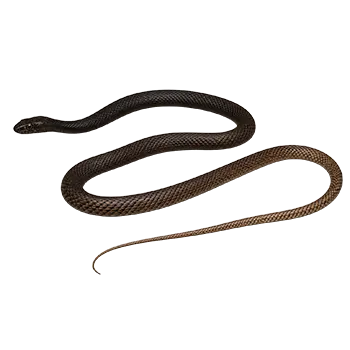

Terminal decline in a Coachwhip (Masticophis flagellum) may develop gradually over weeks or months as the culmination of progressive age-related disease, or it may present acutely following a sudden health event such as organ failure or advanced neoplasia. Distinguishing between the natural slowing of a healthy geriatric snake and the onset of an irreversible decline is one of the most difficult assessments a keeper will face, and it requires both objective observation and an honest reckoning with the limits of what veterinary medicine can achieve for the individual animal. Understanding the hallmarks of terminal decline helps keepers make timely, compassionate decisions rather than allowing suffering to accumulate through indecision.
The most consistent indicator of terminal decline is the sustained inability to maintain basic physiological functions despite optimal husbandry and appropriate veterinary intervention. A Coachwhip that has ceased feeding entirely for an extended period without a seasonal or medical explanation that is amenable to treatment is progressing beyond the point at which recovery is likely. Similarly, a snake that can no longer thermoregulate effectively, remaining on the cool side of the enclosure despite the availability of adequate warmth, or that fails to seek water even when mildly dehydrated, has likely lost the behavioral drive to sustain itself. These are not choices the snake is making but rather reflections of systemic physiological failure.
Weight loss in terminal decline is progressive and unresponsive to feeding attempts or supportive care. The snake's body becomes visibly wasted, with prominent vertebral and rib outlines, sunken paravertebral musculature, and a triangular cross-sectional profile that contrasts sharply with the rounded, muscular silhouette of a healthy Coachwhip. The skin may hang loosely along the body, especially along the ventral and lateral surfaces, and sheds may become increasingly incomplete or may cease entirely as the skin loses its normal regenerative capacity. The eyes may develop a persistent dull or sunken appearance unrelated to the normal pre-shed opaque phase.
Neurological signs, when present, are particularly distressing to observe and often indicate an irreversible process. These may include head tremors, loss of righting reflex when the snake is turned onto its dorsum, uncoordinated or circular locomotion, inability to strike accurately at prey, and episodes of sustained muscle rigidity or flaccidity. Neurological decline in geriatric snakes may result from central nervous system neoplasia, metabolic encephalopathy secondary to renal or hepatic failure, or degenerative neurological disease. Regardless of the underlying cause, significant neurological compromise in an aged Coachwhip rarely responds to treatment and signals that the animal's quality of life has deteriorated below an acceptable threshold.