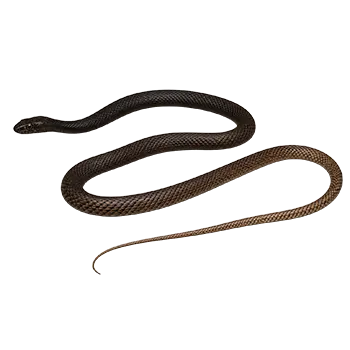

Coachwhips (Masticophis flagellum) typically reach sexual maturity between two and three years of age, though the precise timing is influenced more by body size and overall condition than by age alone. Males tend to mature slightly earlier than females and may begin exhibiting breeding-season restlessness and appetite reduction by their second spring. Females generally require an additional growth season to attain the body mass necessary to support follicular development and egg production without compromising their own health. A female Coachwhip intended for breeding should be at least forty-two inches in total length and in robust body condition before she is cycled for reproduction.
Assessing breeding readiness requires evaluation of several physical and behavioral markers beyond simple age and length. Both sexes should be free of parasitic infection, have a documented history of consistent feeding and healthy shedding, and show no signs of respiratory or dermal disease. Body condition scoring is particularly important for females: a prospective breeding female should have a rounded body profile with well-developed muscle tone and modest fat reserves along the caudal body. Underweight females lack the energy reserves to sustain follicular development and egg formation, while obese females may experience reproductive complications including egg binding and reduced clutch viability.
Sexing Coachwhips can be accomplished through manual probing or visual examination of tail morphology, though probing should only be performed by an experienced individual to avoid injuring the delicate hemipenal tissue. Males generally have longer, thicker tails relative to body length that taper gradually beyond the cloaca, while female tails taper more abruptly. In ambiguous cases, probing by a qualified keeper or veterinarian is the definitive method. Accurate sexing is essential before investing the time and resources required for a brumation cycle and breeding attempt.
The decision to breed Coachwhips in captivity should be made thoughtfully, with a clear plan for the resulting hatchlings. Coachwhip clutches can be substantial, ranging from four to twenty-four eggs depending on the female's size and condition, and each hatchling requires individual housing, feeding, and socialization from birth. The species' challenging temperament and specialized care requirements mean that placing surplus Coachwhips with qualified keepers is more difficult than with beginner-friendly species. Breeding without a realistic placement plan for the offspring is irresponsible and contributes to the welfare problems that arise when demanding species end up in the hands of unprepared keepers.