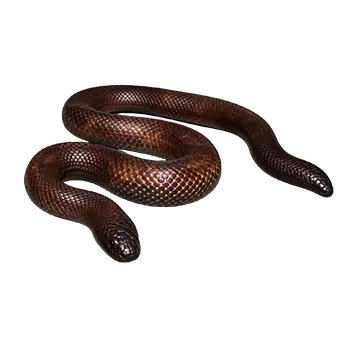

Terminal decline in a Calabar Python (Calabaria reinhardtii) is distinguished from the gradual, manageable aging process by its progressive and irreversible nature. While a senior Calabar Python may show reduced activity and appetite over years while still maintaining acceptable quality of life, terminal decline is characterized by a constellation of symptoms that worsen over weeks or months despite optimal husbandry and veterinary intervention. Recognizing the difference between treatable geriatric conditions and irreversible decline is one of the most difficult challenges a long-term keeper faces, and it requires both objective clinical assessment and the intimate knowledge of individual behavior that only comes from years of daily care.
The hallmark signs of terminal decline in Calabar Pythons include complete and persistent cessation of feeding that extends well beyond any previously observed seasonal fast or pre-shed anorexia. An animal that has not eaten for three months or longer, particularly when environmental conditions are optimal and no treatable illness has been identified, may be entering a terminal phase. Progressive and irreversible weight loss accompanies the feeding refusal, and the snake's body will gradually lose its cylindrical musculature, becoming visibly angular with a prominent spine and increasingly palpable ribs. The skin may take on a dull, dry appearance that does not improve after shedding, and sheds themselves may become increasingly fragmented and difficult.
Neurological signs, though uncommon, may appear in the late stages of terminal decline and include disorientation, loss of righting reflex when placed on the back, star-gazing posture in which the head is persistently tilted or pointed upward, and uncoordinated or circular movement patterns. These signs often indicate advanced organ failure affecting the brain or central nervous system and carry a very poor prognosis. When neurological symptoms appear in a geriatric snake with known underlying conditions, they generally indicate that the disease process has progressed beyond the point where meaningful intervention is possible.
Keepers should consult with their reptile veterinarian at the first signs of sustained decline that does not respond to environmental optimization and supportive care. A thorough diagnostic workup, including bloodwork, imaging, and fecal analysis, can determine whether the decline is driven by a treatable condition or represents the natural conclusion of the animal's lifespan. This information is essential for making informed decisions about the appropriate course of action, whether that involves continued palliative management, intensified treatment, or consideration of humane euthanasia.