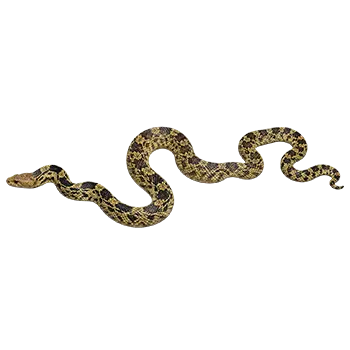

Bull snakes are among the longer-lived colubrid species, with captive individuals commonly reaching 20 to 25 years and some living beyond 30 years with excellent care. The transition into the senior phase is gradual rather than sudden, and most keepers begin to notice age-related changes somewhere between 15 and 20 years of age. There is no single birthday that marks the start of old age, and individual variation plays a significant role in when and how aging manifests.
Early signs of aging may be subtle and easy to overlook. A senior bull snake may become less active overall, spending more time resting in its hide and showing less interest in exploring its enclosure. Appetite may decrease, and the snake may take longer to digest meals. Shedding cycles may become slightly less regular, and the skin between sheds may lose some of its former luster. These changes are gradual and often develop over months or years rather than appearing suddenly.
The snake's lifetime health history plays a major role in how it ages. Bull snakes that have been maintained in optimal conditions throughout their lives, with proper nutrition, appropriate temperatures, clean environments, and regular veterinary care, tend to age more gracefully than those with histories of chronic husbandry problems, obesity, or untreated health issues. The investments made during the snake's youth and prime adult years pay dividends in the quality of its senior years.
Keepers should avoid making the mistake of attributing new symptoms entirely to age without veterinary evaluation. While reduced activity and appetite can be normal age-related changes, they can also be early signs of treatable conditions such as parasitic infections, organ disease, or tumors. A veterinary assessment helps distinguish between normal aging and medical conditions that can be managed with intervention.