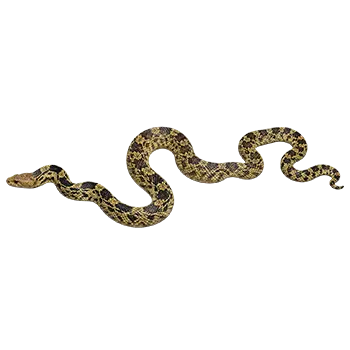

Recognizing when a bull snake is approaching the end of its life requires careful observation and an honest assessment of the animal's overall condition. While some snakes pass away suddenly without warning, many exhibit a gradual decline that, once recognized, allows the keeper to provide appropriate comfort care during the final phase. Understanding these signs helps keepers respond with compassion and preparedness rather than being caught off guard.
Common indicators of terminal decline include sustained and progressive weight loss despite appropriate feeding opportunities, complete and prolonged refusal to eat lasting weeks or months beyond normal seasonal fasting, marked reduction in activity and responsiveness, and an inability to thermoregulate effectively despite proper enclosure conditions. The snake may spend nearly all of its time in one location, often in its hide, and may show little interest in water or its surroundings.
Physical signs may include a dull, sunken appearance to the eyes, loss of muscle tone resulting in a noticeably bony or angular body profile, chronic or recurring incomplete sheds, and discoloration of the skin or scales. In some cases, the snake may develop labored breathing or visible swelling in the abdominal region. These signs can indicate organ failure, advanced infection, or internal tumors that have progressed beyond the point of effective treatment.
It is important to distinguish between treatable conditions and irreversible decline. A veterinary evaluation is essential when end-of-life signs are first observed. Some conditions that appear terminal may in fact be manageable with appropriate intervention. However, when a veterinarian confirms that a condition is progressive and untreatable, the focus should shift from curative efforts to comfort and quality of life.