
Peak Health Maintenance

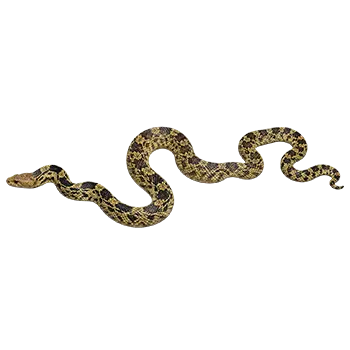
Adult bull snakes, generally reaching maturity between three and four years of age, are robust and low-maintenance reptiles when provided with proper husbandry. At full size, a bull snake typically ranges from four to six feet in length, with some exceptional individuals reaching slightly beyond six feet. Maintaining peak health during the adult years requires consistent attention to the fundamentals: correct temperatures, appropriate feeding, clean water, and a secure, well-maintained enclosure.

Routine health checks at home should be part of every keeper's practice. Examine the snake periodically for external parasites, retained shed, mouth discoloration, unusual lumps or swelling, and any changes in breathing patterns. Familiarity with what is normal for your individual snake is the best foundation for detecting when something is off. Adult bull snakes that have been well-socialized through the juvenile phase are generally tolerant of being examined during handling sessions.

Annual or biannual veterinary visits are recommended for adult bull snakes. A reptile-experienced veterinarian can perform a physical exam, run fecal parasite screens, and check for early signs of issues that may not be apparent to the keeper. These wellness visits are especially valuable as the snake ages, since early detection of health problems improves treatment outcomes significantly.

The adult bull snake's enclosure should be cleaned on a regular schedule. Spot-clean waste as it appears, replace soiled substrate promptly, and perform a full substrate change and enclosure disinfection monthly or as needed. A clean environment is the single most effective preventive measure against bacterial and parasitic infections throughout the snake's adult life.

Nutrition at Maturity

Adult bull snakes have lower caloric needs relative to their body weight than growing juveniles. Feeding an appropriately sized adult mouse or small rat every 10 to 14 days is sufficient for most adult bull snakes. The prey item should be roughly equal to the widest part of the snake's body. Some keepers offer a slightly larger meal on a less frequent schedule, while others prefer smaller meals more often. Both approaches can work well as long as the snake maintains a healthy body condition.

Obesity is the most common nutritional problem in adult captive snakes. An overfed bull snake will develop visible fat deposits along the spine and at the base of the tail, and the body will appear rounded or sausage-shaped rather than muscular and slightly triangular in cross-section. Obese snakes face higher risks of fatty liver disease, reproductive complications, and reduced lifespan. If your snake is overweight, reduce feeding frequency gradually rather than eliminating meals abruptly.

Seasonal appetite fluctuations are common and natural in adult bull snakes. Many adults voluntarily reduce or cease feeding during the cooler months, particularly if they experience any seasonal temperature variation in their enclosure. A healthy adult bull snake can safely fast for several weeks without concern. As long as the snake maintains its body weight and shows no signs of illness, seasonal fasting should not be treated as a problem that needs to be solved.

Frozen-thawed prey remains the safest and most practical feeding method for adults. Ensure prey items are fully thawed and warmed to near body temperature before offering. Never microwave prey, as this creates hot spots that can burn the snake's mouth and digestive tract. Room-temperature thawing followed by a brief soak in warm water is the recommended method.

Enclosure & Environmental Enrichment

An adult bull snake requires a spacious enclosure that allows full-length stretching, thermoregulation, and exploratory behavior. A minimum enclosure size of four feet long by two feet wide by two feet tall is recommended, though larger is always better for an active species like the bull snake. PVC enclosures, large glass terrariums, and custom-built wooden vivariums are all suitable options, provided they offer secure closures and adequate ventilation.

The thermal gradient for adults remains consistent with juvenile requirements: a warm basking area of 85 to 90 degrees Fahrenheit and a cool side of 75 to 80 degrees. Larger enclosures make it easier to establish a smooth gradient with a range of intermediate temperatures. This allows the snake to fine-tune its body temperature throughout the day, which supports digestion, immune function, and overall metabolic efficiency.

Environmental enrichment is beneficial for adult bull snakes and should not be overlooked simply because the snake has reached maturity. Cork bark tubes, climbing branches, ledges, and varied substrate depths that allow burrowing all promote natural behaviors. Periodically rearranging enclosure furniture provides novel stimuli that encourage exploration. Enriched environments have been associated with reduced stress behaviors and improved overall well-being in captive reptiles.

Lighting is often underestimated in snake keeping. While bull snakes do not require UVB lighting in the same way that many lizards do, providing a natural photoperiod with ambient room lighting or a low-wattage overhead light on a timer supports healthy circadian rhythms. A consistent light cycle of approximately 12 hours of light and 12 hours of darkness during the summer months, reduced to 10 and 14 during winter, mimics natural seasonal variation and supports behavioral health.

Preventive Health Care

Preventive care for adult bull snakes revolves around consistent husbandry, routine observation, and periodic veterinary evaluation. The most impactful preventive measure is maintaining a clean, temperature-appropriate enclosure. The vast majority of common health problems in captive bull snakes, including respiratory infections, scale rot, and parasitic infestations, can be traced back to suboptimal environmental conditions.

Parasite management is an ongoing consideration. Internal parasites such as roundworms, hookworms, and coccidia can persist at low levels without obvious symptoms but can flare up during periods of stress or immune suppression. Annual fecal exams detect these parasites before they cause clinical disease. External parasites, particularly snake mites, should be watched for during every handling session. Early detection and treatment prevents infestations from becoming established and spreading to other animals in the collection.

Shed quality is a reliable barometer of overall health. An adult bull snake that consistently produces clean, complete sheds in one piece is well-hydrated and maintained in appropriate humidity conditions. Any deviation from this pattern, such as fragmented sheds, retained eye caps, or retained tail tips, should prompt a review of humidity levels, hydration access, and overall health status.

Keep a long-term health record for your bull snake that tracks feeding dates and prey sizes, shed dates and quality, weight measurements taken periodically, any health concerns or veterinary visits, and behavioral observations. Over the years, this record reveals trends and patterns that are invaluable for proactive health management. A keeper who can tell their veterinarian exactly when feeding behavior changed or when sheds began to deteriorate provides far more useful diagnostic information than one relying on memory alone.

Behavioral Maturity

Adult bull snakes are generally calmer and more predictable than their juvenile counterparts. The dramatic hissing, tail-buzzing, and bluff-striking behaviors that characterize the juvenile phase typically diminish significantly as the snake reaches maturity. A well-handled adult bull snake often becomes remarkably docile, tolerating extended handling sessions and showing little defensive behavior under normal circumstances.

Despite their calmer disposition, adult bull snakes retain strong feeding responses. It is important to establish clear distinctions between handling time and feeding time to avoid accidental strikes. Washing hands before handling, using a hook to gently lift the snake from its enclosure before handling, and never reaching into the enclosure immediately after handling prey items are simple practices that prevent feeding-response bites.

Seasonal behavioral changes are common in adult bull snakes. During the cooler months, many adults become less active, eat less, and spend more time in their hides. In the spring, activity levels increase, and males in particular may become restless and more active as breeding season approaches. Understanding these natural cycles helps keepers avoid unnecessary concern when their snake's behavior shifts with the seasons.

Adult bull snakes display individual personalities that become more apparent over time. Some individuals are perpetually calm and curious, readily exploring new environments during handling. Others remain more reserved and prefer the security of their enclosure. Respecting the individual temperament of your snake and adapting your handling approach accordingly leads to a more positive relationship for both the keeper and the animal.

Shedding & Skin Maintenance

Adult bull snakes shed less frequently than juveniles, typically every six to eight weeks under normal conditions. The shedding process follows the same phases as in younger snakes: the skin dulls, the eyes become cloudy, the eyes clear, and then the shed occurs. The entire cycle from first dullness to completed shed usually spans 10 to 14 days. During this time, handling should be minimized, and a humid hide should be provided to support a clean shed.

The quality of each shed is an important indicator of health and environmental conditions. A complete shed that peels off in one unbroken piece, including intact eye caps, indicates proper hydration and humidity. Adult bull snakes kept in appropriately dry conditions with access to a humid microenvironment for shedding rarely experience shed complications. If incomplete sheds become a recurring issue, evaluate the enclosure's overall humidity, the snake's access to water, and whether a humid hide is available and being used.

Retained shed on an adult bull snake is more than a cosmetic issue. Retained eye caps can build up over multiple shed cycles and eventually impair vision or lead to infection. Retained shed around the tail tip can constrict blood flow and cause tissue death. If retained shed is discovered, a supervised soak in shallow lukewarm water for 15 to 20 minutes followed by gentle manual removal with a damp cloth usually resolves the issue. Persistent or recurring retained shed warrants veterinary consultation to rule out underlying health problems.

Between sheds, the skin of a healthy adult bull snake should appear smooth, glossy, and free of blemishes. Any areas of discoloration, roughness, blistering, or abnormal texture should be investigated. Abrasions from rough enclosure surfaces, burns from unregulated heat sources, and early-stage bacterial infections all present as skin abnormalities that are easier to treat when caught early.

Always consult a qualified professional before making any health-related decisions. This content is provided for informational reference only and should not replace professional guidance specific to your animal.