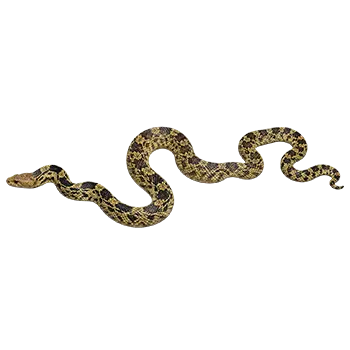

Bull snakes should not be bred until they have reached full physical maturity, which typically occurs at three to four years of age for both males and females. While some individuals may be sexually mature earlier, breeding young snakes that have not finished growing places unnecessary strain on their bodies and can result in smaller clutches, egg-binding complications in undersized females, and long-term health consequences. Size is a more reliable indicator of readiness than age alone. A female bull snake should be at least four feet in length and in robust body condition before being considered for breeding.
Both the male and female should be in excellent health with no history of recent illness, parasitic infection, or significant weight loss. A pre-breeding veterinary examination is highly recommended, including a fecal parasite screen and general physical assessment. Breeding places significant physiological demands on both snakes, particularly the female, and starting from a foundation of optimal health is essential for a successful outcome.
Nutritional preparation begins several months before the intended breeding season. Females should be offered slightly larger or more frequent meals in the late summer and early fall preceding the breeding season to build up the fat reserves needed for egg production. Males also benefit from being in peak condition, as the breeding season often involves reduced appetite and increased activity. Both snakes should be at healthy weights, neither obese nor underweight, before brumation begins.
Keepers should also have a clear plan for the resulting hatchlings before breeding takes place. A single bull snake clutch can produce anywhere from 5 to 20 or more eggs, and each hatchling will need individual housing, feeding, and eventual placement in a responsible home. Breeding without a plan for the offspring is irresponsible and contributes to the problem of unwanted reptiles in the pet trade.