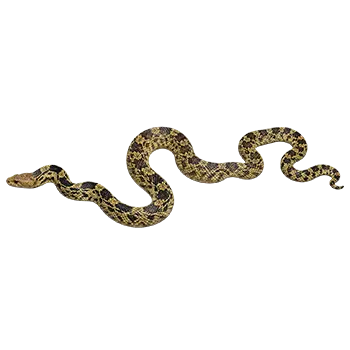

The First 24 Hours

Bull snake hatchlings emerge from their eggs after an incubation period of roughly 60 to 75 days. When a hatchling first breaks through the eggshell using its egg tooth, it may remain partially inside the egg for several hours while it absorbs the last of its yolk sac. During this time, it is critical not to pull the hatchling from the egg or rush the process. The yolk sac provides essential nutrients that fuel the snake's first days of independent life, and premature removal can lead to complications.

Once fully emerged, a newborn bull snake typically measures between 12 and 18 inches in length. The hatchling will appear alert but may be relatively still as it adjusts to its new environment. It is important to have a clean, warm, and secure enclosure prepared in advance. A small, simple setup with minimal open space helps the hatchling feel secure and reduces stress during this vulnerable period.

During the first 24 hours, the hatchling should not be handled. Allow it to explore its enclosure and settle in without disturbance. Ensure the enclosure is escape-proof, as newborn bull snakes are surprisingly strong and can push through gaps that seem impossibly small. A secure lid with appropriate ventilation is non-negotiable for hatchling enclosures.

Fresh water should be available from the moment the hatchling is placed in its enclosure. Use a shallow dish that the snake can easily enter and exit without risk of drowning. Many hatchlings will soak in their water dish shortly after emerging, which helps with hydration and the upcoming first shed.

First Feeding & Nutrition

Newborn bull snakes will not eat immediately after hatching. Most hatchlings refuse food until after their first shed, which typically occurs within 7 to 14 days of hatching. Offering food before the first shed is generally futile and can add unnecessary stress. Patience during this initial fasting period is essential, and keepers should not be alarmed by the hatchling's refusal to eat.

After the first shed, offer appropriately sized pinky mice as the first meal. The prey item should be no wider than the widest part of the hatchling's body. Bull snake hatchlings are typically large enough to take standard pinky mice right from the start, which is one advantage of working with this species compared to smaller colubrid hatchlings.

Some hatchlings accept their first meal readily, while others require encouragement. If a hatchling refuses a thawed pinky mouse, try leaving the prey item in the enclosure overnight in a small dish. Scenting the pinky with a lizard or frog scent can also stimulate a feeding response in reluctant feeders. Warming the prey item slightly before offering can make it more appealing, as bull snakes rely heavily on heat detection when locating food.

Establishing a consistent feeding schedule of once every five to seven days is ideal for hatchlings. Avoid the temptation to feed more frequently in an effort to accelerate growth. Overfeeding can lead to regurgitation, obesity, and long-term health issues. Each feeding should be followed by a period of minimal handling to allow proper digestion.

Hatchling Enclosure Setup

A properly set up enclosure is foundational to the health and well-being of a newborn bull snake. For hatchlings, a small enclosure is preferable to a large one. A 10-gallon tank or a similarly sized plastic tub works well for the first several months of life. Excess space can make a tiny hatchling feel exposed and insecure, which leads to stress, defensive behavior, and feeding refusal.

The substrate should be simple and easy to monitor. Paper towels or unprinted newspaper are excellent choices for hatchlings because they allow the keeper to observe droppings, detect mites, and maintain cleanliness with minimal effort. Avoid loose substrates such as sand, cedar shavings, or fine bark chips, as these can be accidentally ingested during feeding and cause impaction.

Provide at least two hiding spots, one on the warm end and one on the cool end of the enclosure. This allows the hatchling to thermoregulate without sacrificing its sense of security. Cork bark, half-logs, or simple overturned containers with entry holes all work well. The hides should be snug enough that the hatchling can feel the walls of the hide touching its body, which provides a sense of security.

A shallow water dish completes the basic setup. The dish should be heavy enough to resist tipping and shallow enough that the hatchling cannot become submerged. Change the water daily and sanitize the dish regularly to prevent bacterial growth. As the hatchling grows, the enclosure and its furnishings will need to be scaled up accordingly.

Temperature & Humidity

Thermoregulation is essential for all reptiles, and bull snake hatchlings are no exception. The enclosure should provide a thermal gradient with a warm side maintained between 85 and 90 degrees Fahrenheit and a cool side between 75 and 80 degrees Fahrenheit. This gradient allows the hatchling to move between temperatures as its body requires, supporting digestion, immune function, and overall metabolic health.

Under-tank heating pads connected to a reliable thermostat are the most common and effective way to provide belly heat for hatchlings. The thermostat is not optional. Without one, heating pads can reach dangerously high temperatures that cause thermal burns, which are one of the most common injuries in captive snakes. Overhead heating elements can also be used but must be screened off to prevent direct contact.

Nighttime temperatures can drop slightly, to around 72 to 75 degrees Fahrenheit on the cool side, which mimics the natural temperature fluctuations bull snakes would experience in the wild. Avoid letting temperatures drop below 70 degrees, as prolonged cold exposure compromises the hatchling's immune system and digestive function.

Humidity for bull snake hatchlings should be kept moderate, generally between 40 and 50 percent. Bull snakes are native to dry grasslands and prairies, so they do not require the elevated humidity levels that tropical species need. However, during shedding periods, a slightly damp hide or a light misting can help ensure a clean, complete shed. Persistent high humidity in the enclosure can lead to respiratory infections and scale rot.

The First Shed

The first shed is a significant milestone for any hatchling snake. Bull snake hatchlings typically enter their first shed cycle within one to two weeks of hatching. The process begins when the snake's skin takes on a dull, hazy appearance and the eyes become cloudy or opaque, often described as being "in blue." During this phase, the hatchling's vision is impaired, and it may become more reclusive and defensive than usual.

The cloudy phase usually lasts three to five days, after which the eyes clear up. The actual shedding of the skin typically occurs one to three days after the eyes clear. A healthy hatchling in a properly maintained enclosure should shed its skin in one complete piece. If the shed comes off in patches or pieces, this indicates that the humidity may be too low or that the hatchling is dehydrated.

During the pre-shed period, do not attempt to feed or handle the hatchling. Its reduced vision and heightened defensiveness make handling stressful and increase the risk of a defensive bite. Provide a humid hide, which can be as simple as a container filled with damp sphagnum moss, to give the hatchling a microenvironment with elevated moisture for shedding.

After the shed is complete, inspect the shed skin to ensure it came off in one piece. Pay particular attention to the eye caps and tail tip, as retained shed in these areas is common and can lead to serious complications if not addressed. If retained shed is found, a brief soak in lukewarm water followed by gentle removal with a damp cloth is usually sufficient. Persistent retained shed warrants a consultation with a reptile-experienced veterinarian.

Health Monitoring & Vet Visits

Hatchling bull snakes are generally hardy, but their small size means that health issues can escalate quickly. Regular observation is the keeper's most important tool for early detection of problems. Watch for signs of illness including lethargy beyond normal resting behavior, wheezing or open-mouth breathing, bubbles around the nostrils, refusal to eat for more than three consecutive feeding attempts after the first shed, and any visible swelling or discoloration.

A wellness check with a reptile-experienced veterinarian within the first month of the hatchling's life is strongly recommended. This initial visit establishes a baseline health assessment and allows the veterinarian to check for common hatchling issues such as parasites, respiratory infections, and congenital abnormalities. Bring a fresh fecal sample to the appointment for parasite screening.

Mites are a common concern for captive snakes of all ages, but hatchlings are particularly vulnerable due to their small body mass. Inspect the hatchling regularly by checking around the eyes, under the chin, and in the heat pits for tiny black or red moving dots. If mites are detected, consult your veterinarian for an appropriate treatment protocol safe for young snakes.

Maintain a simple health log from day one. Record feeding dates and whether the meal was accepted, shedding dates and quality, any behavioral changes, and the results of veterinary visits. This log becomes an invaluable diagnostic tool over the life of the snake and helps the veterinarian identify patterns that might otherwise go unnoticed.

When to Worry

While bull snake hatchlings are resilient animals, certain signs should prompt immediate concern and veterinary attention. Regurgitation after feeding is a serious red flag. Occasional refusal to eat is normal, but vomiting a meal that was already swallowed can indicate temperatures that are too low, a prey item that was too large, handling too soon after feeding, or an underlying illness. If regurgitation occurs, wait at least 10 to 14 days before offering a smaller meal, and ensure the thermal gradient in the enclosure is correct.

Respiratory infections are among the most common health problems in captive snakes and can progress rapidly in hatchlings. Symptoms include audible breathing, mucus or bubbles around the mouth or nostrils, frequent open-mouth breathing, and the snake holding its head elevated for extended periods. Respiratory infections require veterinary treatment with appropriate antibiotics, and delaying care can be fatal in small snakes.

Failure to thrive is a more subtle but equally concerning issue. A hatchling that consistently refuses food after the first shed, loses weight, or fails to grow at a reasonable pace may have an underlying parasitic infection, a congenital issue, or may be experiencing chronic stress from environmental problems. Evaluate the enclosure setup, temperature, and humidity, and consult a veterinarian if the problem persists.

Stargazing, which presents as the snake pointing its head upward and appearing disoriented, can be a sign of a neurological condition called inclusion body disease or other serious health problems. Similarly, any inability to right itself when turned over, persistent tremors, or erratic corkscrew movements warrant immediate veterinary evaluation. Early intervention gives the hatchling the best chance of recovery in cases where treatment is available.

Always consult a qualified professional before making any health-related decisions. This content is provided for informational reference only and should not replace professional guidance specific to your animal.