
Growth & Physical Development

Bull snakes grow rapidly during their juvenile phase, which spans roughly from three months of age through their second or third year. During this period, a hatchling that started at 12 to 18 inches can reach lengths of three feet or more. Growth rate varies depending on feeding frequency, prey size, genetics, and husbandry quality. Consistent, healthy growth is a much better indicator of well-being than rapid size gain achieved through power feeding.

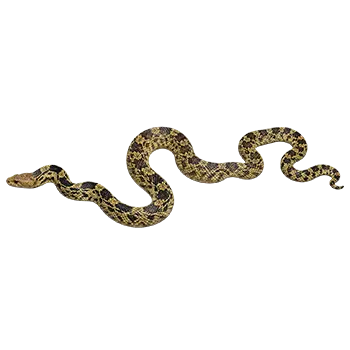
As the juvenile bull snake grows, its color pattern may shift subtly. Hatchlings tend to have more vivid and contrasting markings, while juveniles often develop richer base colors and more defined saddle patterns as they mature. This color development continues throughout the juvenile phase and into early adulthood. Observing these gradual changes is one of the pleasures of raising bull snakes from a young age.

Shedding frequency increases during periods of rapid growth. A healthy juvenile bull snake may shed every three to five weeks, compared to the less frequent shedding seen in adult snakes. Each shed should come off cleanly and in one piece. Frequent incomplete sheds during the juvenile phase can indicate chronic low humidity, dehydration, or nutritional deficiencies and should be addressed promptly.

Regularly measuring and recording the snake's length and weight provides valuable data for tracking growth. A kitchen scale accurate to the gram is useful for weighing juveniles. Consistent weight gain over time is expected, while sudden weight loss, a plateau lasting several months, or an overly rapid increase may signal feeding issues, parasites, or improper husbandry that should be investigated.

Nutrition & Diet Progression

As the juvenile bull snake grows, its prey items must scale accordingly. The general rule of thumb is that prey should be roughly equal to the widest part of the snake's body. A juvenile that started on pinky mice will progress through fuzzy mice, hoppers, and eventually small adult mice over the course of the first year or two. The transitions between prey sizes should be gradual, and the snake should be well-established on one size before moving to the next.

Feeding frequency during the juvenile phase is typically once every seven to ten days. Some keepers prefer a slightly more frequent schedule for very young juveniles and gradually extend the interval as the snake matures. Overfeeding is a common mistake during this growth phase, as keepers may be eager to see their snake reach adult size. A healthy juvenile should have a rounded but not distended body profile, with a visible spine ridge being a sign of underweight and a body that appears sausage-like indicating overweight.

Pre-killed or frozen-thawed prey is strongly recommended over live feeding. Live prey can bite, scratch, and injure the snake, and these injuries can lead to infections that are particularly dangerous in growing snakes. Transitioning a juvenile to frozen-thawed prey early in life is much easier than attempting the switch with an established adult that has been conditioned to live food.

Hydration is an often-overlooked aspect of juvenile nutrition. Fresh, clean water should always be available, and the water dish should be large enough for the growing snake to soak in if it chooses. Many juvenile bull snakes soak more frequently than adults, particularly before shedding. Ensure the dish is cleaned and refilled daily, as snakes frequently defecate in their water.

Behavioral Development

Juvenile bull snakes are known for their spirited defensive displays, and understanding this behavior is essential for keepers during this phase. When threatened, a juvenile bull snake will often coil, hiss loudly, vibrate its tail against the substrate to mimic a rattlesnake, and strike with a closed mouth. These displays are bluffs designed to deter predators, and while they can be startling, they are a normal and healthy part of bull snake behavior.

Defensive behavior tends to peak during the juvenile and adolescent phase. Many keepers find that their young bull snakes are significantly more reactive and nippy than they will be as adults. This is not a reflection of poor temperament or a permanently aggressive personality. With consistent, patient handling and positive interactions, the vast majority of juvenile bull snakes calm down considerably as they mature.

Juvenile bull snakes are also highly active and exploratory compared to adults. They will spend more time moving through their enclosure, investigating new objects, and climbing when given the opportunity. This increased activity is driven by natural instincts to explore territory, find food, and locate ideal microhabitats. Providing a stimulating enclosure with climbing opportunities and varied terrain supports this natural behavior.

Feeding responses become stronger and more reliable during the juvenile phase. A well-established juvenile will typically recognize feeding cues and strike at prey with confidence. However, occasional fasting periods are normal, particularly during seasonal changes or around shedding cycles. A juvenile that refuses one or two meals is rarely cause for alarm, but prolonged refusal beyond a month warrants a closer look at environmental conditions.

Handling & Taming

Regular, gentle handling is the key to producing a calm, tractable adult bull snake. Begin handling sessions after the snake has been in its enclosure for at least a week and has accepted its first meal. Start with short sessions of five to ten minutes, two to three times per week, and gradually increase the duration as the snake becomes more comfortable with human contact.

Approach the juvenile from the side rather than from above, as an overhead approach mimics a predator and triggers defensive responses. Support the snake's body fully and avoid gripping or restraining it tightly. Let the snake move through your hands at its own pace. Calm, confident movements on the part of the handler help convey that there is no threat, while jerky or hesitant movements can make the snake more anxious.

Avoid handling for 48 hours after feeding to prevent regurgitation, and skip handling sessions when the snake is in its pre-shed blue phase. During these times, the snake is more vulnerable and more likely to be defensive. Respecting these boundaries builds trust over time and leads to a more relaxed snake in the long run.

Bites from juvenile bull snakes are not dangerous to humans but can be surprising. If bitten, remain calm and avoid pulling the snake off, as this can damage the snake's teeth and your skin. Simply hold still or gently run cool water over the snake's head, and it will typically release on its own. Reacting with panic or roughly removing the snake reinforces the defensive behavior you are trying to reduce. After a bite, continue the handling session briefly before returning the snake to its enclosure so that it does not learn that biting earns an immediate return to safety.

Enclosure Upgrades

As the juvenile bull snake grows, its enclosure must be upgraded to provide adequate space for movement and thermoregulation. A general guideline is that the enclosure should be at least as long as the snake and at least half the snake's length in width. For a juvenile that has reached two to three feet, a 30 to 40 gallon enclosure or equivalent-sized PVC or plastic enclosure is appropriate.

The thermal gradient requirements remain the same as for hatchlings, with a warm side of 85 to 90 degrees Fahrenheit and a cool side of 75 to 80 degrees. However, heating the larger enclosure may require upgrading to a larger heat mat, adding a secondary heat source, or switching to a radiant heat panel. Regardless of the heat source, a thermostat remains essential. As the enclosure size increases, verify the gradient with thermometers placed on each end rather than relying on a single reading.

Substrate can be transitioned from paper towels to a more naturalistic option during the juvenile phase. Aspen shavings are a popular and safe choice for bull snakes, as they allow burrowing behavior, are absorbent, and do not hold excessive moisture. Avoid cedar and pine shavings, which contain aromatic oils that are toxic to reptiles. Coconut fiber and cypress mulch are suitable alternatives, though they retain more moisture and should be monitored to prevent humidity from rising too high.

Enrichment becomes increasingly important as the snake grows. Add branches, cork bark tubes, and textured surfaces for climbing and exploration. Bull snakes are semi-fossorial and enjoy burrowing, so providing a deep substrate area where they can tunnel is beneficial. Multiple hides of appropriate size should be available on both the warm and cool ends. An enriched environment promotes natural behaviors and reduces stress-related issues.

Common Juvenile Health Issues

Respiratory infections remain one of the most common health concerns for juvenile bull snakes. Symptoms include wheezing, excess mucus around the mouth or nostrils, open-mouth breathing, and lethargy. Respiratory infections are frequently caused by enclosure temperatures that are too low, excessive humidity, or poor ventilation. Correcting husbandry issues is a critical part of treatment alongside veterinary-prescribed medications.

Internal parasites are another concern during the juvenile phase, particularly in snakes that were wild-caught or obtained from breeders with large collections. Symptoms can include irregular feeding patterns, weight loss despite eating, foul-smelling or unusually runny stools, and regurgitation. Annual fecal exams by a reptile veterinarian are recommended, and more frequent testing may be warranted if symptoms are observed.

Scale rot is a bacterial skin infection caused by prolonged contact with damp or soiled substrate. It presents as discolored, reddish, or blistered scales on the belly and lower sides. Juvenile snakes kept on wet substrate or in enclosures with poor drainage are most susceptible. Treatment involves moving the snake to a dry, clean substrate, applying veterinarian-recommended topical treatments, and correcting the environmental conditions that caused the issue.

Mouth rot, or infectious stomatitis, is a bacterial infection of the mouth that can occur in snakes of any age but is particularly dangerous in juveniles. Signs include redness, swelling, or cheesy discharge around the gums and mouth lining, reduced appetite, and reluctance to strike at prey. Mouth rot requires veterinary treatment and can spread rapidly if left untreated. Maintaining clean enclosure conditions and offering appropriately sized prey reduces the risk of this condition.

Socialization & Environmental Exposure

Socialization for snakes differs fundamentally from socialization in mammals. Snakes do not form social bonds in the way that dogs or cats do, but they can become acclimated to routine interactions, handling, and environmental stimuli. The goal during the juvenile phase is to produce a snake that is calm and tolerant of handling, enclosure maintenance, and the normal sights and sounds of a household.

Expose the juvenile gradually to different stimuli. Placing the enclosure in a room with moderate household activity helps the snake acclimate to movement, sounds, and vibrations. Avoid placing the enclosure in a high-traffic area directly, as this can be overwhelming for a young snake. A room where people spend time but do not create sudden loud noises is ideal for gradual acclimatization.

Handling by different people can be beneficial if done thoughtfully. Each person should use the same calm, supportive handling technique. Exposing the juvenile to varied but gentle experiences, such as being handled in different rooms or spending supervised time on different surfaces, broadens its comfort zone. These experiences should always be kept short and stress-free, and the snake should always be returned to its enclosure if it shows signs of significant distress.

Bull snakes should always be housed individually. Despite their tolerance of handling, bull snakes are solitary animals that can become stressed, aggressive, or cannibalistic when housed with other snakes. Cohabitation offers no benefit to the snakes and introduces risks of disease transmission, competition for resources, and physical harm. Each juvenile bull snake should have its own appropriately sized enclosure with its own heat source, hides, and water.

Always consult a qualified professional before making any health-related decisions. This content is provided for informational reference only and should not replace professional guidance specific to your animal.