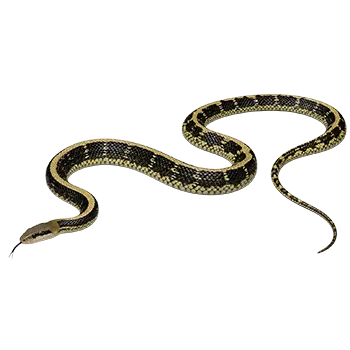

Beauty Snakes (Orthriophis taeniurus) typically enter their senior years between twelve and fifteen years of age, depending on the individual's genetics, lifetime husbandry conditions, and reproductive history. There is no single abrupt event that marks the transition from mature adult to geriatric animal; rather, aging manifests as a gradual constellation of changes that observant keepers will detect over months and years. Understanding these changes as a normal part of the species' life trajectory — rather than as symptoms to be eliminated — allows keepers to adapt their care proactively and maintain the animal's comfort and dignity through its final phase of life.
One of the earliest and most reliable indicators of advancing age in Beauty Snakes is a sustained decline in overall activity level. An animal that once patrolled its enclosure regularly throughout the evening and night hours may begin spending longer periods resting in a single hide or on a preferred perch, with shorter and less frequent bouts of active exploration. This reduced activity reflects a natural slowing of metabolic rate and muscular vitality rather than illness, though it should be noted that sudden or dramatic declines in activity can also signal acute health problems and should prompt a veterinary evaluation to rule out treatable conditions.
Physical appearance changes subtly but perceptibly as Beauty Snakes age. Coloration may become somewhat muted, with the vivid contrasts of youth giving way to a more subdued palette. Skin elasticity gradually decreases, and the body profile may take on a slightly leaner, more angular quality even in animals that are being fed appropriately. Muscle tone along the dorsal surface may diminish, and the snake may appear less robust overall compared to its prime years. These changes are analogous to the visible aging seen in domestic mammals and are a normal part of the biological aging process in reptiles.
Reproductive function declines and eventually ceases during the senior years. Females that were previously productive breeders may produce smaller clutches with reduced fertility rates, and many will stop ovulating entirely after a certain age. Males may continue to display mating behaviors for some time after females have become reproductively inactive, but sperm quality and mating vigor also diminish with age. Breeding should be discontinued in senior Beauty Snakes, as the metabolic and physical demands of reproduction place undue strain on aging organ systems and can hasten decline.