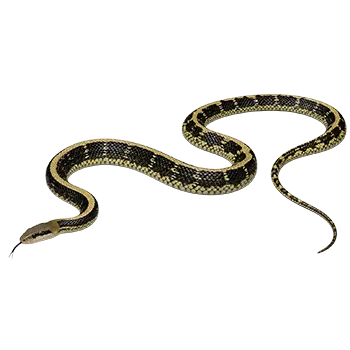

The transition from manageable geriatric decline to terminal deterioration in a Beauty Snake (Orthriophis taeniurus) is not always marked by a single dramatic event. More often, it presents as an acceleration of the gradual changes that have been unfolding over the animal's senior years — reduced activity, declining appetite, weight loss, and increasing vulnerability to illness — reaching a point where the cumulative burden overwhelms the body's ability to compensate. Recognizing this inflection point requires both familiarity with the individual animal's baseline behavior and an honest willingness to assess the situation objectively, separating the keeper's hope for recovery from the observable clinical reality.
Persistent and progressive weight loss despite appropriate feeding attempts is one of the most significant indicators of terminal decline. A snake that has refused food for three or more months and has lost a substantial percentage of its peak body weight — particularly if the refusal persists regardless of prey type, presentation method, and environmental optimization — is likely experiencing systemic organ failure, advanced neoplasia, or another irreversible condition that has eliminated the animal's ability to feed and sustain itself. While seasonal fasting is normal in healthy adults, a geriatric animal that enters a prolonged fast without the physiological reserves to sustain it is in a fundamentally different and far more precarious situation.
Loss of basic motor coordination is another hallmark of terminal decline. A Beauty Snake that can no longer right itself when placed on its back, that holds its body in abnormal postures such as persistent lateral curvature or stargazing, or that moves with visibly labored and uncoordinated effort may be experiencing neurological deterioration, severe musculoskeletal degeneration, or organ failure affecting the central nervous system. These symptoms represent a profound loss of the animal's functional capacity and are rarely reversible in aged individuals, particularly when they develop gradually rather than appearing suddenly as the result of an acute, potentially treatable condition.
Chronic, recurrent, or treatment-resistant infections are a frequent feature of the terminal phase. An aging immune system that can no longer mount effective responses to common pathogens leaves the animal vulnerable to respiratory infections, dermal infections, oral infections, and systemic sepsis that would have been manageable earlier in life. A senior Beauty Snake that cycles through repeated courses of antibiotic treatment without sustained improvement, or that develops new infections shortly after completing treatment for a previous one, is demonstrating immune exhaustion — a condition in which the body's defensive capacity has been fundamentally compromised beyond recovery.