
The First 24 Hours

Beauty Snakes (Orthriophis taeniurus) are oviparous colubrids, and hatchlings emerge from eggs deposited by the female roughly sixty to seventy days prior under appropriate incubation conditions. A typical clutch from a healthy adult female contains five to twelve eggs, though clutch size varies based on the female's age, body condition, and subspecies. Hatchlings use a small, keratinous egg tooth on the tip of the upper jaw to slit the leathery eggshell in a process called pipping. The initial slit may appear hours before the hatchling fully emerges, and keepers should resist any urge to assist the process, as premature interference can damage the delicate neonate or cause it to exit the egg before it has fully absorbed its yolk sac.

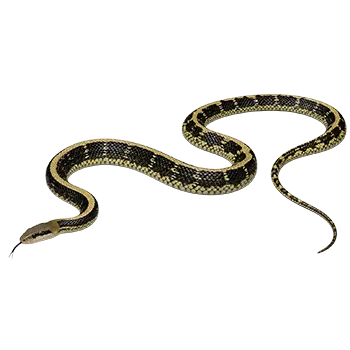
Newly emerged Beauty Snake hatchlings measure approximately twelve to sixteen inches in total length and display the species' characteristic dorsal patterning from birth, though the colors are often more vivid and sharply contrasted in neonates than in adults. Unlike some of the more placid colubrid species, Beauty Snake hatchlings tend to be alert, fast-moving, and readily defensive when disturbed. Striking, musking, and rapid flight are all normal behaviors for neonates of this species and should not be interpreted as signs of distress or poor husbandry. These defensive responses are hardwired survival mechanisms that serve the species well in its native habitat across East and Southeast Asia.

The incubation container should remain undisturbed until all viable eggs in the clutch have hatched, a process that can span twenty-four to forty-eight hours from the first pip. Hatchlings that have fully emerged and are moving freely can be gently transferred to individual holding containers using a soft cloth or snake hook. Separating hatchlings individually prevents competition for resources, reduces stress-related aggression, and allows the keeper to monitor each animal's feeding response, shedding, and overall condition independently. Any eggs that show no pipping activity within seventy-two hours of the first emergence are unlikely to be viable and should be carefully opened for inspection before being discarded.

Cleanliness in the hatching area is paramount. Eggshell fragments, residual egg fluid, and any non-viable eggs should be removed promptly to minimize the risk of bacterial and fungal contamination. The ambient temperature around the hatching containers should be maintained at 80 to 84 degrees Fahrenheit with relative humidity between 75 and 85 percent. These conditions approximate the final phase of incubation and help the hatchlings transition smoothly into their post-emergence environment without the added stress of abrupt temperature or humidity shifts.

First Feeding and Nutrition

Beauty Snake hatchlings typically complete their first shed within seven to twelve days of emergence, and feeding should not be attempted until this initial ecdysis is complete. The first shed is a physiological milestone signaling that the hatchling has fully metabolized its residual yolk reserves and its gastrointestinal tract is prepared for external food intake. Offering prey before the first shed is generally unproductive and adds unnecessary stress to an already vulnerable animal, so patience during this brief waiting period pays dividends in establishing a reliable feeding response.

Appropriate first prey items for Beauty Snake hatchlings are pinky or fuzzy mice, selected to be no wider than roughly one and a half times the diameter of the snake's head at its widest point. Orthriophis taeniurus is generally regarded as an eager feeder, and most hatchlings will strike at prey with minimal encouragement. All prey should be offered pre-killed or thawed from frozen to eliminate any risk of injury from live rodent bites, which can cause serious wounds to small neonates. Present the prey item using long feeding tongs, wiggling it gently in front of the hatchling to simulate movement and trigger a predatory strike. Most hatchlings will constrict the prey item before swallowing, even when the prey is already dead, which is entirely normal constrictor behavior.

Feeding frequency for neonates should be every five to seven days, with each meal consisting of a single appropriately sized prey item. After feeding, a slight but visible mid-body lump should be apparent; if no lump is detectable, the prey may be too small, while an excessively large lump suggests the prey item was oversized. Overfeeding and power feeding should be strictly avoided, as these practices lead to obesity, regurgitation syndrome, and long-term organ stress that can shorten the animal's lifespan. A consistent schedule of moderate meals produces steady, healthy growth without the metabolic complications associated with aggressive feeding regimens.

Fresh water must be available at all times in a sturdy, tip-resistant dish. Beauty Snake hatchlings will drink regularly and may also soak in their water dish, particularly in the days leading up to a shed cycle. The water should be replaced daily or immediately upon soiling, since hatchlings frequently defecate or pass urates in their water. Signs of dehydration in neonates include wrinkled or creased skin along the flanks, incomplete or patchy sheds, sunken eyes, and a diminished feeding response. All of these are preventable with consistent access to clean, fresh water and appropriate ambient humidity.

For hatchlings that refuse their first meal attempts, several strategies can encourage feeding. Leaving the pre-killed prey item in the enclosure overnight in a small dish allows the hatchling to feed without the stress of a keeper's presence. Scenting the prey with a small amount of lizard or frog scent can trigger a feeding response in stubborn feeders, as Orthriophis taeniurus encounters a varied diet in the wild that includes lizards, frogs, and small birds in addition to rodents. Braining the prey — making a small incision in the skull to expose brain matter — can also increase the scent profile and entice reluctant hatchlings. If a hatchling refuses food for more than four weeks after its first shed, a veterinary consultation is warranted to rule out underlying health issues.

Developmental Milestones

Growth in Beauty Snake hatchlings is moderately rapid for a colubrid species of this size. Under proper husbandry conditions with consistent feeding, a hatchling that emerges at twelve to sixteen inches can reach twenty-four to thirty inches within the first six months and approach three feet by the end of the first year. This growth rate is supported by the species' efficient metabolism and naturally robust appetite, and it underscores the importance of maintaining stable environmental conditions and an appropriate feeding schedule from the earliest days.

The first shed, typically occurring within the first two weeks, is the most closely watched developmental event in a hatchling's early life. A complete, single-piece shed indicates that humidity and hydration levels are adequate. In the days preceding the shed, the hatchling's skin will appear dull and its spectacle scales will cloud to an opaque blue-gray, a phase commonly referred to as being "in blue." During this pre-shed period, the hatchling may refuse food, seek out the most humid area of the enclosure, and become more reclusive or irritable than usual. After the shed is complete, coloration returns to full vibrancy and feeding response typically rebounds within a day or two.

By the end of the first month, hatchlings should be feeding reliably and gaining weight consistently between meals. Regular weigh-ins using a digital gram scale are an invaluable tool for tracking growth objectively. A healthy hatchling should show a measurable increase in body mass from one week to the next, with temporary plateaus around shed cycles being normal. Persistent weight loss, stagnation over multiple weeks, or a declining feeding response outside of shed periods warrants prompt investigation of environmental conditions and potentially a veterinary examination.

Coordination and motor control improve significantly during the first three months. Newly emerged hatchlings often exhibit somewhat jerky, erratic movement patterns as they navigate their enclosure, but by six to eight weeks of age, locomotion becomes smoother and more purposeful. Beauty Snakes are semi-arboreal by nature, and even young hatchlings will begin exploring vertical structures and climbing branches or ledges within their enclosure once they gain confidence. This climbing behavior should be encouraged with appropriately sized perches and enrichment structures, as it promotes muscular development and mirrors the species' natural behavioral repertoire.

Temperature, Humidity, and Enclosure Setup

A properly configured thermal gradient is essential for hatchling Beauty Snake health and development. The warm end of the enclosure should be maintained at 84 to 88 degrees Fahrenheit, with a localized basking spot that can reach 90 degrees. The cool end should remain between 74 and 78 degrees Fahrenheit, providing the hatchling with a meaningful temperature differential that allows voluntary thermoregulation. This gradient supports efficient digestion, immune function, and metabolic activity. Overhead ceramic heat emitters or radiant heat panels are the preferred heat sources, as they deliver ambient warmth without the direct-contact burn risk posed by heat mats and heat rocks. Thermostats connected to each heat source are mandatory to prevent dangerous temperature spikes.

Humidity requirements for hatchling Beauty Snakes are moderate by tropical colubrid standards. Ambient humidity should be maintained between 50 and 65 percent under normal conditions and raised to 65 to 75 percent during pre-shed periods to facilitate clean, complete sheds. Adequate humidity can be achieved through the use of moisture-retaining substrates such as cypress mulch or coconut coir, regular light misting of enclosure surfaces, and the placement of a large water dish within the enclosure. Excessively high humidity sustained over long periods promotes respiratory infections and dermal fungal conditions, while chronically low humidity leads to retained sheds and dehydration. A digital hygrometer placed at mid-level within the enclosure provides accurate, real-time humidity readings.

Enclosure size for hatchlings should be appropriately modest. An enclosure measuring approximately 20 by 12 by 12 inches is sufficient for the first three to four months. An overly large enclosure can overwhelm a small hatchling, making it difficult to locate food and water and increasing overall stress. The enclosure must have secure, well-fitting closures, as Beauty Snakes are active and inquisitive animals that will exploit any gap or weak point in a lid or door seal. Adequate ventilation through screened panels or drilled ventilation holes is critical to maintaining fresh airflow and preventing the buildup of stagnant, overly moist air that can predispose the hatchling to respiratory problems.

Substrate choices for the hatchling stage should prioritize hygiene and ease of monitoring. Paper towels, unprinted newsprint, or kraft paper are ideal initial substrates because they allow clear visual inspection of feces and urates, simplify spot-cleaning, and eliminate the risk of accidental substrate ingestion during feeding. As the hatchling grows and becomes a more confident and precise feeder, a transition to cypress mulch or coconut fiber can be made to improve humidity retention and provide a more visually naturalistic environment. Hides should be provided on both the warm and cool ends of the enclosure so the hatchling can thermoregulate without sacrificing its sense of security. Cork bark tubes, half-logs, and commercially available reptile hides all serve this purpose well.

Handling and Early Socialization

Beauty Snakes are known for their alert, active temperament, and hatchlings can be particularly quick and defensive when first handled. Neonates will commonly strike, musk, and attempt rapid escape during early handling attempts, which is entirely normal species-typical behavior rather than an indication of poor health or mismanagement. With consistent, patient handling over time, most Beauty Snakes become significantly more tolerant and manageable, though they rarely achieve the placid docility of species like corn snakes or ball pythons. Setting realistic expectations from the outset is important for keepers new to the species.

Handling should be avoided entirely for the first two weeks after emergence and for a minimum of forty-eight hours before and after each feeding event. Handling too soon after emergence adds stress during an already demanding transition period, and handling around feeding times increases the risk of regurgitation, which can be a serious and potentially life-threatening event in small neonates. Once the hatchling has completed its first shed and accepted at least two or three meals successfully, short handling sessions of five to ten minutes can begin.

The use of a snake hook or a gentle paper towel guide to initiate removal from the enclosure is recommended. Lifting the hatchling from its enclosure with a hook or by draping a light cloth over it before picking it up teaches the animal to differentiate between handling events and feeding events, which reduces the incidence of defensive or food-motivated strikes during routine interaction. Once the hatchling is out of its enclosure, support its body gently and allow it to move through your hands freely. Avoid gripping tightly or restraining the head, as these actions escalate stress and reinforce defensive behavior patterns.

Consistency is the cornerstone of successful socialization with Beauty Snakes. Brief handling sessions conducted three to five times per week are far more productive than infrequent, prolonged sessions that exhaust and stress the animal. Over the course of several weeks, most hatchlings will demonstrate a noticeable decrease in defensive striking and musking as they acclimate to the routine. Keepers should always wash their hands thoroughly before handling to remove any rodent, food, or chemical scent that could trigger a feeding strike or irritate the snake's sensitive chemosensory system.

Health Screening and Veterinary Care

An initial veterinary examination within the first month of life is advisable for all hatchling Beauty Snakes, particularly those acquired from breeders, expos, or pet shops rather than produced within the keeper's own collection. A veterinarian experienced with reptiles can assess overall body condition, check for external parasites such as snake mites (Ophionyssus natricis), evaluate hydration and respiratory status, and perform a fecal float examination to screen for internal parasites including roundworms, hookworms, and coccidia. Establishing a veterinary relationship early ensures that professional guidance is available if health issues arise during the critical first months of life.

Snake mites are among the most common health challenges encountered with newly acquired hatchlings. These tiny ectoparasites feed on blood, cause irritation and stress, and can transmit disease between animals in a collection. Signs of mite infestation include excessive soaking in the water dish, tiny black or reddish-brown dots moving on the snake's skin or congregating around the eyes and heat pits, and visible mite dust — pale, granular debris composed of mite feces — on the snake's body or in the water dish. If mites are detected, immediate treatment of both the animal and its enclosure is necessary. A veterinarian can recommend safe, effective treatment protocols appropriate for neonates, as some products marketed for adult reptiles carry dosage risks for very small snakes.

Respiratory infections are another concern in hatchling Beauty Snakes, particularly when humidity levels are excessively high or airflow within the enclosure is inadequate. Symptoms include audible wheezing or clicking sounds during respiration, open-mouth breathing, visible mucus or bubbles around the nostrils or mouth, and lethargy or loss of appetite. Respiratory infections in neonates can progress rapidly and require prompt veterinary attention. Treatment typically involves a course of appropriate antibiotics administered by injection, alongside corrections to the environmental conditions that predisposed the animal to infection.

Regurgitation is a serious event in hatchling snakes and should never be dismissed as inconsequential. If a hatchling regurgitates a meal, feeding should be suspended for at least ten to fourteen days to allow the esophageal and gastric tissues to recover. The next meal offered after this rest period should be smaller than the regurgitated item. Repeated regurgitation episodes can indicate a range of underlying problems, from inappropriate ambient temperatures and handling too soon after feeding to parasitic infections and gastrointestinal disease. Any hatchling that regurgitates more than once within a short period should be examined by a reptile veterinarian to identify and address the root cause before the cycle becomes entrenched and life-threatening.

Always consult a qualified professional before making any health-related decisions. This content is provided for informational reference only and should not replace professional guidance specific to your animal.