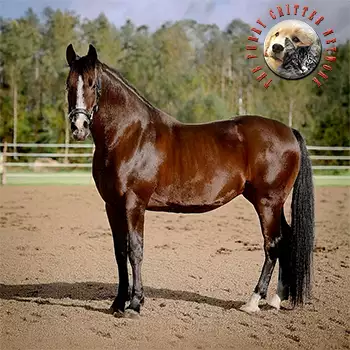

The Dutch Warmblood undergoes dramatic physical changes between weaning and full maturity, a period that spans roughly from six months to four or five years of age. During the first year, the foal will reach approximately sixty to sixty-five percent of its adult height, with growth occurring in characteristic spurts that can temporarily make the young horse appear uneven or awkward. The hindquarters often grow faster than the front end, giving many yearlings a distinctive uphill appearance that gradually levels out as the forehand catches up.
Bone development is a particularly important consideration for Dutch Warmbloods, given their size and the athletic demands they will face later in life. Growth plates, the cartilaginous zones at the ends of long bones where new bone is produced, remain open and vulnerable to damage throughout the juvenile period. The growth plates in the lower limbs close relatively early, often by twelve to eighteen months, while those in the spine and pelvis may not fully close until the horse is five or six years old. This timeline has critical implications for when and how much physical work is appropriate.
Regular body condition scoring helps owners maintain the optimal growth rate for a developing Dutch Warmblood. A young horse that is too heavy places excessive stress on developing joints and growth plates, increasing the risk of developmental orthopedic disease. Conversely, a youngster that is too thin may not have adequate nutritional resources to support proper bone and muscle development. The ideal is a moderate condition where ribs can be easily felt but not seen, and the topline shows smooth muscling without excessive fat deposits.
Conformation assessments at regular intervals allow owners and breeders to track how the young horse's body is developing relative to breed standards and athletic potential. A knowledgeable equine professional can evaluate leg alignment, hoof balance, and overall proportions, identifying any trends that might benefit from management adjustments. While some conformational traits are fixed by genetics, nutrition, hoof care, and appropriate exercise can all influence how a Dutch Warmblood's frame develops during these formative years.