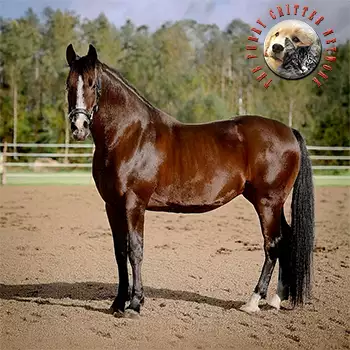

Recognizing the Signs

Knowing when a Dutch Warmblood is approaching the end of its life requires attentiveness to both dramatic and subtle changes in the horse's condition and behavior. Some end-of-life situations arise suddenly, as with a catastrophic injury or acute colic episode, but more often the decline is gradual and involves the progressive worsening of chronic conditions that eventually exceed the capacity of medical management. Recognizing this trajectory for what it is, rather than attributing each new decline to a temporary setback, is one of the most difficult but important responsibilities of horse ownership.

Physical signs that a Dutch Warmblood may be entering the final phase of life include persistent weight loss despite adequate nutrition, an inability to rise or lie down without assistance, chronic and unmanageable pain that is no longer adequately controlled by medication, recurrent episodes of colic or laminitis, and a general decline in vitality that does not respond to treatment. The horse may stand apart from herd mates, show little interest in food or grooming, or develop a withdrawn, dull expression that differs markedly from its normal demeanor.

Behavioral changes can be equally telling. A Dutch Warmblood that was once engaged and responsive may become listless, uninterested in activities it previously enjoyed, or indifferent to the presence of its owner. Conversely, some horses exhibit increased anxiety or restlessness as chronic pain worsens. Changes in how the horse interacts with its companions, a loss of social standing within the herd, or a tendency to isolate can all reflect a declining quality of life that the horse is experiencing even if the outward physical signs are not yet dramatic.

Consulting with your veterinarian about the significance of these changes is essential. A professional who has known your horse over time can provide an objective assessment of the horse's trajectory and help distinguish between conditions that can be managed and those that are progressing toward an endpoint. This conversation is not a failure—it is a responsible and caring step that honors your horse's well-being above your own desire to avoid difficult realities.

Palliative & Hospice Care

Palliative care for a Dutch Warmblood focuses on maximizing comfort and quality of life when curative treatment is no longer possible or appropriate. This approach does not mean giving up on the horse—it means shifting the goal from fighting the disease to ensuring that the horse's remaining time is as comfortable, dignified, and free from suffering as possible. Working closely with your veterinarian to develop a palliative care plan tailored to your horse's specific conditions ensures that pain management, nutritional support, and environmental modifications are all optimized.

Pain management is the cornerstone of equine palliative care. Your veterinarian may employ a combination of anti-inflammatory medications, analgesics, and supportive therapies to control discomfort. The goal is to find the level of intervention that keeps the horse comfortable enough to rest, eat, and move without distress. Regular reassessment of the pain management protocol is essential, as the horse's needs may change as conditions progress. Honest communication with your veterinarian about what you are observing at home helps guide these adjustments.

Environmental modifications during the hospice period can significantly improve the horse's daily experience. Deep, supportive bedding that cushions arthritic joints and makes lying down and rising easier, shelter from weather extremes, easy access to food and water without competition from other horses, and a calm, predictable routine all contribute to the horse's comfort. If the horse finds companionship comforting, ensuring that a trusted herd mate remains nearby provides emotional support that is meaningful to a social animal.

Setting clear boundaries for the hospice period is an act of compassion, not cruelty. Before beginning palliative care, discuss with your veterinarian the specific signs that would indicate the horse has moved beyond the point where comfort can be maintained. Establishing these parameters in advance prevents the insidious drift toward prolonged suffering that can occur when each day's decline seems only marginally worse than the last. The purpose of hospice care is to give the horse good days for as long as good days are genuinely possible.

The Decision

Deciding when to end a Dutch Warmblood's life is widely regarded as one of the most difficult decisions a horse owner will ever face. The weight of this responsibility is compounded by the deep bond that typically exists between owner and horse, a bond forged over years or even decades of partnership. Yet this decision, when made thoughtfully and guided by the horse's well-being rather than the owner's reluctance to let go, is among the most profound acts of kindness an owner can offer.

Veterinary guidance is invaluable in this decision but ultimately cannot replace the owner's intimate knowledge of their horse. Your veterinarian can provide an objective assessment of the horse's medical condition, prognosis, and the likely trajectory of its decline. They can tell you what is medically possible. But you are the person who knows your horse's spirit, who can recognize when the spark that defined your horse's personality has dimmed beyond recovery. The intersection of medical reality and personal knowledge of the horse is where the decision is best made.

Many owners find it helpful to establish quality-of-life criteria in advance, during a period of relative calm when emotional clarity is more accessible. Questions to consider include whether the horse can still rise and lie down without assistance, whether pain is adequately controlled most of the time, whether the horse still shows interest in food and its environment, and whether there are more good days than bad. When the balance tips consistently toward suffering, the kindest decision becomes clearer, even though it remains painful.

Guilt and second-guessing are nearly universal among owners who make this decision, regardless of the circumstances. It is important to recognize that choosing to end suffering is not the same as choosing to end a life prematurely. Waiting too long, hoping for improvement that the medical reality does not support, can cause the horse to experience prolonged distress that the owner later regrets. Trusting your veterinarian, trusting your knowledge of your horse, and prioritizing the horse's experience over your own grief are the foundations of a compassionate decision.

The Process

Understanding what happens during equine euthanasia helps reduce anxiety for owners and ensures that the process is as peaceful as possible for the horse. In most cases, the veterinarian will first administer a heavy sedative that causes the horse to become deeply relaxed and lose awareness of its surroundings. Once the horse is fully sedated, an overdose of a barbiturate is administered intravenously, which causes rapid and painless loss of consciousness followed by cardiac arrest. The entire process, from sedation to passing, typically takes only a few minutes.

Owners should be prepared for certain physical responses that occur after death and are entirely normal, though they can be distressing if unexpected. Involuntary muscle movements, gasping reflexes, and the release of bladder or bowel contents are reflexive actions that do not indicate consciousness or pain. The veterinarian will confirm that the heart has stopped and that the horse has passed. Having this knowledge in advance allows owners to focus on being present with their horse rather than being alarmed by these natural processes.

The location of euthanasia is a personal choice that should be discussed with your veterinarian in advance. Many owners prefer to have the procedure performed at the horse's home, in a familiar and comfortable environment. If this is the plan, practical considerations include ensuring that the veterinarian has adequate access, that the location chosen is suitable for the horse to go down safely, and that arrangements for body removal have been made in advance. Some situations may require that euthanasia take place at a veterinary hospital, particularly if emergency circumstances are involved.

Whether to be present during the procedure is an entirely personal decision, and there is no right or wrong answer. Some owners find great comfort in being with their horse at the end, speaking quietly and offering a familiar presence during the transition. Others prefer to say their goodbyes beforehand and step away during the procedure itself. Your veterinarian and barn staff will support whatever decision you make without judgment. What matters most is that the horse's final moments are peaceful, handled with expertise, and free from pain.

Aftercare Options

Planning for the care of your Dutch Warmblood's remains is a practical matter that is best addressed before the need arises, as the logistics can be challenging to manage in the immediate aftermath of loss. The options available vary by region and local regulations, and understanding what is possible in your area allows you to make a choice that aligns with your personal values and circumstances. Your veterinarian can often provide referrals to local services and help coordinate the logistics.

Burial on private property is permitted in some jurisdictions and offers the comfort of knowing the horse rests on familiar ground. However, regulations regarding depth of burial, proximity to water sources, and property size requirements vary significantly by location. Contacting your local health department or zoning office before the need arises ensures compliance and prevents complications during an already difficult time. The practical reality of burying a horse, given the size of the animal, typically requires heavy equipment and adequate land.

Cremation is available through equine-specific cremation services in many areas and offers the option of receiving the horse's ashes for scattering, burial in a memorial location, or keeping in an urn. Some services offer communal cremation at a lower cost, while individual cremation ensures that the returned ashes are exclusively those of your horse. Equine cremation is a specialized service due to the size of horses, and availability may be limited in some regions. Arranging this service in advance prevents the stress of making these decisions during acute grief.

Rendering and composting are additional options that, while less emotionally appealing to some owners, are environmentally responsible methods of body disposition. Commercial rendering services will collect the horse's remains, and some equine facilities offer on-site composting programs that return the horse's body to the earth in an ecologically sound manner. Whatever option you choose, making the arrangement in advance and communicating your wishes to barn managers, farm staff, or family members ensures that your preferences are honored smoothly when the time comes.

Grief & Healing

The grief that follows the loss of a Dutch Warmblood can be profound and should never be minimized, by yourself or by others. The bond between a horse and its owner is built over years of daily care, shared experiences, and mutual trust that creates a relationship unlike any other. The loss of this companion leaves a void that encompasses not only the emotional connection but also the daily routines, the barn visits, and the sense of purpose that caring for a horse provides. Acknowledging the depth of this loss is the first step in a healing process that unfolds on its own timeline.

The grieving process is highly individual, and there is no correct way to mourn the loss of a horse. Some owners experience acute grief that gradually softens over weeks and months. Others find that the loss hits them in waves, triggered by unexpected reminders such as the sight of an empty stall, the sound of a whinny from a pasture mate, or the muscle memory of reaching for a halter. Still others may feel a sense of relief, particularly if the horse's final period involved significant suffering, and this relief should not be a source of guilt. All of these responses are normal and valid.

Support from others who understand the significance of the human-horse bond can be enormously helpful during the grieving period. Fellow horse owners, barn friends, equine-focused grief support groups, and counselors who specialize in pet loss are all potential sources of understanding and comfort. People who do not share a connection with animals may not fully grasp the magnitude of the loss, and seeking out those who do can prevent the isolation that sometimes accompanies grief that feels unrecognized or dismissed by the broader community.

Honoring your Dutch Warmblood's memory in a way that feels meaningful to you can be an important part of the healing process. Some owners plant a tree or garden in the horse's memory, commission artwork or photography, donate to equine welfare organizations, or create a memorial space at the barn. Others find healing in eventually welcoming a new horse into their life, not as a replacement but as a continuation of the love and purpose that horses bring. There is no timeline for any of these decisions, and the right choice is the one that feels authentic to your relationship with the horse you have lost.

Always consult a qualified professional before making any health-related decisions. This content is provided for informational reference only and should not replace professional guidance specific to your animal.