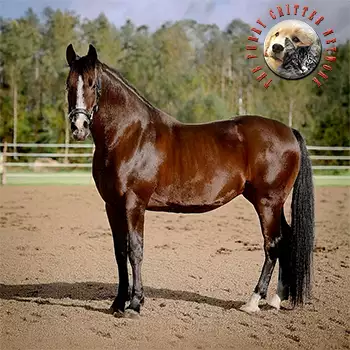

Determining whether a Dutch Warmblood is ready for breeding involves far more than confirming that the horse has reached sexual maturity. While mares may cycle as early as eighteen months and stallions may be fertile by two years of age, responsible breeding practices within the Dutch Warmblood registry emphasize physical maturity, proven performance or bloodline merit, and overall health as prerequisites. Mares are generally not bred before three years of age at the earliest, with many breeders preferring to wait until four or five so the mare's own skeletal development is complete before she takes on the physical demands of pregnancy.
A pre-breeding veterinary evaluation for the mare should include a thorough reproductive examination encompassing uterine culture and cytology, ultrasound evaluation of the reproductive tract, and assessment of overall health and body condition. Mares with a history of reproductive issues such as uterine infections, irregular cycling, or difficulty conceiving require additional investigation and may need treatment before breeding attempts begin. Body condition should be in the moderate range, approximately five to six on the nine-point scale, as both underweight and overweight mares have reduced fertility.
Stallion selection is a defining decision in Dutch Warmblood breeding and should be guided by a clear breeding goal that considers conformation, movement quality, temperament, jumping ability where relevant, and health history. The Koninklijk Warmbloed Paardenstamboek Nederland, the Dutch registry, maintains rigorous stallion approval standards that include performance testing, veterinary examinations, and progeny evaluation. Breeding to approved stallions not only increases the likelihood of producing a quality foal but also ensures that the offspring can be registered with the studbook.
Genetic testing and health screening have become increasingly important tools in Dutch Warmblood breeding programs. Screening for heritable conditions, evaluating genetic diversity, and considering the compatibility of bloodlines all contribute to producing healthier offspring with stronger prospects for athletic careers and long, sound lives. Consulting with breeding advisors affiliated with the registry or with experienced Dutch Warmblood breeders can provide valuable guidance for those new to the process.