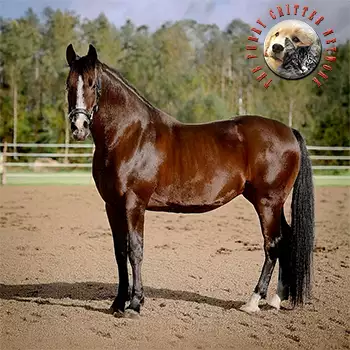

Peak Health Maintenance

The Dutch Warmblood reaches full physical maturity between five and seven years of age, entering a period that can extend well into the late teens where the horse is at its strongest, most capable, and most resilient. Maintaining peak health during these prime years requires a proactive approach that emphasizes prevention over reaction. Annual or semi-annual wellness examinations by an equine veterinarian form the backbone of a good health maintenance program, providing the opportunity to catch subtle changes before they develop into significant problems.

Vaccination schedules for adult Dutch Warmbloods should be tailored to the individual horse's risk factors, including geographic location, travel frequency, and exposure to other horses. Core vaccinations typically include protection against tetanus, Eastern and Western equine encephalomyelitis, West Nile virus, and rabies. Horses that travel to competitions or are exposed to transient populations may also need protection against influenza, rhinopneumonitis, and strangles. Your veterinarian will recommend a protocol that balances adequate protection with avoiding unnecessary vaccine burden.

Parasite management has evolved significantly in recent years, moving away from calendar-based rotational deworming toward targeted strategies guided by fecal egg counts. This approach identifies individual horses as low, moderate, or high shedders and treats accordingly, reducing both the chemical load on the horse and the development of drug-resistant parasite populations. Adult Dutch Warmbloods in good health are often low shedders who require only two to three targeted treatments per year, though this varies based on pasture management and geographic factors.

Regular farrier visits every six to eight weeks maintain the hoof health that underpins everything else the horse does. The Dutch Warmblood's size and athletic demands place significant stress on the hooves and lower limbs, making balanced, consistent hoof care essential. Whether the horse is barefoot or shod depends on its workload, hoof quality, and footing conditions. A skilled farrier working in collaboration with your veterinarian can address any emerging imbalances before they lead to lameness or joint stress.

Nutrition at Maturity

Feeding an adult Dutch Warmblood requires balancing energy intake with workload to maintain an ideal body condition score of approximately five on the standard nine-point scale. Unlike the growth-focused nutrition of the juvenile period, adult feeding programs prioritize sustained energy, muscle maintenance, and overall metabolic health. The foundation of the diet should be high-quality forage, typically provided at a rate of one and a half to two percent of body weight per day, supplemented with concentrates as needed based on the horse's activity level.

Dutch Warmbloods in moderate to heavy work, such as regular training and competition in dressage, jumping, or eventing, have increased caloric and protein requirements that forage alone may not meet. A performance feed formulated for sport horses provides concentrated energy along with balanced amino acids, vitamins, and minerals. The total concentrate ration should be divided into two or more meals per day to reduce the risk of digestive upset, and any changes to the feeding program should be introduced gradually over a period of seven to ten days.

Electrolyte supplementation becomes important for Dutch Warmbloods in active work, particularly during warm weather or after strenuous exercise. Horses lose significant amounts of sodium, chloride, potassium, and other electrolytes through sweat, and unlike humans, horses do not effectively self-regulate their electrolyte intake through salt licks alone. Providing a measured electrolyte supplement in feed or water after heavy exercise helps maintain hydration, muscle function, and recovery. Fresh, clean water should always be available, as even mild dehydration negatively affects performance and digestive health.

Obesity is an increasingly recognized concern in sport horses, including Dutch Warmbloods, particularly those in lighter work or during periods of rest. Excess body condition places additional strain on joints and tendons, increases the risk of metabolic conditions, and can impair athletic performance. Regular body condition scoring and weight monitoring help owners make timely adjustments to the feeding program, and working with an equine nutritionist ensures that any caloric restriction does not compromise essential nutrient intake.

Exercise & Fitness

The Dutch Warmblood's athletic versatility is one of the breed's greatest assets, and a well-designed fitness program during the adult years maximizes both performance and longevity. A balanced training regimen incorporates discipline-specific schooling, cross-training for overall fitness, and adequate recovery time. Even horses competing at advanced levels benefit from variety in their work schedule, including hacking, hill work, and cavaletti exercises alongside their primary discipline training.

Cardiovascular fitness in the adult Dutch Warmblood is built through progressive increases in the duration and intensity of aerobic work. Interval training, which alternates periods of higher-intensity effort with active recovery, is particularly effective for building stamina without overloading the musculoskeletal system. Monitoring heart rate recovery after exercise provides objective feedback about the horse's fitness level—a fit horse will return to resting heart rate more quickly than one that is under-conditioned for its current workload.

Core strength and suppleness are critical for the Dutch Warmblood's performance across all disciplines. Exercises that encourage the horse to lift through the back, engage the hindquarters, and work in a balanced frame develop the deep stabilizing muscles that protect the spine and joints during athletic effort. Pole work, transitions within and between gaits, lateral movements, and work on varied terrain all contribute to a strong, supple athlete. The breed's natural movement quality and willingness to engage make this type of gymnastic work particularly rewarding.

Rest and recovery are as important as the work itself. Adequate turnout time allows the horse to move freely, decompress mentally, and engage in natural behaviors that contribute to psychological well-being. Scheduling regular days off from structured work, incorporating lighter weeks into the training cycle, and recognizing when the horse needs additional recovery time all contribute to sustainable performance over the long term. Overtraining manifests not only as physical issues such as soreness and reduced performance but also as behavioral changes including irritability, resistance, and loss of enthusiasm for work.

Preventive Health Care

A robust preventive care program for the adult Dutch Warmblood extends well beyond vaccinations and deworming to encompass dental care, musculoskeletal monitoring, and metabolic screening. Dental examinations and floating should occur at least annually, as sharp enamel points, hooks, and waves can develop that interfere with comfortable bit contact, chewing efficiency, and overall digestive health. Horses that exhibit behavioral changes under saddle, drop feed while eating, or tilt their head while chewing may be experiencing dental discomfort that a routine examination would identify.

Musculoskeletal health monitoring is particularly important for Dutch Warmbloods in athletic careers. Regular assessment by a veterinarian experienced in sport horse medicine can identify early signs of joint inflammation, tendon strain, or back soreness before they progress to clinically significant lameness. Diagnostic tools including flexion tests, baseline radiographs of high-stress joints, and ultrasound evaluation of tendons provide objective data that guides training decisions and early intervention when needed.

Metabolic health screening becomes increasingly relevant as the adult Dutch Warmblood enters its middle years. Equine metabolic syndrome and insulin dysregulation can develop insidiously, particularly in horses that are easy keepers or carry excess body condition. Baseline blood work including insulin and glucose levels, along with monitoring for the early signs of these conditions, allows for dietary and management adjustments that prevent the progression to more serious complications such as laminitis.

Eye health, respiratory function, and skin condition round out the preventive care picture. Dutch Warmbloods can be prone to certain eye conditions that benefit from early detection, and respiratory health is essential for any horse expected to perform athletically. Regular grooming provides an opportunity to inspect the skin for signs of fungal infection, rain rot, insect hypersensitivity, or unusual lumps and bumps that merit veterinary attention. A thorough hands-on assessment each day, even on non-training days, keeps owners attuned to their horse's baseline condition.

Behavioral Maturity

The adult Dutch Warmblood that has been well-raised and thoughtfully trained typically settles into a reliable, willing temperament that makes it a pleasure to work with. Full behavioral maturity generally arrives between six and eight years of age, when the horse's personality is well-established and its responses to training and handling are consistent and predictable. This does not mean the horse stops learning—quite the opposite—but rather that its fundamental character traits are firmly in place and its reactions to new situations are measured rather than impulsive.

The working relationship between rider and adult Dutch Warmblood deepens significantly during the prime years as both partners develop mutual understanding and trust. These horses are known for their sensitivity to rider cues and their desire to cooperate, qualities that reward quiet, consistent riding and become more refined with experience. A horse that was somewhat reactive or unfocused as a young horse often matures into a steady, reliable partner that anticipates its rider's intentions and offers genuine partnership in the work.

Behavioral issues that arise in an otherwise well-adjusted adult Dutch Warmblood are often signals of physical discomfort, inadequate turnout, or training that has exceeded the horse's current capacity. A horse that suddenly becomes resistant, spooky, or irritable under saddle deserves a thorough physical evaluation before any behavioral intervention is attempted. Pain from dental issues, saddle fit problems, subtle lameness, gastric discomfort, or even poor rider balance can manifest as what appears to be a training or attitude problem but is actually the horse communicating its distress.

Mental stimulation remains important throughout the adult years. Dutch Warmbloods are intelligent horses that become bored and frustrated with monotonous routines. Incorporating variety into the training schedule—trail riding, liberty work, obstacle courses, ground driving, or simply exploring new environments—keeps the horse mentally engaged and enthusiastic about its work. A mentally fresh horse is a more willing and attentive partner, and the investment in keeping things interesting pays dividends in both the quality of training sessions and the horse's overall demeanor.

Dental & Hoof Care

Dental health in the adult Dutch Warmblood requires consistent professional attention to ensure comfort, optimal digestion, and cooperative ridden work. Horses' teeth erupt continuously throughout life and wear against each other during chewing, a process that can create sharp enamel points along the outer edges of the upper teeth and the inner edges of the lower teeth. These points can lacerate the cheeks and tongue, causing pain that the horse may express through head tossing, resistance to the bit, difficulty maintaining contact, or reluctance to eat. Annual dental examinations with floating, or rasping, of sharp edges prevent these problems from developing.

Beyond routine floating, the veterinary dentist should assess for more complex issues including fractured teeth, periodontal disease, diastema formation, and abnormal wear patterns. Older adult horses may develop wave mouth or step mouth, conditions where uneven wear creates an undulating or stepped grinding surface that progressively worsens chewing efficiency. Identifying and managing these conditions early, through more frequent floating intervals or targeted corrections, preserves the horse's ability to process forage effectively and maintains nutritional health.

Hoof care for the adult Dutch Warmblood is a partnership between owner, farrier, and veterinarian that requires consistency and communication. The six-to-eight-week farrier cycle should be maintained year-round, regardless of whether the horse is in work, as hoof growth does not pause for holidays. Between farrier visits, daily hoof picking and visual inspection allow the owner to identify thrush, bruising, cracks, or loose shoes before they become larger problems. The quality of the hoof is influenced by genetics, nutrition, and environment, and all three factors should be optimized.

The decision between barefoot management and shoeing depends on the individual horse's hoof quality, workload, and the surfaces it works on. Many Dutch Warmbloods in moderate work thrive barefoot when their hooves are strong and their footing is forgiving. Horses in heavier work, competing on varied surfaces, or with hoof quality challenges often benefit from shoeing that provides support and protection. Therapeutic shoeing options are available for horses with specific issues such as flat soles, underrun heels, or navicular changes. Whatever approach is chosen, the goal is a balanced, functional hoof that supports the horse's athletic career without compromising long-term soundness.

Always consult a qualified professional before making any health-related decisions. This content is provided for informational reference only and should not replace professional guidance specific to your animal.