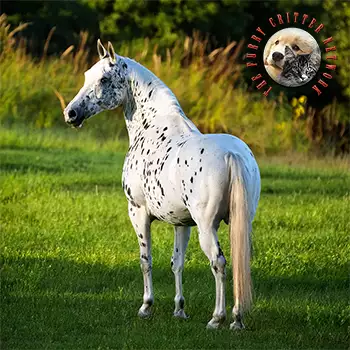

Peak Health Maintenance

The adult years, roughly from age five through the mid-to-late teens, represent the Appaloosa's physical prime. During this period the horse has reached full skeletal maturity, developed its adult musculature, and settled into its mature temperament. Maintaining peak health during these years requires a proactive approach that combines regular veterinary care, appropriate nutrition, consistent exercise, and attentive daily management.

A twice-yearly veterinary wellness examination is the cornerstone of adult health maintenance. These visits typically include a thorough physical examination, dental assessment, review of the vaccination and deworming program, and discussion of any emerging concerns. Many health issues that become significant problems later in life, such as early joint changes, weight management challenges, or dental abnormalities, are most effectively addressed when caught early during routine examinations.

Appaloosas are generally hardy horses with strong constitutions, but they do have some breed-specific health considerations that owners should monitor throughout adulthood. Equine Recurrent Uveitis, sometimes called moon blindness, occurs at a higher rate in Appaloosas than in many other breeds. Regular eye examinations and prompt attention to any signs of eye inflammation, tearing, squinting, or cloudiness can help preserve vision and manage the condition before it causes permanent damage.

Daily observation is one of the most valuable tools in maintaining the health of an adult Appaloosa. Owners who know their horse's normal behavior, appetite, movement, and vital signs are best positioned to recognize subtle changes that may indicate the onset of illness or discomfort. Establishing a routine of checking the horse over during feeding and turnout takes only minutes but can make the difference between early intervention and a missed diagnosis.

Nutrition at Maturity

An adult Appaloosa's nutritional needs are determined primarily by its workload, body condition, metabolic tendencies, and environmental factors. The foundation of the diet should always be high-quality forage, either pasture or hay, provided at a rate of approximately one and a half to two percent of the horse's body weight per day. Horses are designed to consume forage continuously, and ensuring adequate roughage intake supports digestive health, mental well-being, and dental wear.

Concentrate feeds should be matched to the horse's actual energy expenditure. A lightly worked trail horse has very different caloric needs than a horse in regular competition or heavy training. Many adult Appaloosas in light to moderate work maintain excellent condition on forage alone with the addition of a ration balancer to fill any vitamin and mineral gaps. Overfeeding concentrates to horses in light work is a common contributor to obesity, metabolic syndrome, and behavioral issues related to excess energy.

Some Appaloosas, particularly those with easy-keeping tendencies, may be prone to metabolic conditions such as insulin resistance or equine metabolic syndrome. These horses require careful management of sugar and starch intake, which may include limiting pasture access during periods of high grass sugar content, selecting low-sugar hays, and avoiding sweet feeds and treats high in simple carbohydrates. A veterinarian can perform metabolic testing to identify at-risk individuals before clinical signs develop.

Supplementation should be targeted rather than generalized. Rather than adding a broad-spectrum supplement without knowing what the horse actually needs, have the hay analyzed and work with a veterinarian or equine nutritionist to identify specific gaps. Joint supplements, omega fatty acids, and hoof-support formulations may benefit individual horses based on their specific needs and conditions, but they are most effective when used as part of a well-balanced overall program.

Exercise & Fitness

The adult Appaloosa is a versatile athlete capable of excelling in disciplines ranging from trail riding and endurance to reining, roping, and competitive trail. Maintaining fitness during the prime years involves a balanced program that builds and sustains cardiovascular endurance, muscular strength, flexibility, and mental sharpness. The specific demands of the horse's primary discipline should guide the training program, but variety remains important for both physical and psychological reasons.

A well-structured fitness program includes a proper warm-up and cool-down for every work session, gradually increasing intensity and duration as the horse's conditioning improves. Interval training, hill work, and varied terrain help develop different muscle groups and energy systems. Flat arena work alone, while useful for refining specific skills, does not provide the diverse physical challenges needed for overall fitness and long-term soundness.

Recovery and rest are integral components of any fitness program. Horses that are worked intensely every day without adequate recovery time are at increased risk for overuse injuries, mental burnout, and declining performance. Most adult horses benefit from a schedule that includes at least one or two rest days per week, with lighter work days interspersed between more demanding sessions. Turnout on rest days allows the horse to move freely and relax.

Regular assessment of the horse's fitness level and soundness helps ensure the training program remains appropriate. Monitoring resting heart rate recovery after exercise, observing gait quality and symmetry, and noting any changes in willingness or attitude provide ongoing feedback about the horse's physical condition. Persistent stiffness, reluctance to work, or changes in movement patterns should prompt a veterinary lameness evaluation before continuing the current workload.

Preventive Health Care

A comprehensive preventive health care program for the adult Appaloosa includes vaccinations, parasite management, dental care, and hoof maintenance on a regular schedule. Core vaccinations recommended for all horses typically include tetanus, Eastern and Western equine encephalomyelitis, West Nile virus, and rabies. Additional risk-based vaccines may be recommended depending on the horse's geographic location, travel schedule, and exposure to other horses. Vaccination schedules should be reviewed annually with the veterinarian.

Parasite management has evolved significantly from the days of rotating dewormers on a fixed schedule. Modern best practice involves performing fecal egg counts to determine each horse's individual parasite burden and deworming strategically based on the results. This targeted approach reduces unnecessary chemical exposure, slows the development of drug-resistant parasites, and is more effective at controlling the parasites that pose the greatest health risks, including large strongyles and tapeworms.

Dental care is essential for the adult horse and should include a thorough oral examination at least once a year, with floating as needed to correct sharp enamel points, hooks, ramps, and other dental irregularities that can cause pain, difficulty chewing, and weight loss. Dental problems can also manifest as training or behavioral issues, including head tossing, resistance to the bit, and difficulty bending or flexing. Addressing dental health proactively prevents these secondary problems.

Regular farrier visits on a four to eight week schedule maintain hoof balance, address any developing hoof issues, and support overall soundness. The Appaloosa's striped hooves are a distinctive breed characteristic, and their composition can vary. Some individuals may have hooves that are softer or more brittle than average, requiring additional attention to moisture management and hoof wall integrity. A skilled farrier familiar with the breed's tendencies is a valuable partner in maintaining soundness.

Behavioral Maturity

By the time an Appaloosa reaches full adulthood, its core temperament and behavioral patterns are well established. The breed's hallmark traits of intelligence, independence, and people-oriented willingness are typically fully expressed by this stage. A well-trained adult Appaloosa is generally a reliable, steady partner that approaches new challenges with curiosity rather than fear and responds to consistent handling with trust and cooperation.

Behavioral issues in the adult horse are rarely the result of the horse being inherently difficult and more commonly stem from pain, confusion, inconsistent handling, or an inadequate match between the horse's needs and its management or training program. A horse that has always been willing but suddenly becomes resistant, spooky, or aggressive should be evaluated for physical discomfort before addressing the behavior through training. Ulcers, back pain, poor saddle fit, dental problems, and vision issues are common physical causes of behavioral changes.

Continued mental stimulation is important for the intelligent Appaloosa. Horses that perform the same routine day after day without variety may become bored, dull, or develop evasive behaviors. Introducing new exercises, obstacles, trail routes, or even simple changes to the daily routine keeps the horse mentally engaged. Many Appaloosas thrive when given a job that challenges their problem-solving abilities, such as competitive trail, ranch work, or obstacle challenges.

The adult years are also the time when the horse-human partnership reaches its deepest level. Years of shared experience build a nuanced understanding between horse and rider that cannot be rushed or replicated. Investing time in the relationship, both in and out of the saddle, creates a bond that enhances every aspect of the horse's performance and well-being.

Hoof Care & Grooming

Consistent hoof care and grooming are essential elements of daily management for the adult Appaloosa. Hooves should be picked out and inspected at least once daily, checking for thrush, bruising, cracks, loose shoes, and foreign objects. The Appaloosa's characteristic striped hooves are visually distinctive but function the same as solid-colored hooves and require the same level of attention. However, some individuals within the breed do have hooves with softer or more porous horn, making them more susceptible to wet conditions and environmental damage.

Farrier appointments should be maintained on a consistent schedule, typically every five to eight weeks depending on the horse's growth rate, workload, and whether it is shod or barefoot. Many Appaloosas perform well barefoot with proper trimming, particularly those in light to moderate work on varied terrain. Horses in heavier work or those with conformational or hoof quality challenges may benefit from shoes, pads, or other protective options. The farrier and veterinarian should collaborate on any hoof-related issues.

Grooming serves purposes beyond cleanliness and appearance. Regular grooming sessions allow the owner to inspect the horse's entire body for cuts, swelling, heat, lumps, skin irritation, and changes in coat condition. The Appaloosa's distinctive coat patterns and often sparse mane and tail are breed characteristics that influence grooming considerations. Horses with less mane and tail hair have reduced natural fly protection and may benefit from fly sheets and masks during insect season.

Skin care deserves special attention in Appaloosas, particularly those with large areas of white or lightly pigmented skin. These areas are more susceptible to sunburn and photosensitivity. Providing shade, applying equine sunscreen to vulnerable areas, and using UV-protective fly sheets can prevent painful burns and reduce the risk of skin damage. Regular inspection of unpigmented skin for any unusual growths, sores, or changes supports early detection of potential problems.

Always consult a qualified professional before making any health-related decisions. This content is provided for informational reference only and should not replace professional guidance specific to your animal.