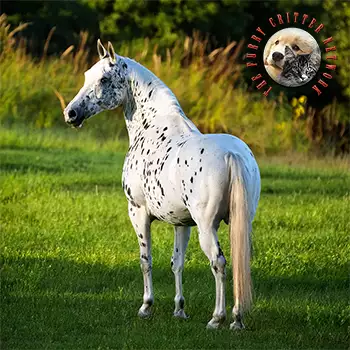

Breeding Readiness

Before committing to breeding an Appaloosa, a thorough assessment of both the mare and stallion's suitability is essential. Physical maturity is the first consideration. While mares can technically conceive as young as two years old, responsible breeders typically wait until the mare is at least four years old and fully skeletally mature before breeding. This allows the mare to complete her own growth before redirecting resources to supporting a pregnancy and producing milk.

A pre-breeding veterinary evaluation for the mare should include a reproductive examination with ultrasound to assess the health and function of her reproductive tract. The veterinarian will evaluate uterine condition, ovarian activity, and cervical health. Mares with a history of reproductive issues, endometritis, or cervical scarring may face reduced fertility that can be managed with veterinary support. Blood work, vaccination status, and overall body condition should all be reviewed and optimized before breeding.

The stallion's breeding soundness examination is equally important. A veterinarian specializing in equine reproduction can evaluate semen quality, morphology, and motility, as well as the stallion's physical health and libido. Even a stallion with an impressive pedigree and show record should be confirmed as reproductively sound before breeding commitments are made.

Genetic testing is particularly relevant in Appaloosa breeding. The leopard complex gene responsible for the breed's signature coat patterns is also linked to Congenital Stationary Night Blindness in horses that are homozygous for the gene. Understanding the genetic status of both the mare and stallion allows breeders to make informed decisions that minimize the risk of producing affected foals. The Appaloosa Horse Club provides registration requirements and guidelines that responsible breeders should review before planning a cross.

The Estrous Cycle

Understanding the mare's estrous cycle is fundamental to successful Appaloosa breeding. Mares are seasonally polyestrous, meaning they cycle regularly during the longer daylight months of spring and summer and typically enter a period of reproductive inactivity, called anestrus, during the short days of winter. The natural breeding season runs roughly from April through September in the Northern Hemisphere, with peak fertility occurring during the longer days of late spring and early summer.

The estrous cycle in the mare averages 21 days, with estrus, the period during which the mare is receptive to the stallion, lasting approximately five to seven days. Ovulation typically occurs 24 to 48 hours before the end of estrus. Accurate timing of breeding relative to ovulation is one of the most important factors in achieving conception, whether breeding is accomplished through live cover or artificial insemination.

Veterinary monitoring of the mare's cycle using transrectal ultrasound allows precise tracking of follicular development and prediction of ovulation. This monitoring is especially valuable when using cooled or frozen shipped semen, where the timing of insemination relative to ovulation is critical for success. Hormonal manipulation, including the use of ovulation-inducing agents, can help synchronize the mare's cycle with the breeding schedule when necessary.

Some mares exhibit irregular cycles, persistent estrus, or failure to cycle normally, which can indicate underlying health issues such as ovarian cysts, hormonal imbalances, or uterine infections. These conditions should be diagnosed and treated by a reproductive veterinarian before breeding is attempted. Attempting to breed a mare with unresolved reproductive issues wastes time, money, and often results in frustration for all involved.

Pregnancy & Gestation

The average gestation period for an Appaloosa mare is approximately 340 days, or roughly 11 months, though individual mares may foal anywhere from 320 to 370 days with normal outcomes. Early pregnancy detection via ultrasound is typically performed at 14 to 16 days post-ovulation, with a follow-up scan at 25 to 30 days to confirm a viable heartbeat and rule out twin pregnancies. Twin reduction, if twins are detected, is an important early intervention, as carrying twins to term carries serious health risks for both the mare and foals.

During the first two-thirds of gestation, the mare's management and nutritional needs change relatively little. She can typically continue her normal exercise routine and maintain her regular diet with the addition of appropriate prenatal vitamins and minerals. The fetus grows slowly during this period, and the mare's caloric needs do not increase substantially until the final trimester.

The last three to four months of pregnancy bring the most significant changes. The rapidly growing fetus places increasing demands on the mare's nutritional reserves, and her caloric and protein intake should be gradually increased to support fetal development and prepare for lactation. The mare's abdomen enlarges noticeably, and her exercise should be reduced to gentle walking and light turnout. She should be maintained in good body condition, neither too thin nor overly fat, as both extremes can complicate foaling.

Regular veterinary monitoring throughout pregnancy ensures that any complications, such as placentitis, abnormal fetal positioning, or hydrops, are detected and managed promptly. Vaccinations given to the mare during late gestation, typically four to six weeks before the expected foaling date, boost the antibody content of her colostrum and provide critical protection to the newborn foal. A rhinopneumonitis vaccination schedule during pregnancy is particularly important for preventing viral abortion.

Foaling Preparation

Preparation for foaling should begin well in advance of the expected due date. The foaling area, whether a large, clean stall or a safe, enclosed paddock, should be prepared with deep, clean bedding and checked for any hazards. The stall should be at least 12 by 14 feet to give the mare room to lie down and deliver comfortably. All supplies, including clean towels, iodine for navel treatment, a foaling kit, and the veterinarian's emergency contact information, should be assembled and easily accessible.

Monitoring the mare for signs of impending foaling helps owners prepare for the event. Udder development, waxing of the teats, relaxation of the muscles around the tailhead and vulva, and changes in the mare's behavior are all indicators that foaling is approaching. Some breeders use foaling alarm systems or milk calcium testing strips to predict the onset of labor more precisely. Despite all monitoring, many mares choose to foal in the quiet hours of the night when disturbance is minimal.

Most mares foal without complications, and the process from the onset of active labor to delivery typically takes 20 to 45 minutes. Owners should observe from a distance and allow the mare to progress naturally, intervening only if the delivery stalls or if the foal presents abnormally. Red bag delivery, where the placenta separates prematurely and appears as a red, velvety membrane at the vulva before the foal, is a genuine emergency requiring immediate intervention to open the membrane and assist delivery.

Having a plan for veterinary assistance is essential, even when complications are not expected. The veterinarian should be notified when the mare enters active labor and called immediately if labor does not progress normally, if the foal appears malpositioned, or if the mare shows signs of distress. Knowing the location and contact information for the nearest equine hospital capable of emergency obstetric surgery provides an additional safety net for the most serious complications.

Postpartum Care

Immediately after delivery, the mare and foal should be allowed to rest and bond with minimal intervention. The umbilical cord should be allowed to break naturally as the mare stands, and the stump should be treated with a veterinarian-recommended antiseptic solution. The placenta should pass within three hours of delivery. Retention of the placenta beyond this window is a serious medical situation in the horse and requires immediate veterinary attention, as it can lead to life-threatening metritis and laminitis.

The mare's postpartum recovery includes monitoring her appetite, attitude, vaginal discharge, and mammary function. A healthy mare should begin eating and drinking normally within a few hours of foaling and show attentive maternal behavior toward the foal. Any signs of depression, fever, excessive or foul-smelling discharge, or reluctance to let the foal nurse should prompt a veterinary evaluation. Uterine infections, retained placental fragments, and lactation problems can all develop in the early postpartum period.

Nutritional demands on the mare peak during the first three months of lactation. She may require one and a half to two times her normal caloric intake to produce adequate milk while maintaining her own body condition. High-quality forage and a concentrate formulated for lactating mares should be provided, along with unlimited access to clean water and free-choice salt. Monitoring the mare's body condition weekly during early lactation helps prevent excessive weight loss.

The mare's return to reproductive cycling, typically four to twelve days after foaling, is called foal heat. Some breeders choose to breed the mare on foal heat to maximize the number of foals produced over her lifetime, while others prefer to skip this cycle and breed on a subsequent heat. The decision should be made in consultation with a reproductive veterinarian who can assess the condition of the mare's uterus and her overall recovery from foaling. Breeding a mare whose uterus has not recovered adequately results in poor conception rates and increased risk of early embryonic loss.

Responsible Breeding Ethics

Responsible Appaloosa breeding begins with a clear-eyed assessment of purpose. Every breeding decision should be made with the goal of producing a foal that improves or at least maintains the quality of the breed and has a clear path to a productive, well-cared-for life. The equine rescue and rehoming industry is a constant reminder that not every foal born will find a permanent, loving home, and breeding without a plan for the foal's future is a disservice to the animal.

Conformation, temperament, health, and genetic soundness should be the primary criteria for selecting breeding stock. Coat color and pattern, while central to the Appaloosa breed's identity and appeal, should not be the sole or even primary motivation for a breeding decision. A foal with a spectacular blanket but poor conformation, unsound joints, or a difficult temperament represents a step backward for the breed regardless of its visual appeal.

Genetic testing for known hereditary conditions, including Congenital Stationary Night Blindness and other conditions prevalent in the breed's gene pool, is an ethical obligation for responsible breeders. Understanding the genetics behind the leopard complex, including the implications of breeding two homozygous individuals, allows breeders to make informed decisions that prioritize the well-being of the offspring. The Appaloosa Horse Club maintains breed standards and registration guidelines that support responsible breeding practices.

Financial preparedness is a practical aspect of breeding ethics that is often overlooked. The costs associated with breeding, including stallion fees, veterinary care throughout pregnancy, potential emergency complications during foaling, and the expense of raising a young horse for two to four years before it is ready for a career, are substantial. Breeders who are not prepared for unexpected veterinary expenses or the possibility of a foal that does not sell as planned put animals at risk. Responsible breeding means having the resources to provide excellent care for every foal produced, regardless of its market value or the breeder's initial plans.

Always consult a qualified professional before making any health-related decisions. This content is provided for informational reference only and should not replace professional guidance specific to your animal.