
The First 24 Hours

The first day of an Appaloosa foal's life is a critical window that sets the stage for long-term health and survival. A healthy foal should attempt to stand within the first hour after birth and begin nursing within the first two hours. Owners should observe from a respectful distance, intervening only if the foal is struggling to right itself or the mare is showing signs of rejection. The umbilical stump should be treated with a veterinarian-recommended antiseptic solution to prevent infection.

During this initial period, it is essential that the foal receives adequate colostrum from the mare. Colostrum is the first milk produced and contains vital antibodies that provide passive immunity, protecting the foal from infectious diseases during its earliest and most vulnerable weeks. If the mare fails to produce sufficient colostrum or the foal is unable to nurse, a veterinarian should be contacted immediately to arrange supplemental colostrum or plasma transfusion.

Watch for the passage of meconium, the foal's first stool, which should occur within the first few hours after birth. Failure to pass meconium can indicate an obstruction and requires prompt veterinary attention. The foal should also urinate within the first several hours. These early milestones provide important indicators that the digestive and urinary systems are functioning normally.

Appaloosa foals are often born with coat patterns that may change significantly as they mature. Some foals are born with a solid coat that later develops the breed's characteristic spotted blanket or leopard patterns, while others show dramatic markings from birth. This is entirely normal and part of the breed's unique genetic expression. Do not be alarmed if the foal's appearance shifts considerably over the first weeks and months.

Nursing & Nutrition

A newborn Appaloosa foal relies entirely on the mare's milk for nutrition during its first weeks of life. Foals nurse frequently, often every 30 minutes to an hour in the early days, gradually spacing feedings as they grow. Observing the foal's nursing behavior is one of the simplest ways to gauge its health. A foal that nurses vigorously and returns to the mare regularly is generally thriving, while one that appears lethargic or disinterested in nursing may need veterinary evaluation.

The mare's nutritional needs increase substantially during lactation. She should have access to high-quality forage and a balanced concentrate feed designed for lactating mares to ensure she produces sufficient milk with proper nutrient density. Adequate fresh water and free-choice salt or mineral supplementation support milk production and help the mare maintain her own body condition during this demanding period.

If the foal is orphaned or the mare is unable to nurse, a veterinarian can recommend an appropriate mare milk replacer. Bottle feeding or bucket feeding an orphaned foal requires a strict schedule and careful hygiene to prevent digestive upset or aspiration. Orphan foals also miss out on the behavioral guidance of a dam, so handlers should be mindful of establishing boundaries early to prevent the foal from developing pushy or overly familiar habits with humans.

As the foal approaches three to four weeks of age, it will begin to show curiosity about the mare's feed and hay. This early nibbling is a natural part of digestive development and helps establish healthy gut flora. Allow the foal to explore these feeds at its own pace without forcing the transition. Creep feeding, where a small amount of foal-appropriate concentrate is offered in an area the mare cannot access, can be introduced around this time under veterinary guidance.

Developmental Milestones

Appaloosa foals develop rapidly in their first weeks. Within the first day, a healthy foal should be standing, nursing, and showing awareness of its surroundings. By the end of the first week, the foal should be moving confidently alongside the mare, trotting and even breaking into short bursts of a canter during play. These early movements are essential for building muscle tone and strengthening the skeletal system.

Between two and four weeks, foals become increasingly curious and social. They begin to explore their environment more independently, investigate objects, and interact with other horses if available. This period marks the beginning of early learning, as the foal starts to pick up social cues from the mare and any herd mates. Play behavior, including running, bucking, and mock sparring, becomes more frequent and serves as both physical conditioning and social education.

By the end of the first month, the foal should be gaining weight steadily, and its legs, which appear disproportionately long at birth, begin to look more balanced relative to its body. The hooves will begin to show wear if the foal is on firm ground, and a farrier visit may be scheduled to assess hoof development and make any minor corrections. Early hoof care is important for long-term soundness.

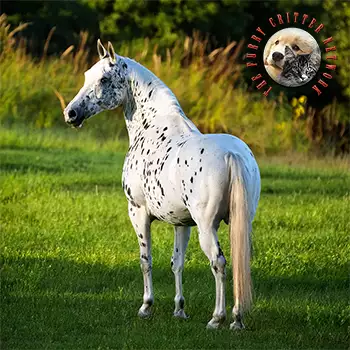
Coat changes are particularly notable in Appaloosas during the first several months. The foal coat will shed out and be replaced by a juvenile coat that may reveal new patterns, additional spots, or roaning. Mottled skin around the muzzle, eyes, and genitalia, as well as striped hooves and a visible white sclera, are hallmark Appaloosa characteristics that become more apparent as the foal matures.

Temperature & Environment

Newborn foals are vulnerable to temperature extremes and environmental hazards. Appaloosas, while generally hardy, require a clean, dry, and draft-free environment during their first weeks. If the foal is born during colder months, a well-bedded stall with deep straw provides insulation and warmth. Avoid using heat lamps unless they are securely mounted and positioned to eliminate any fire risk, as loose bedding and curious foals create a dangerous combination.

In warmer climates or seasons, ensure the foal has access to shade and that the stall or paddock has adequate ventilation. Overheating can be just as dangerous as chilling for a newborn. Flies and other insects can cause significant stress to young foals, so fly control measures such as fans, fly sheets sized for foals, and safe environmental treatments should be considered.

The foaling area should be free of sharp objects, loose wire, low-hanging fixtures, and any gaps or openings where a curious foal could become trapped. Fencing should be inspected for integrity, with particular attention to the lower rails or boards where a small foal might attempt to roll under or squeeze through. Safe turnout in a well-maintained paddock allows the foal to exercise and develop physically while the mare grazes.

Maintaining a hygienic environment is critical during the newborn period. Soiled bedding should be removed frequently, and the stall should be disinfected between uses if multiple mares are foaling in the same space. A clean environment reduces the risk of navel infections, joint ill, and respiratory issues that can affect foals in contaminated settings.

Early Socialization

Early socialization lays the groundwork for an Appaloosa foal's future temperament and trainability. The breed is known for its intelligence and willingness to work with people, and these traits are best developed when positive human interaction begins gently from birth. Handling the foal during the first few days, including touching its ears, legs, hooves, and muzzle, helps it accept human contact as a normal part of life.

Socialization with other horses is equally important. If possible, allow the foal to interact with calm, well-mannered herd members under supervision. The mare provides the primary model for social behavior, teaching the foal about personal space, herd hierarchy, and communication through body language. Foals raised in isolation from other horses can develop behavioral problems that are difficult to correct later.

Introduce the foal to a variety of sensory experiences gradually and without force. Exposure to different sounds, surfaces, objects, and environments during the first weeks and months builds confidence and reduces the likelihood of fearful reactions later in life. Simple exercises like leading the foal alongside the mare, picking up its feet, and standing quietly while being groomed create a foundation for future handling and training.

Avoid overwhelming the foal with too many new experiences at once. Short, positive sessions followed by rest and time with the mare are more effective than prolonged handling. The goal is to create a foal that views humans as trustworthy partners rather than sources of stress or confusion. Patience and consistency during this period pay dividends throughout the horse's lifetime.

Health Screening & Vet Visits

A veterinary examination within the first 24 hours of life is strongly recommended for all Appaloosa foals. This initial wellness check typically includes a physical assessment of the foal's heart, lungs, eyes, limbs, and umbilicus. The veterinarian will evaluate the foal's suck reflex, check for any congenital abnormalities, and assess overall vigor. An IgG blood test, usually performed between 12 and 24 hours after birth, measures the level of antibodies the foal absorbed from colostrum and determines whether passive transfer of immunity was successful.

If the IgG test reveals failure of passive transfer, the veterinarian may administer a plasma transfusion to boost the foal's immune defenses. This is a time-sensitive intervention, and early detection through routine screening can prevent serious illness. Foals with inadequate immunity are at significantly higher risk for sepsis, pneumonia, and other life-threatening infections.

Appaloosa owners should be aware of Congenital Stationary Night Blindness, a genetic condition linked to the leopard complex gene responsible for the breed's distinctive coat patterns. Affected foals have difficulty seeing in low-light conditions from birth. While not painful, the condition is permanent and can affect the horse's confidence and safety in dim environments. Genetic testing of breeding stock and observation of the foal's behavior in varying light conditions can help identify affected individuals early.

A deworming and vaccination schedule should be established in consultation with the veterinarian, taking into account regional disease risks and the mare's vaccination history. Initial deworming is typically performed around two weeks of age, with vaccinations beginning between four and six months depending on the protocol. Keeping accurate health records from birth ensures continuity of care as the foal grows.

When to Worry

Knowing the difference between normal newborn behavior and signs of trouble can be lifesaving for an Appaloosa foal. A foal that fails to stand within two hours, does not nurse within three to four hours, or appears weak, disoriented, or unresponsive requires immediate veterinary attention. Time is critical in the neonatal period, and delays in treatment can lead to rapid deterioration.

Watch for signs of neonatal maladjustment syndrome, sometimes referred to as dummy foal syndrome. Affected foals may appear normal initially but then become disoriented, lose their suck reflex, wander aimlessly, or fail to bond with the mare. This condition can result from oxygen deprivation during a difficult birth and requires veterinary intervention, though many affected foals recover well with prompt supportive care.

Diarrhea in a newborn foal can range from the mild, self-limiting foal heat diarrhea that occurs around the mare's first heat cycle after foaling to severe infectious diarrhea caused by bacteria, viruses, or parasites. Mild diarrhea with an otherwise bright, nursing foal is generally not an emergency, but watery, profuse, or foul-smelling diarrhea accompanied by lethargy, fever, or decreased nursing warrants a veterinary call.

Swelling, heat, or discharge from the umbilical stump may indicate a navel infection, which can progress to joint ill or septicemia if left untreated. Lameness, swollen joints, refusal to bear weight, labored breathing, or a distended abdomen are all red flags that require professional evaluation. When in doubt, contact your veterinarian. Early intervention is almost always less costly and more effective than treating advanced illness in a newborn foal.

Always consult a qualified professional before making any health-related decisions. This content is provided for informational reference only and should not replace professional guidance specific to your animal.