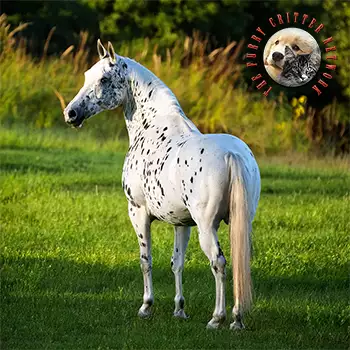

Recognizing when an Appaloosa is approaching the end of its life requires honest observation and a willingness to set aside the natural desire to believe that things will improve. The signs of terminal decline may develop gradually over months or appear more suddenly in the case of acute illness or catastrophic injury. Chronic weight loss that does not respond to dietary adjustments, persistent pain that is no longer adequately controlled by medication, and a loss of interest in food, companions, or the environment are among the most significant indicators.
Mobility is often a defining factor in equine quality of life. A horse that can no longer rise from a recumbent position without assistance, that stumbles or falls regularly, or that stands with a painful, rigid posture is experiencing a level of physical distress that fundamentally affects its daily existence. Horses are prey animals that rely on their ability to move for their sense of security, and the loss of that ability creates both physical suffering and psychological distress.
Changes in the horse's eyes and expression can be particularly telling. Owners who have known their Appaloosa for years often describe a loss of the bright, engaged look that characterized the horse in its healthier days. A dull, distant, or pained expression, combined with withdrawal from previously enjoyed activities and interactions, often reflects a deeper level of discomfort or decline than outward physical signs alone might suggest.
It is important to distinguish between manageable conditions that reduce quality of life somewhat and irreversible decline that results in ongoing suffering. A horse with controlled arthritis that moves stiffly but still grazes happily, interacts with companions, and comes to the gate when its owner arrives is in a very different situation than one that stands isolated, picks at its feed, and shows persistent signs of pain despite treatment. Your veterinarian can help you evaluate where your horse falls on this spectrum.