
Growth & Physical Development

The Appaloosa's juvenile period spans roughly from weaning at around four to six months through the young horse years up to approximately three to four years of age. During this time, the horse undergoes dramatic physical changes, growing from a gangly weanling into a powerful, well-proportioned young adult. Most Appaloosas reach their full height by around three years of age, though they continue to fill out and add muscle and bone density well into their fourth or fifth year.

Growth plates in the legs and spine close at different rates, and understanding this progression is critical for making sound decisions about the timing of training and riding. The growth plates in the lower legs close relatively early, while those in the spine and pelvis may not fully mature until age five or later. Introducing heavy work or riding too early can cause permanent damage to developing joints and bones. Regular veterinary assessments help track growth progress and identify any developmental orthopedic issues.

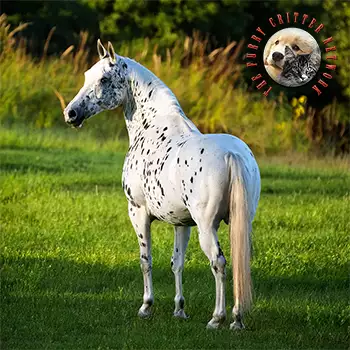
Appaloosa coat patterns continue to evolve significantly during the juvenile stage. Foals that were born solid may begin to express roaning, spots, or blanket patterns as their juvenile coat comes in. The characteristic mottled skin, striped hooves, and visible white sclera become more pronounced. Owners should document these changes with photographs, as they can be useful for registration updates and identification records.

Monitoring body condition throughout the growth period helps prevent both underfeeding and overfeeding, both of which can contribute to developmental problems. A young Appaloosa should appear lean but not ribby, with a smooth topline and adequate muscle coverage. Growth spurts may cause temporary awkwardness in proportions, with the hindquarters often appearing higher than the withers for periods of time, which is normal and resolves as the horse matures.

Nutrition & Diet Transition

Weaning marks the first major dietary transition for an Appaloosa foal. Whether weaning is done abruptly or gradually, the young horse must now rely entirely on hay, pasture, and concentrate feed for its nutritional needs. A high-quality forage base is the cornerstone of a growing horse's diet, supplemented with a feed formulated specifically for young, developing horses. These feeds are designed to provide the correct ratios of calcium, phosphorus, and trace minerals needed to support healthy bone growth.

Overfeeding concentrates to young growing horses is a common mistake that can lead to developmental orthopedic disease, including conditions such as osteochondritis dissecans and physitis. Growth should be steady and moderate rather than pushed for maximum size as quickly as possible. The goal is to support the horse's genetic potential without creating metabolic stress on the developing skeletal system. A veterinarian or equine nutritionist can help determine the appropriate caloric and mineral intake for the individual horse.

As the Appaloosa transitions from yearling to two- and three-year-old, its dietary needs shift. The protein requirements decrease somewhat from the levels needed during the rapid growth of the weanling and yearling phases, while energy needs may increase as the horse becomes more active and begins early groundwork or training. Adjusting the feed program to match the horse's age, workload, and body condition prevents both nutritional deficiencies and excess.

Access to clean, fresh water and free-choice salt is essential year-round. Pasture quality varies seasonally, and hay should be tested periodically to assess its nutritional content. Identifying any gaps in the forage allows for targeted supplementation rather than guesswork. Young Appaloosas that are growing well on quality forage may need surprisingly little concentrate feed, while those on marginal pasture or stemmy hay may require more substantial supplementation.

Behavioral Changes

The juvenile and adolescent period brings significant behavioral shifts as the young Appaloosa develops its personality and tests social boundaries. Weanlings often experience a period of anxiety and vocalization after separation from the mare, which typically resolves within a few days to a week, especially if the weanling has companions. Providing a calm, older horse as a companion during weaning can ease the transition considerably.

As yearlings and two-year-olds, Appaloosas become increasingly bold, curious, and sometimes pushy. Colts in particular may begin to exhibit stallion-like behaviors including mounting, nipping, and challenging handlers. Fillies may show mood swings related to their developing reproductive cycles. Consistent, firm, and fair handling during this stage is essential for establishing mutual respect and preventing the development of dangerous habits.

Appaloosas are known for their intelligence and independent thinking, traits that become especially evident during adolescence. A young Appaloosa may test boundaries, anticipate routines, and attempt to find shortcuts or workarounds during handling and training sessions. This intelligence is an asset when channeled properly but can become a liability if the horse learns that pushy or evasive behavior is effective. Clear communication and consistent expectations help the young horse understand its role.

Social development continues to be important throughout this stage. Young horses housed with compatible herd mates learn vital communication skills, conflict resolution, and spatial awareness that translate directly into better behavior under saddle and in hand. Isolation during the formative years can lead to anxiety, herd-bound behavior, or difficulty interacting safely with other horses later in life.

Training Priorities

Training during the juvenile stage focuses on building a solid foundation of ground manners, respect, and basic skills that will carry the Appaloosa into its future career. From the weanling stage forward, the young horse should learn to lead quietly, stand for grooming and hoof care, load into a trailer, and accept routine handling of its entire body. These fundamentals may seem simple, but they form the bedrock of all future training.

Groundwork becomes increasingly important as the horse enters its yearling and two-year-old years. Lunging, long-lining, and liberty work introduce the concepts of forward movement, stopping, turning, and responding to voice commands and body language without the added stress of carrying a rider. These exercises also provide an opportunity to assess the horse's natural movement, attitude, and aptitude for different disciplines.

The decision of when to introduce saddle work depends on the individual horse's physical maturity, not simply its age. Many Appaloosa trainers begin light saddle work at age two with very short, low-intensity sessions, gradually building duration and complexity as the horse's body matures. Others prefer to wait until age three or later. Regardless of timing, early riding should emphasize relaxation, balance, and positive experiences rather than performance or collection. A horse that is started too aggressively or too early may develop physical soundness issues or mental resistance that undermines its long-term potential.

Appaloosas excel in a wide range of disciplines, and the juvenile years are a good time to expose the horse to different types of work to discover where its talents and interests lie. Trail riding, basic arena work, ground poles, and exposure to obstacles all provide variety and mental stimulation that keep the young horse engaged and willing.

Exercise & Activity

Young Appaloosas benefit enormously from ample turnout and the freedom to move naturally. Pasture time allows the developing horse to build bone density, strengthen tendons and ligaments, and develop proprioception and coordination through natural play and movement. Horses that spend the majority of their time in stalls during the growth period are more likely to develop stereotypic behaviors and may have weaker musculoskeletal systems than those raised with generous turnout.

Structured exercise should be age-appropriate and carefully managed. Weanlings and yearlings get most of their physical development needs met through pasture turnout and brief handling sessions. Two-year-olds can begin more directed groundwork, and light riding can be introduced on a limited basis if the horse is physically ready. Long-distance riding, repetitive arena work, and jumping should be avoided until the horse is skeletally mature, as these activities place significant stress on developing joints and growth plates.

Variety in exercise helps keep the young Appaloosa mentally fresh and physically balanced. Alternating between arena work, trail walks, ground driving, and free lunging prevents boredom and overuse injuries. Exposure to different footing, terrain, and environments builds confidence and versatility. A young horse that has traveled over varied ground is typically more surefooted and adaptable than one that has only worked in a groomed arena.

Rest and recovery are as important as activity for a growing horse. Young horses that are worked daily without adequate rest days may develop fatigue, soreness, or sour attitudes. A balanced program that includes several days of turnout-only time each week supports both physical recovery and mental well-being.

Gelding Considerations

The decision of whether and when to geld a colt is one of the most significant management choices during the juvenile period. Most Appaloosa colts that are not intended for breeding are gelded, as stallion management requires specialized facilities, experienced handling, and carries inherent risks. Gelding simplifies management, improves social compatibility with other horses, and often results in a more focused and trainable horse.

Timing of gelding varies by veterinary recommendation and individual circumstances. Some veterinarians prefer to geld colts as young as six months to a year, before stallion behaviors become established. Others recommend waiting until the colt is closer to two years old to allow additional testosterone-driven development that can contribute to muscling and skeletal growth. Both approaches have merits, and the decision should be made in consultation with a veterinarian who can assess the individual colt's development and temperament.

The gelding procedure is routine and is typically performed under sedation in the field or under general anesthesia in a clinic setting. Recovery is generally straightforward, with most young horses returning to normal activity within a few days to a week. Post-operative care includes monitoring for swelling, infection, and ensuring adequate drainage. Light exercise in the days following the procedure helps reduce swelling and promotes healing.

Fillies intended for non-breeding purposes do not require surgical intervention in most cases, though spaying is occasionally performed for medical reasons. Fillies with particularly disruptive heat cycles that interfere with training or quality of life can be managed through veterinary consultation, which may include hormonal therapies or other approaches tailored to the individual horse.

Socialization & Exposure

Continued socialization during the juvenile years builds on the foundation established in the foal's first weeks and months. Young Appaloosas should be regularly exposed to new environments, objects, sounds, and situations in a controlled, positive manner. Trailer loading and short trips, visits to new properties, exposure to livestock, dogs, bicycles, and farm equipment all contribute to a well-rounded, confident horse.

Group turnout with compatible horses of varying ages provides ongoing social education. Young horses learn to read body language, navigate hierarchies, and manage conflict through daily herd interactions. A yearling or two-year-old that has only known life with its dam and has not had the opportunity to interact with a variety of horses may struggle with social skills later, becoming either overly submissive or inappropriately aggressive in group settings.

Exposure to routine care procedures should be a regular part of the young horse's experience. Standing quietly for the farrier, accepting veterinary examinations, tolerating clipping, and remaining calm during bathing are all skills that require practice. Making these experiences as low-stress and positive as possible, with patience and appropriate rewards, prevents the development of fear-based resistance that can escalate into dangerous behavior as the horse grows larger and stronger.

Appaloosas are naturally people-oriented horses, and nurturing this trait during the juvenile years creates a willing, trusting partner. Time spent simply being around the horse, grooming, hand-walking, and sharing quiet moments in the pasture, strengthens the human-horse bond. This relationship becomes the foundation for all future training and collaboration, making the investment of time during the formative years one of the most valuable contributions an owner can make.

Always consult a qualified professional before making any health-related decisions. This content is provided for informational reference only and should not replace professional guidance specific to your animal.