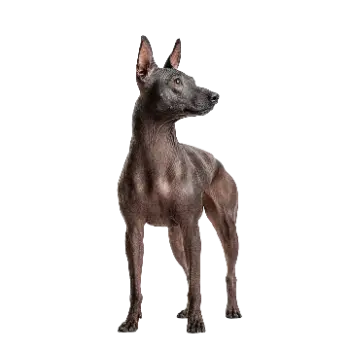

When Does Senior Begin?

The Xoloitzcuintli is a notably long-lived breed, and the onset of the senior years varies depending on the size variety. Toy and miniature Xoloitzcuintli may not show signs of aging until they are ten to twelve years old, while standard-sized Xolos may begin their senior transition around eight to ten years of age. These are general guidelines, and individual dogs may age faster or slower depending on genetics, overall health, and the quality of care they have received throughout their lives.

The transition from adulthood to the senior years is usually gradual rather than sudden. You may notice your Xoloitzcuintli sleeping more during the day, taking a little longer to rise from a resting position, or showing slightly less enthusiasm for vigorous play. These subtle shifts are normal indicators that the body is beginning to slow down, and they signal that adjustments to care routines may be needed in the coming months.

A veterinary assessment can help establish where your dog falls on the aging spectrum. Senior blood panels, urinalysis, and physical examinations provide a baseline against which future changes can be measured. Many veterinarians recommend transitioning from annual to semi-annual wellness visits once a dog enters its senior years, as health changes can develop more rapidly at this stage of life.

Recognizing the onset of the senior years is not a cause for alarm but rather an invitation to shift your caregiving approach. The Xoloitzcuintli's calm and adaptable nature makes them well-suited to the gentler pace that often accompanies aging, and many owners find that the senior years deepen the bond between dog and family as routines become quieter and more intimate.

Mobility & Joint Health

Joint stiffness and reduced mobility are among the most common changes in aging Xoloitzcuintli, particularly in the standard-sized variety. Arthritis can develop in any dog as cartilage wears down over time, and the signs may include reluctance to climb stairs, difficulty jumping onto furniture, a stiff gait after resting, or a noticeable decrease in activity level. Early recognition allows for interventions that can significantly improve comfort and slow the progression of joint deterioration.

Your veterinarian may recommend joint-supporting supplements such as glucosamine and chondroitin, omega-3 fatty acids, or other nutraceuticals that support cartilage health and reduce inflammation. In some cases, prescription anti-inflammatory medications may be appropriate to manage pain. Never administer human pain medications to your dog without veterinary guidance, as many are toxic to canines.

Environmental modifications can make a meaningful difference in a senior Xoloitzcuintli's daily comfort. Ramps or pet stairs for accessing furniture and vehicles, orthopedic bedding that cushions aging joints, and nonslip rugs on smooth flooring all reduce the physical demands placed on a stiffening body. Keeping the dog at a healthy weight is one of the single most effective measures for reducing joint stress.

Gentle, consistent exercise remains important for senior dogs. Short, leisurely walks help maintain muscle tone, joint flexibility, and cardiovascular health without overtaxing the body. Swimming or hydrotherapy can be excellent low-impact exercise options for dogs with significant joint issues. Allow your Xoloitzcuintli to set the pace during walks and watch for signs of discomfort such as lagging behind, limping, or reluctance to continue.

Cognitive Changes

Cognitive decline, sometimes referred to as canine cognitive dysfunction, can affect Xoloitzcuintli as they age. Symptoms may include disorientation in familiar environments, changes in sleep-wake cycles, loss of previously learned house-training habits, decreased interaction with family members, and episodes of staring blankly or appearing confused. These changes develop gradually and can be easy to miss in their earliest stages.

If you notice cognitive changes in your senior Xoloitzcuintli, consult your veterinarian. Several medical conditions, including thyroid imbalances, pain, vision loss, and hearing decline, can mimic cognitive dysfunction and should be ruled out before attributing behavioral changes to cognitive decline alone. Your veterinarian may recommend specific diagnostic tests to evaluate neurological and metabolic function.

Mental stimulation can help slow cognitive decline and maintain brain function in aging dogs. Continue to engage your senior Xoloitzcuintli with gentle training sessions, puzzle toys, and novel sensory experiences. Even simple activities like rotating toys, introducing new scents, or varying walking routes provide valuable cognitive input that keeps the brain active.

Maintaining a predictable daily routine becomes especially important for dogs experiencing cognitive changes. Consistent meal times, regular bathroom breaks, and familiar surroundings help reduce confusion and anxiety. If your Xoloitzcuintli becomes disoriented at night, a nightlight in their sleeping area can provide reassurance. Patience and compassion are essential as you help your senior companion navigate these changes with dignity and comfort.

Nutrition for Aging

Nutritional needs shift as the Xoloitzcuintli enters its senior years. Metabolism slows with age, meaning caloric requirements decrease even as the need for high-quality protein remains stable or increases to support aging muscles. A senior-formulated diet that provides concentrated nutrition in moderate caloric density helps prevent weight gain while ensuring the body receives the nutrients it needs.

Protein quality becomes particularly important in the senior diet. High-quality, easily digestible animal proteins support muscle maintenance and immune function without placing undue burden on aging kidneys. Unless your veterinarian has specifically identified kidney issues that require protein restriction, there is no reason to reduce protein intake in a healthy senior dog. In fact, inadequate protein can accelerate muscle loss and weaken the immune system.

Hydration is a concern that often goes overlooked in senior dogs. Older Xoloitzcuintli may drink less water than they did in their younger years, which can contribute to kidney stress and constipation. Encourage water intake by keeping multiple fresh water stations around the house, and consider adding moisture to meals through wet food, broth, or warm water mixed into kibble.

Supplements may play a supportive role in the senior diet. Joint supplements, omega fatty acids for skin and cognitive health, and probiotics for digestive function are commonly recommended additions. Discuss any supplementation with your veterinarian to ensure compatibility with your dog's existing diet and any medications they may be taking. The goal is a nutritional plan that supports comfort, vitality, and the overall quality of life during the golden years.

Increased Veterinary Care

Semi-annual veterinary visits become the standard of care for senior Xoloitzcuintli. These more frequent check-ups allow your veterinarian to monitor age-related changes closely and catch developing conditions in their earliest stages. Comprehensive senior wellness exams typically include blood chemistry panels, complete blood counts, urinalysis, thyroid function tests, and blood pressure measurements.

Dental health remains a priority in the senior years and may require more frequent professional attention. The Xoloitzcuintli's already-compromised dentition, particularly in hairless individuals, can become more fragile with age. Loose teeth, gum disease, and oral infections can cause significant pain and affect the dog's ability to eat comfortably. Regular dental evaluations and prompt treatment of any issues help maintain oral comfort and overall health.

Skin monitoring takes on added importance as the hairless Xoloitzcuintli ages. Senior skin becomes thinner and more vulnerable to injury, sun damage, and growths. Your veterinarian should examine any new lumps, bumps, or discolorations that appear, as distinguishing between benign age-related changes and potentially concerning growths requires professional evaluation. Documenting the location and size of skin changes between visits helps track their progression.

Discuss pain management openly with your veterinarian. Senior dogs often experience chronic low-level discomfort that they do not express overtly due to their stoic nature. The Xoloitzcuintli, in particular, tends to internalize discomfort rather than vocalize it. Subtle signs such as reduced appetite, reluctance to be touched in certain areas, changes in posture, or decreased willingness to engage in previously enjoyed activities may indicate pain that warrants treatment.

Quality of Life Assessment

Regularly assessing your senior Xoloitzcuintli's quality of life helps ensure that their days remain comfortable and meaningful. Quality of life encompasses more than the absence of illness; it includes the dog's ability to enjoy daily activities, maintain social connections, eat with pleasure, move without excessive pain, and engage with its environment in a way that reflects contentment.

Several structured quality of life assessment tools are available that evaluate factors such as pain level, appetite, hydration, hygiene, happiness, mobility, and the ratio of good days to bad days. Using one of these frameworks at regular intervals provides an objective measure of how your dog is doing over time and can help guide care decisions as conditions evolve.

Adapting your home and routines to accommodate your senior Xoloitzcuintli's changing abilities is an act of love that can significantly extend the period of comfortable, high-quality living. Simple changes like moving food and water bowls to easily accessible locations, providing orthopedic bedding in multiple rooms, keeping the house at a comfortable temperature for a hairless dog, and reducing the need for stair climbing all contribute to daily comfort.

Open communication with your veterinarian about your dog's quality of life is invaluable. Your veterinarian can provide perspective on what is medically possible and help you understand the trajectory of any conditions your dog is facing. Together, you can make informed decisions that prioritize your Xoloitzcuintli's comfort and dignity. The goal throughout the senior years is to ensure that every day brings more moments of contentment than discomfort, honoring the deep bond you share with your companion.

Always consult a qualified professional before making any health-related decisions. This content is provided for informational reference only and should not replace professional guidance specific to your animal.